
 14 Apr 2026








Trilateral Talks in Abu Dhabi: A Diplomatic Chance to End the War in Ukraine
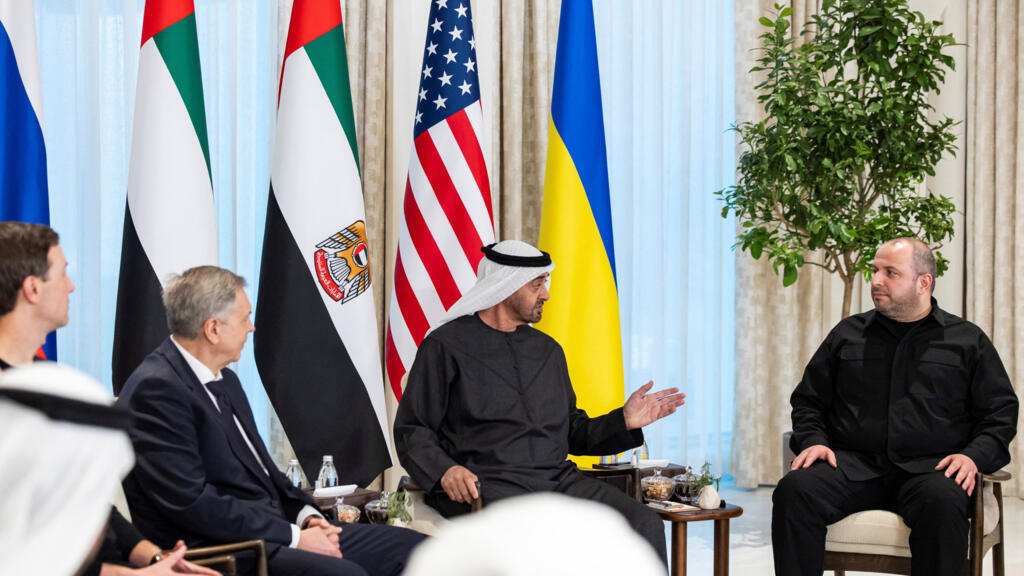
Today in Abu Dhabi, the first trilateral peace talks between Russia, Ukraine, and the United States in nearly four years of war have begun, already being described as the most significant diplomatic effort to resolve the conflict since 2022. The two-day meeting brings together official representatives of all sides — from diplomats to military experts — and could shape the future course of the war and the prospects for peace.
The groundwork for the talks was laid earlier in Moscow. Vladimir Putin held a closed three-hour meeting with U.S. intermediaries — special envoy Steve Witkoff and adviser Jared Kushner — to discuss the broader international agenda, including Ukraine. Following the meeting, the format for dialogue with Kyiv and Washington in the UAE was announced. Russian officials characterized the discussions as frank and constructive, though no final documents were made public.
The core focus of the negotiations is the future of Donbas and unresolved territorial issues, which remain the main obstacle to peace. Moscow insists that ending the war is impossible without concessions from Kyiv, including the withdrawal of Ukrainian forces from large parts of the Donetsk region — a demand Ukraine firmly rejects, emphasizing that any changes to its borders must be a sovereign decision.
Ukrainian President Volodymyr Zelenskyy acknowledged the importance of the trilateral format in an evening address, noting that delegations are discussing the parameters for ending the war and that such meetings have not taken place for a long time. At the same time, he cautioned that it is too early to draw conclusions, as the talks have only just begun.

The essence of the current round of negotiations is an attempt to define a space for compromise that would address Ukraine’s security concerns while also taking into account Russia’s territorial and strategic interests, with the United States acting as a mediator and potential guarantor. This effort is driven not only by diplomatic pressure but also by the ongoing military situation, continued attacks, and growing socio-economic strain on both sides of the conflict, all of which make reaching an agreement more difficult.
Analysts note that the success of the talks will depend on the willingness of the parties to make concessions — particularly on how far the United States is prepared to pressure Kyiv on potential compromises over Donbas, and whether Moscow is willing to accept proposals that preserve Ukrainian sovereignty over disputed territories. Some experts argue that without such concessions, a breakthrough will be extremely difficult. Nevertheless, the very fact that a trilateral meeting is taking place is already seen as a step forward compared to years of diplomatic stagnation. Thus, the talks in Abu Dhabi represent a rare diplomatic opportunity to end the conflict, though there is still no certainty that the deep disagreements — especially over key territorial issues — can be overcome.


 Latest news
Latest news
Latest newsCeasefire Without Effect: Traffic Through the Strait of Hormuz Remains Paralyzed
10.Apr.2026
Repairs to the Druzhba Oil Pipeline Near Completion: Kyiv Seeks to Ease Tensions within the EU
10.Apr.2026
Armenia’s 2026 Elections: System Stability Amid Low Trust and Fragmented Competition
08.Apr.2026
Escalation Around Iran: The U.S. Increases Pressure
07.Apr.2026
Tbilisi Brings the Region Closer: The South Caucasus Strengthens Coordination
07.Apr.2026
Ukraine Develops a “Low-Cost Shield”: New Air Defense System Could Change the Rules of Warfare by 2027
06.Apr.2026
Yale report: Russian companies may have been involved in the deportation of Ukrainian children
05.Apr.2026
Ukraine says Russian offensive thwarted as frontline situation improves
04.Apr.2026
Turkiye Conducts Large-Scale Military Drills
03.Apr.2026
Russia Bets on a “Drone Elite”: Students Lured into the Military with Lucrative Incentives
02.Apr.2026