
 24 Jun 2026









Armenia Determines the Type of Its New Nuclear Power Plant: Focus on Modular Reactors
The
Armenian authorities have made a principled decision regarding the format of
the country’s future nuclear power plant: the new facility will be modular in
nature. However, the specific reactor model and the partner country for its
construction have not yet been determined. This was stated by Armenia’s
Minister of Territorial Administration and Infrastructure, Davit Khudatyan, who
emphasized that the final decision will be made after a comprehensive review of
international proposals and consultations with relevant expert bodies.
According to the minister, the plan involves so-called
small modular reactors, which are considered more flexible in terms of
construction, operation, and scalability compared to traditional large nuclear
power units. The Armenian side does not intend to rush the choice of
technology, as such reactors have not yet seen widespread industrial deployment
and require additional expert assessment in terms of safety and economic
viability.
According to economic and industry sources, Armenia is
reviewing proposals from several countries, including Russia, the United
States, France, South Korea, and China. After selecting a reactor model, the
government plans to proceed with negotiations on the project’s financing
structure and the format of foreign participation, including possible
public–private partnership mechanisms.
The decision to build a new nuclear power plant is directly
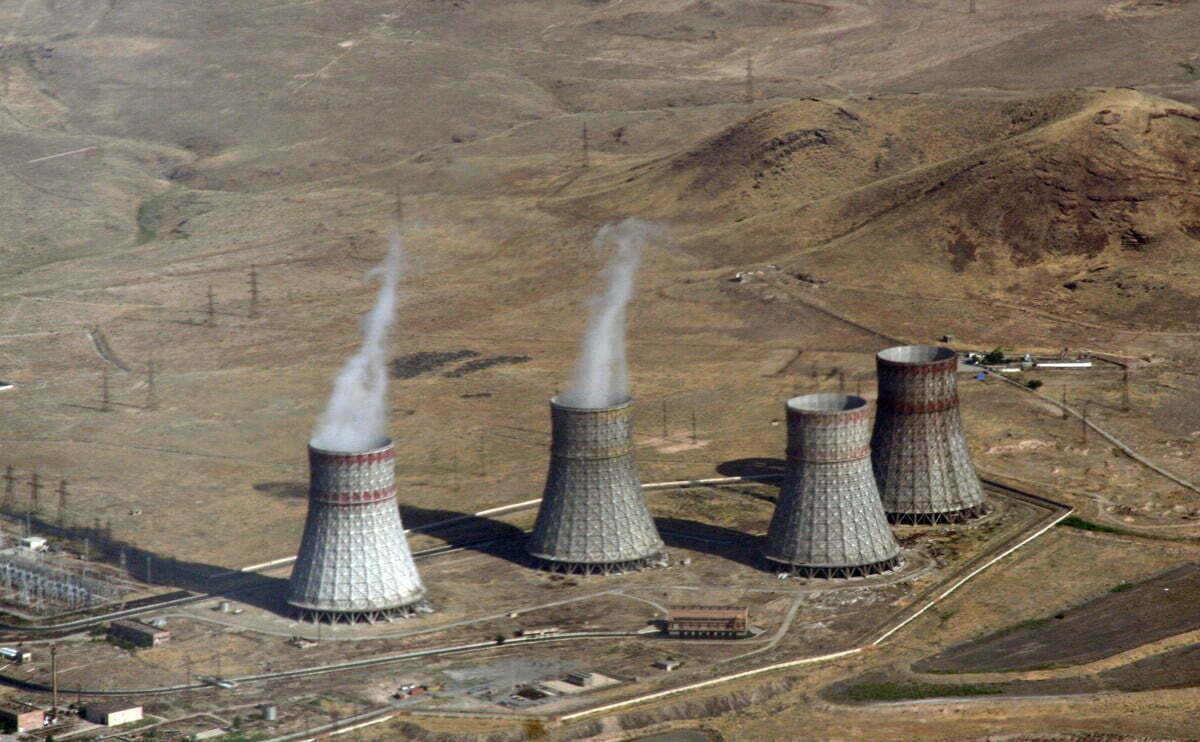
linked to the future of the existing Metsamor Nuclear Power Plant, which
remains a key element of Armenia’s energy system. Its operation has previously
been extended, while parallel technical modernization works are underway to
ensure a stable energy supply until the new facility comes online. The
authorities stress that without nuclear generation, Armenia would find it
difficult to maintain energy independence and competitive electricity tariffs
in the long term.
Thus, Yerevan has moved from discussion to shaping a clear concept for the future of its nuclear energy sector, placing its bet on modular technologies while retaining room for maneuver in choosing a specific solution and an international partner.


 Latest news
Latest news
Latest newsUkraine’s Battlefield Experience Opens New Opportunities in Asia’s Drone Market
19.Jun.2026
Azerbaijan’s Oil Trap: Why the Economy Is Standing Still
18.Jun.2026
Motorcycle Noise Seen as Obstacle to Air Defense Operations in Crimea
17.Jun.2026
Rising Wages and Euro Integration: Bulgaria Enters a New Economic Era
17.Jun.2026
Armenia After June 7: Pashinyan Remains in Power, Moscow Unhappy
17.Jun.2026
$300 Billion Deal: Iran Poised to Receive the Largest Investment Package in Modern Middle Eastern History
16.Jun.2026
Infrastructure Pressure: Putin Acknowledges the Economic Impact of Ukrainian Attacks
15.Jun.2026
Kyiv and Moscow Trade Blame After Damage Reported at Kyiv Pechersk Lavra
15.Jun.2026
IMF Raises Georgia’s Economic Growth Forecast to 6.5% for 2026
15.Jun.2026
EU Opens the Door to Ukraine and Moldova as First Membership Talks Begin
14.Jun.2026