
 24 Jun 2026









Turkiye Signals Possible Entry into Nuclear Arms Race Amid Regional Tensions
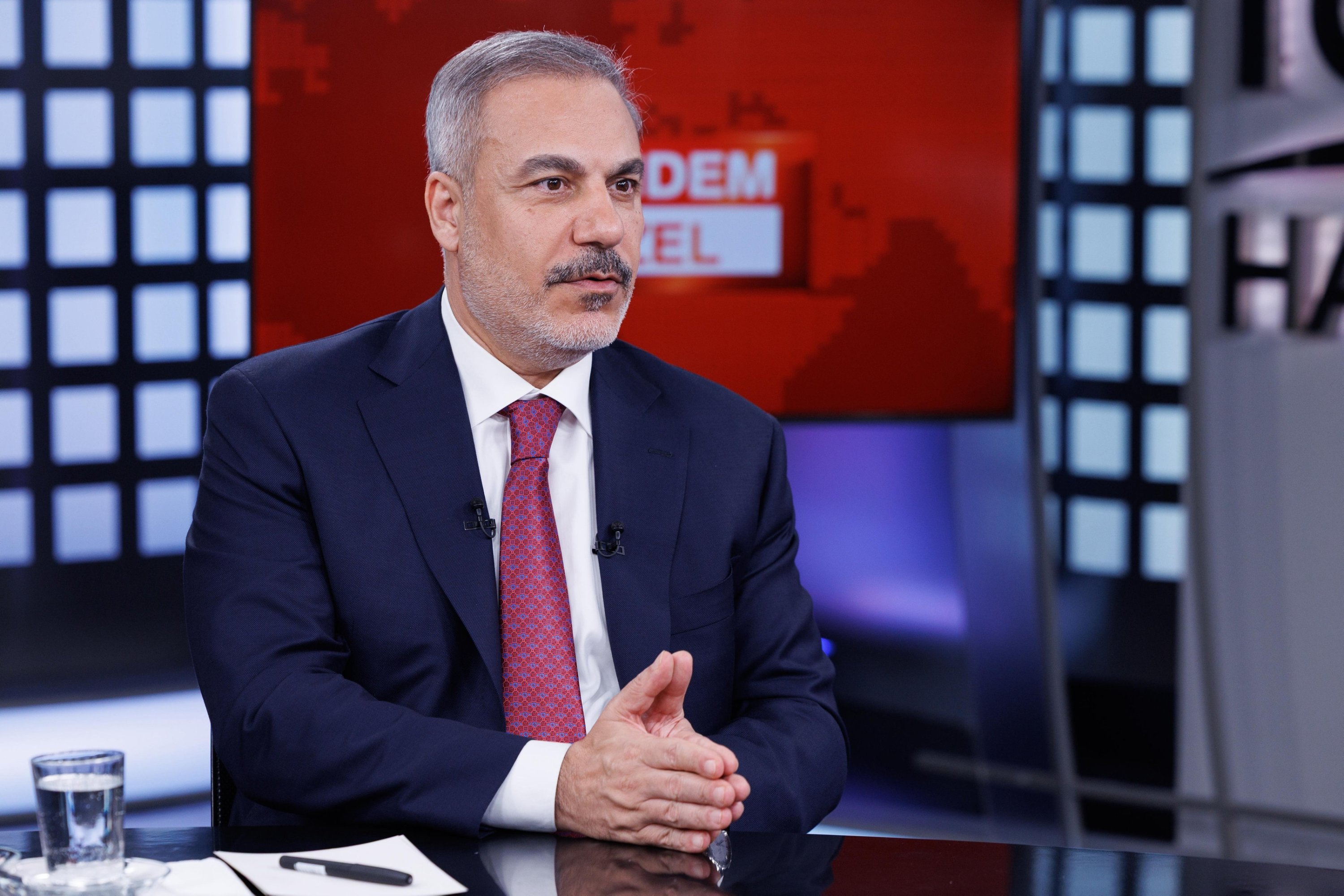
Turkiye’s Foreign Minister Hakan Fidan stated in an interview with CNN Turk that Ankara would be forced to join a regional nuclear arms race if Middle Eastern countries, primarily Iran, acquire nuclear weapons. According to him, the spread of nuclear weapons would radically alter the strategic balance in the region and could trigger a chain reaction among neighboring states, making it difficult for Turkiye to remain on the sidelines. When directly asked whether Turkiye intends to possess its own nuclear weapons, Fidan did not provide a specific answer, only smiling, which journalists interpret as a possible consideration of such issues in the future.
Fidan emphasized that Iran continues to develop its nuclear program and enrich uranium, putting pressure on regional security and causing concern among neighboring countries. The minister noted that any military actions against Iran, including strikes by the U.S. or its allies, are unlikely to result in a regime change, and would only worsen the situation and potentially provoke an escalation of the conflict. Turkiye insists on diplomatic resolution of all disputed issues and opposes direct military intervention, calling instead for negotiations and compromise.
These statements reflect Ankara’s concern for strategic stability in the region. Minister Fidan warns that the potential emergence of nuclear weapons in Iran or other countries could provoke not only an arms race but also change the balance of power in the Middle East. At the same time, Turkiye positions itself as a mediator in negotiations and proposes that parties first resolve key issues through diplomatic channels to avoid conflicts and reduce tensions.
Thus, Turkiye’s position, as expressed by Fidan, demonstrates a balance between warning of a possible nuclear arms race and striving to maintain regional stability, while emphasizing the country’s readiness to protect its interests in the face of threats to the strategic equilibrium in the Middle East.


 Latest news
Latest news
Latest newsUkraine’s Battlefield Experience Opens New Opportunities in Asia’s Drone Market
19.Jun.2026
Azerbaijan’s Oil Trap: Why the Economy Is Standing Still
18.Jun.2026
Motorcycle Noise Seen as Obstacle to Air Defense Operations in Crimea
17.Jun.2026
Rising Wages and Euro Integration: Bulgaria Enters a New Economic Era
17.Jun.2026
Armenia After June 7: Pashinyan Remains in Power, Moscow Unhappy
17.Jun.2026
$300 Billion Deal: Iran Poised to Receive the Largest Investment Package in Modern Middle Eastern History
16.Jun.2026
Infrastructure Pressure: Putin Acknowledges the Economic Impact of Ukrainian Attacks
15.Jun.2026
Kyiv and Moscow Trade Blame After Damage Reported at Kyiv Pechersk Lavra
15.Jun.2026
IMF Raises Georgia’s Economic Growth Forecast to 6.5% for 2026
15.Jun.2026
EU Opens the Door to Ukraine and Moldova as First Membership Talks Begin
14.Jun.2026