
 24 Jun 2026









- strengthening its status as a regional power and global mediator;
- reducing the risk of direct involvement in military conflict;
- stabilizing the economy amid geopolitical turbulence;
- enhancing Ankara’s negotiating leverage in dialogue with the EU and the United States.
Turkiye Steps Up Diplomatic Efforts Amid Escalation in the Middle East
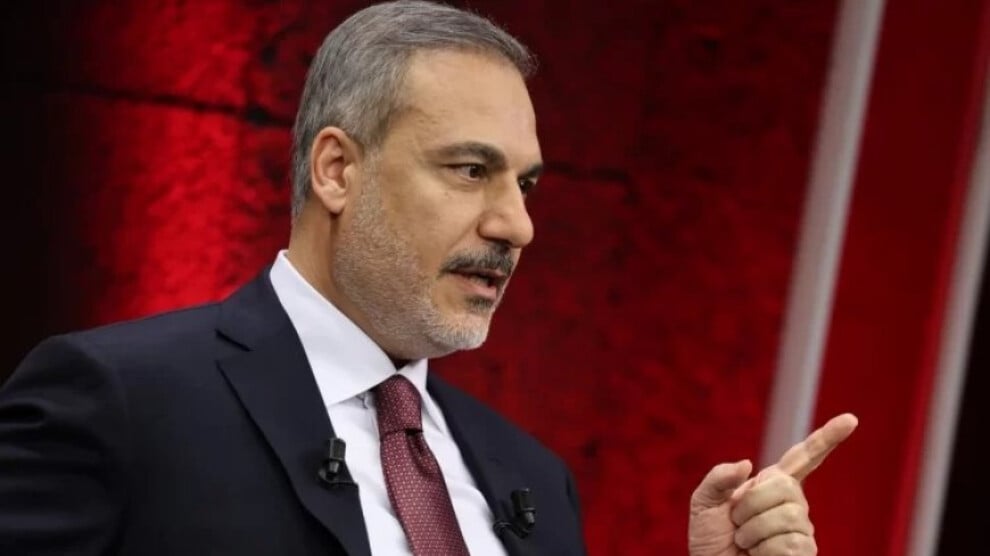
Ankara is intensifying diplomatic contacts with all parties involved in the conflict surrounding Iran, positioning itself as a potential venue for negotiations and a mediator in efforts to resolve the crisis. This was stated by Turkiye’s Foreign Minister Hakan Fidan, who emphasized that Ankara’s primary objective is to prevent further destabilization of the region.
According to the foreign minister, Turkiye maintains communication channels with Western governments, Tehran, and other regional actors alike.
“Preserving stability and preventing the expansion of the war is a priority for the entire international security system”, Fidan said.
President of Turkiye Recep Tayyip Erdoghan confirmed that Ankara is “doing everything possible to achieve a peaceful resolution” and is ready to offer its territory for talks related to Iran. Representatives of the ruling Justice and Development Party (AKP) noted that the possibility of holding consultations in Turkiye is already being discussed at the diplomatic level.
According to U.S. media reports, Turkiye is also being considered as a potential venue for the next round of international negotiations on Ukraine. The closure of airspace in several Persian Gulf countries, including the UAE, has complicated logistics for meetings in previously used locations. In this context, Ankara and Istanbul are once again being cited as convenient and politically acceptable options.
Turkiye previously hosted negotiations between Moscow and Kyiv in 2022 and acted as a mediator in the Black Sea grain deal, strengthening its image as one of the few countries maintaining working relations simultaneously with Russia, Ukraine, EU member states, and the United States.
Analysts note that Turkiye’s active diplomatic role serves several objectives at once:
At the same time, Turkiye continues to navigate a complex balance of interests. The country is a NATO member, yet it maintains economic and energy ties with Russia and actively engages with Middle Eastern states.
The escalation around Iran has heightened threats to transportation routes, energy supplies, and financial markets. For Turkiye — whose economy is sensitive to oil prices and currency volatility — further escalation poses direct risks. In this situation, Ankara is seeking to solidify its role not as a participant in the conflict, but as a mediator, hoping that diplomatic engagement will help minimize external threats while strengthening the country’s international standing.


 Latest news
Latest news
Latest newsUkraine’s Battlefield Experience Opens New Opportunities in Asia’s Drone Market
19.Jun.2026
Azerbaijan’s Oil Trap: Why the Economy Is Standing Still
18.Jun.2026
Motorcycle Noise Seen as Obstacle to Air Defense Operations in Crimea
17.Jun.2026
Rising Wages and Euro Integration: Bulgaria Enters a New Economic Era
17.Jun.2026
Armenia After June 7: Pashinyan Remains in Power, Moscow Unhappy
17.Jun.2026
$300 Billion Deal: Iran Poised to Receive the Largest Investment Package in Modern Middle Eastern History
16.Jun.2026
Infrastructure Pressure: Putin Acknowledges the Economic Impact of Ukrainian Attacks
15.Jun.2026
Kyiv and Moscow Trade Blame After Damage Reported at Kyiv Pechersk Lavra
15.Jun.2026
IMF Raises Georgia’s Economic Growth Forecast to 6.5% for 2026
15.Jun.2026
EU Opens the Door to Ukraine and Moldova as First Membership Talks Begin
14.Jun.2026