
 24 Jun 2026









The Future of Telegram in Russia: Ban or Adaptation?
The
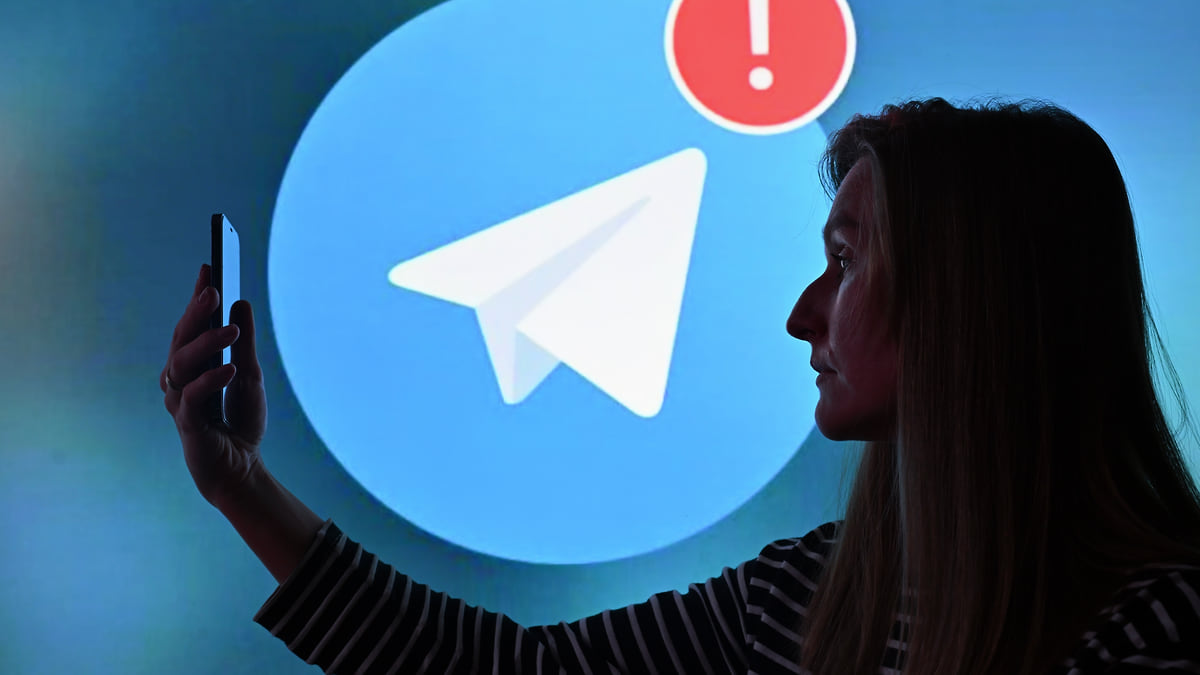
question of a possible shutdown of Telegram
in Russia has repeatedly returned to the public agenda in recent years, once
again becoming a subject of discussion amid the broader tightening of control
over the digital space. Today, Telegram is no longer just a messaging app, but
a full-fledged information ecosystem that brings together news channels,
political analysis, business communications, and public discourse. For many
users in Russia, it has effectively replaced traditional sources of
information, which inevitably increases the state’s attention to the platform
and its influence.
The reasons why authorities may consider restrictions or
even blocking the service lie primarily in the need to control information
flows and address security concerns. Telegram remains one of the few major
platforms where relatively free content distribution persists, including
anonymous channels, which raises concerns about disinformation, the
coordination of protest activity, and the spread of prohibited materials.
Additional tension stems from the fact that the platform has not always
complied with government requests regarding access to user data and content
regulation.
At the same time, past experience shows that attempts to
restrict Telegram in Russia face serious technical and practical challenges. In
2018, a large-scale attempt to block the platform led to widespread disruptions
across other internet services and ultimately failed to achieve its intended
outcome: users quickly adapted, and the messenger continued to operate. This
precedent is still seen as evidence of how difficult it is to completely
disable such platforms without causing significant collateral damage to a
country’s digital infrastructure.
Against this backdrop, a more realistic scenario today
appears to be not a complete shutdown, but a gradual tightening of regulation.
This could take the form of targeted pressure on specific channels, demands to
remove content, limitations on functionality, or deliberate slowing of the
service. Such an approach allows the state to increase control without
provoking sharp public backlash or causing large-scale technical disruptions.
At the same time, the possibility of a stricter blocking scenario cannot be
entirely ruled out, especially in the context of political escalation or rising
domestic tensions.
The consequences of a potential shutdown of Telegram would
be significant for both society and the economy. A large share of users would
likely turn to VPNs and alternative platforms, further complicating control
over the information environment. Businesses that rely on Telegram for sales,
marketing, and customer communication would face serious challenges, while the
information space could become less transparent and more fragmented.
Ultimately, this could produce the opposite effect — reducing the overall
manageability of the digital environment.
Thus, the prospect of Telegram being shut down in Russia remains more hypothetical than inevitable. A far more likely trajectory is a continued shift toward a hybrid model, in which the platform formally remains operational but becomes increasingly integrated into a system of restrictions and regulations that gradually reshape its role and capabilities.


 Latest news
Latest news
Latest newsUkraine’s Battlefield Experience Opens New Opportunities in Asia’s Drone Market
19.Jun.2026
Azerbaijan’s Oil Trap: Why the Economy Is Standing Still
18.Jun.2026
Motorcycle Noise Seen as Obstacle to Air Defense Operations in Crimea
17.Jun.2026
Rising Wages and Euro Integration: Bulgaria Enters a New Economic Era
17.Jun.2026
Armenia After June 7: Pashinyan Remains in Power, Moscow Unhappy
17.Jun.2026
$300 Billion Deal: Iran Poised to Receive the Largest Investment Package in Modern Middle Eastern History
16.Jun.2026
Infrastructure Pressure: Putin Acknowledges the Economic Impact of Ukrainian Attacks
15.Jun.2026
Kyiv and Moscow Trade Blame After Damage Reported at Kyiv Pechersk Lavra
15.Jun.2026
IMF Raises Georgia’s Economic Growth Forecast to 6.5% for 2026
15.Jun.2026
EU Opens the Door to Ukraine and Moldova as First Membership Talks Begin
14.Jun.2026