
 29 Aug 2026









Cluster Munitions Return: Europe Changes the Rules of the Game
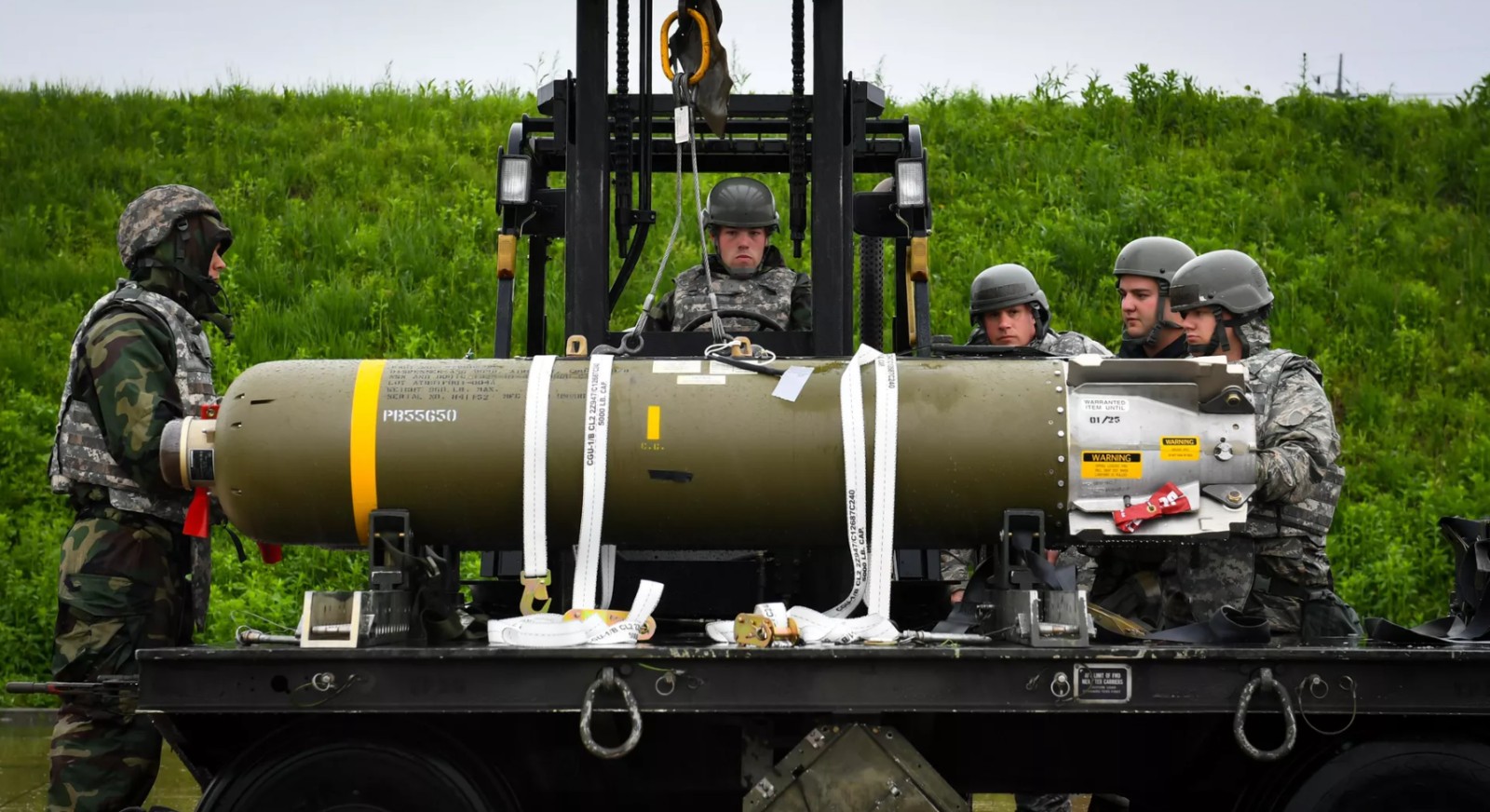
Not long ago, cluster munitions were considered "outlawed weapons" across most European capitals. Today, the situation is changing rapidly.
Amid the ongoing conflict in Ukraine and the growing threat from Russia, Europe is witnessing a surge in calls to reconsider bans on the use of cluster munitions. Once condemned for the high risks they posed to civilians, these weapons are now seen as a necessary tool to counter Russian air defense systems.
Lithuania became the first to break ranks, officially announcing its withdrawal from the Convention on Cluster Munitions. According to Lithuanian officials, modern threats demand a reassessment of old norms. “Our duty is to ensure the security of our people, even if it requires controversial measures," said Lithuania’s defense minister in a special statement.
Unlike traditional shells, cluster munitions disperse dozens or even hundreds of smaller submunitions over a wide area. This makes them especially effective against dense concentrations of equipment, fortified positions, and — crucially — sophisticated air defense systems like Russia’s S-400.
Military experts argue that traditional high-precision missiles are too expensive and limited in quantity to effectively suppress air defenses across a broad front. Cluster munitions allow for a "carpet strike," damaging radars, launchers, and mobile air defense units.
"These munitions could fundamentally shift the balance of power on the battlefield," says European military analyst Tobias Müller. "Without effective air defenses, Russian forces would be significantly more vulnerable to air strikes."
The decision to reconsider the ban has triggered sharp criticism from human rights organizations. They remind that unexploded submunitions from cluster bombs often remain a deadly threat to civilians for years or even decades after the fighting ends.
"Using cluster bombs is a step backward," said Amnesty International. "We risk leaving behind vast death fields for future generations."
Nevertheless, many European states are now balancing between moral concerns and pragmatic military necessity. NATO insiders are already discussing initiatives to develop "smart" cluster munitions with higher self-destruction rates to minimize long-term risks.
Following Lithuania, similar discussions are underway in Poland, Estonia, and Latvia. According to sources, by the end of 2025, a coalition of countries ready to officially reintroduce cluster munitions could emerge.
The world is changing, and so is warfare. Facing a new reality, Europe is searching for ways to survive and prevail — where idealism increasingly gives way to cold calculation.
Singh Bhagat
Military expert, researcher


 Latest news
Russia Intensifies Strikes on Ukraine’s Infrastructure, Targeting Warehouses and Logistics Hubs
28.Aug.2026
A New Economic Framework for Central Asia and the Caucasus: The Role of Azerbaijan and Uzbekistan
28.Aug.2026
Moscow Warns London: Russia Considers Strikes on British Military Targets
27.Aug.2026
Kazakhstan Launches a New Economic Strategy: GDP Growth, Investment and Pension Reform
27.Aug.2026
CIA Director Visits Moscow: Trump Hopes for Results
26.Aug.2026
Former Ukrainian Defense Minister Warns of Risk of Gradual Defeat in War with Russia
25.Aug.2026
Putin Authorizes Temporary State Management of Critical Infrastructure Vulnerable to Drone Attacks
24.Aug.2026
The United States Rapidly Expands Missile Production: Pentagon Accelerates Output of Tomahawks and Other Critical Weapons
24.Aug.2026
Record Supplies: Armenia Boosts Fish Exports to Georgia
23.Aug.2026
Political Battle During Wartime: Zelensky Opposes Elections
23.Aug.2026
Romania Approves Construction of One of the Largest Solar Power Plants in Europe
23.Aug.2026
Ex-Ukrainian Defence Minister Fails in Bid to Pressure Zelenskiy
22.Aug.2026
Upper Lars: Why Border Queues Have Become a Political Signal for Georgia and Russia
22.Aug.2026
Russia-Ukraine War: No Decisive Breakthrough on the Front and Intensifying Ukrainian Deep Strikes on Russia
21.Aug.2026
TRIPP, Peace, and a New Geopolitical Crossroads: How Armenia Has Changed One Year After Washington
20.Aug.2026