
 29 Aug 2026









- Enhanced
autonomy for small units.
Such systems allow platoon-level or even individual soldiers to designate
targets without relying on aviation or large UAVs.
- Increased
operational flexibility. The complex can be used not only in conventional combat but
also in special operations, reconnaissance, and artillery fire correction.
- Reduced
vulnerability.
Unlike large drones (such as the MQ-9
Reaper), the backpack system is harder to detect and does not require a
runway or satellite control channel.
- Counter-EW
resilience.
Mini-drones with short flight durations and localized communication links are
less susceptible to jamming or interception – a critical advantage amid the
widespread use of electronic warfare seen on the Ukrainian front.
- A
global trend. Similar
projects are underway in the UK, Israel, and South Korea. By bringing such a
system into serial production first, the U.S. may gain a tactical edge in mobile reconnaissance and
target designation.
U.S. Unveils Backpack-Mounted Drone System with Laser Target Designator
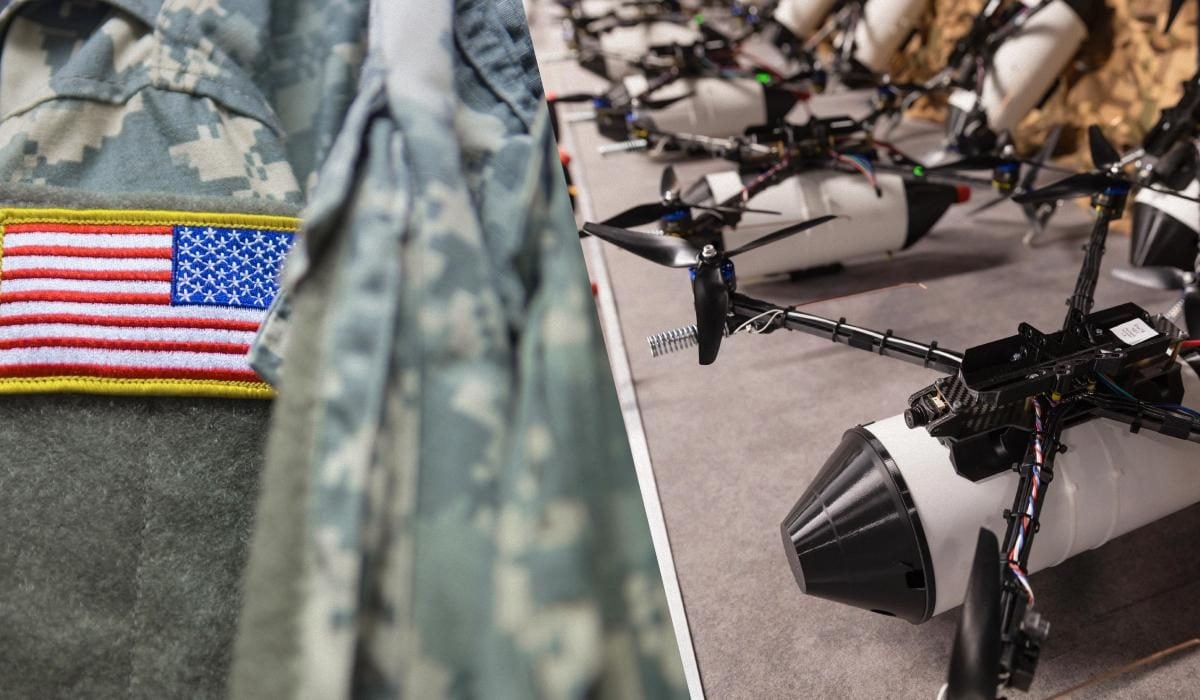
American
engineers have introduced a new development in military technology – a compact drone system that fits into a
backpack, equipped with a laser
target designator and automatic
guidance system. The new system can perform functions previously
available only to large unmanned aerial vehicles (UAVs) and specialized
ground-based complexes.
The
system is designed for rapid target
designation for aviation, artillery, and precision-guided weapons. The
complex includes a vertical take-off
mini-drone, a laser designator
module, and a tablet-based
control terminal. The entire set weighs about 12–15 kilograms and can be deployed by a single operator within
minutes.

The
device was developed by one of the leading U.S. defense technology companies,
known for its cooperation with the Pentagon and the U.S. Air Force. According
to experts, the system is intended to reduce
frontline units’ dependence on large reconnaissance drones, providing
greater mobility and stealth.
“We’re building a system that fits into a backpack but offers the functionality of an entire reconnaissance complex. This will change how ground forces and aviation interact”, said a representative of the developing company.
The
next-generation laser designator
can operate over several kilometers and is synchronized with GPS and inertial navigation systems. The automatic target-tracking feature, powered by artificial intelligence, enables the
drone to keep a moving object in view even as it maneuvers. Moreover, the
system’s compatibility with NATO
weapons platforms allows data to be transmitted in real time to allied
air and artillery units. The drone can also be equipped with additional sensors
such as thermal imagers, rangefinders,
and electronic warfare (EW) modules.
Experts
note that the emergence of such portable systems marks the next step in the miniaturization of military
reconnaissance and target designation:
“The arrival of backpack drones with laser designators is the technological equivalent of the introduction of portable radios in the 20th century. They will radically change how troops coordinate and call in fire”, said Robert Lewis, a defense analyst at the Center for Military Innovation in Washington.
According
to sources within U.S. defense circles, the
first prototypes are already undergoing field tests with Special Operations Command (SOCOM)
training units. If trials prove successful, mass production is expected to begin in 2026, with deployment planned for U.S. and allied forces.
09.10.2025 11:52


 Latest news
Russia Intensifies Strikes on Ukraine’s Infrastructure, Targeting Warehouses and Logistics Hubs
28.Aug.2026
A New Economic Framework for Central Asia and the Caucasus: The Role of Azerbaijan and Uzbekistan
28.Aug.2026
Moscow Warns London: Russia Considers Strikes on British Military Targets
27.Aug.2026
Kazakhstan Launches a New Economic Strategy: GDP Growth, Investment and Pension Reform
27.Aug.2026
CIA Director Visits Moscow: Trump Hopes for Results
26.Aug.2026
Former Ukrainian Defense Minister Warns of Risk of Gradual Defeat in War with Russia
25.Aug.2026
Putin Authorizes Temporary State Management of Critical Infrastructure Vulnerable to Drone Attacks
24.Aug.2026
The United States Rapidly Expands Missile Production: Pentagon Accelerates Output of Tomahawks and Other Critical Weapons
24.Aug.2026
Record Supplies: Armenia Boosts Fish Exports to Georgia
23.Aug.2026
Political Battle During Wartime: Zelensky Opposes Elections
23.Aug.2026
Romania Approves Construction of One of the Largest Solar Power Plants in Europe
23.Aug.2026
Ex-Ukrainian Defence Minister Fails in Bid to Pressure Zelenskiy
22.Aug.2026
Upper Lars: Why Border Queues Have Become a Political Signal for Georgia and Russia
22.Aug.2026
Russia-Ukraine War: No Decisive Breakthrough on the Front and Intensifying Ukrainian Deep Strikes on Russia
21.Aug.2026
TRIPP, Peace, and a New Geopolitical Crossroads: How Armenia Has Changed One Year After Washington
20.Aug.2026