
 28 Aug 2026









OPEC+ Accelerates Output Recovery as Kazakhstan Increases Oil Production from August
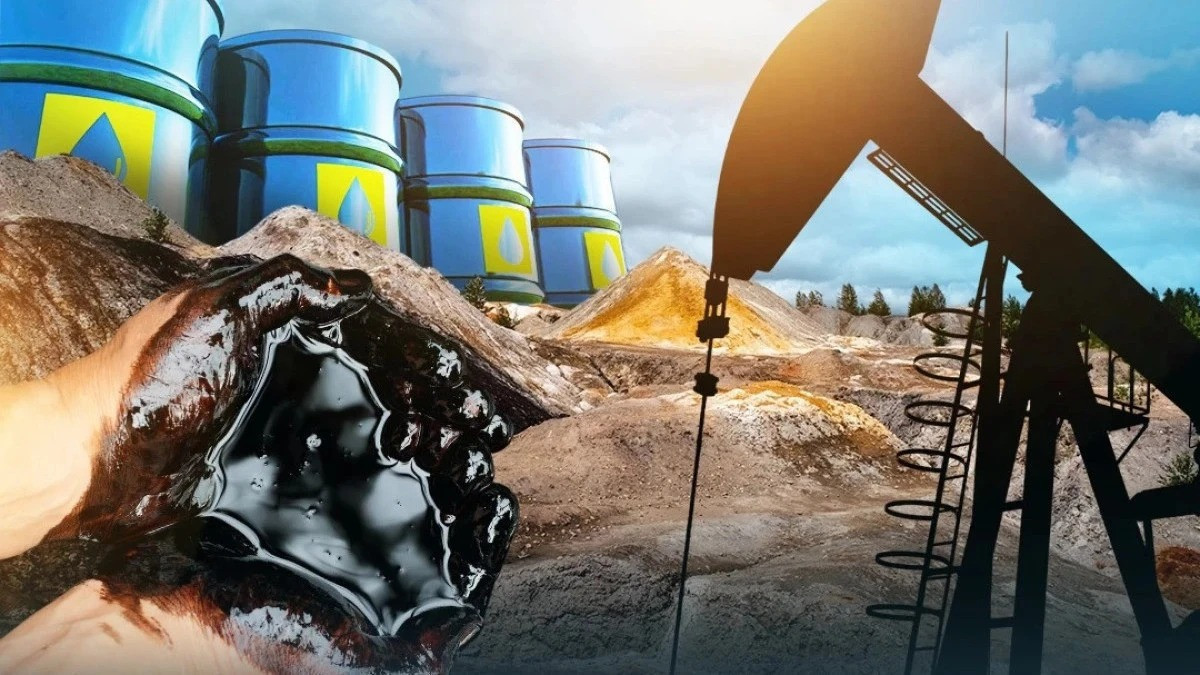
Kazakhstan will increase its oil production from August 2026 under the latest OPEC+ agreement reached by the eight countries participating in the voluntary production cuts. Under the deal, the group's combined output will rise by 188,000 barrels per day. In addition to Kazakhstan, the participating countries include Saudi Arabia, Russia, Iraq, the United Arab Emirates, Kuwait, Algeria, and Oman.
The decision was made following an online meeting of OPEC+ ministers, during which participants pointed to strong oil market fundamentals, relatively low global commercial crude inventories, and resilient demand. The production increase marks another step in the gradual unwinding of the voluntary output cuts that have been in place since 2023 and repeatedly extended to help maintain balance in the global oil market.
For Kazakhstan, compliance with OPEC+ production quotas remains one of the country's most sensitive energy policy issues. In recent months, Kazakhstan has consistently exceeded its agreed production targets, largely due to higher output at the Tengiz oil field following the completion of the Future Growth Project expansion. The government has repeatedly pledged to compensate for overproduction through additional cuts in subsequent months, but achieving full compliance has proven difficult because of the technical and operational characteristics of the country's major oil fields, which are operated by international consortia.
Kazakhstan's Ministry of Energy has reiterated that the country remains committed to its obligations under the OPEC+ agreement while also seeking to honor long-term commitments to foreign investors and ensure the stable development of its oil sector. According to the ministry, any further production increases should be accompanied by compensation measures agreed upon with other members of the alliance.
Analysts say the latest OPEC+ decision reflects growing confidence in the outlook for the global oil market. Despite persistent risks stemming from slower global economic growth and ongoing geopolitical tensions, oil demand remains robust, supported by seasonal fuel consumption, continued economic expansion across Asia, and the recovery of international transportation. Against this backdrop, OPEC+ members are gradually restoring previously curtailed production while attempting to avoid a sharp increase in supply that could put downward pressure on oil prices.
For Kazakhstan, the higher production ceiling carries significant macroeconomic importance. The oil sector accounts for a substantial share of the country's export revenues and government budget income, meaning increased production could boost foreign exchange earnings, tax revenues, and overall economic growth. At the same time, analysts believe Astana's future production policy will depend on global oil price trends, the country's fulfillment of its OPEC+ compensation commitments, and the pace of production growth at its largest oil fields — Tengiz, Kashagan, and Karachaganak.
Market observers believe the latest agreement demonstrates that OPEC+ continues to pursue a flexible supply management strategy. The alliance retains the ability to adjust production levels in response to changing market conditions, seeking to preserve price stability while meeting steadily growing global demand for energy.
CCBS Expert Group


 Latest news
Latest news
Latest newsRussia Intensifies Strikes on Ukraine’s Infrastructure, Targeting Warehouses and Logistics Hubs
28.Aug.2026
A New Economic Framework for Central Asia and the Caucasus: The Role of Azerbaijan and Uzbekistan
28.Aug.2026
Moscow Warns London: Russia Considers Strikes on British Military Targets
27.Aug.2026
Kazakhstan Launches a New Economic Strategy: GDP Growth, Investment and Pension Reform
27.Aug.2026
CIA Director Visits Moscow: Trump Hopes for Results
26.Aug.2026
Former Ukrainian Defense Minister Warns of Risk of Gradual Defeat in War with Russia
25.Aug.2026
Putin Authorizes Temporary State Management of Critical Infrastructure Vulnerable to Drone Attacks
24.Aug.2026
The United States Rapidly Expands Missile Production: Pentagon Accelerates Output of Tomahawks and Other Critical Weapons
24.Aug.2026
Record Supplies: Armenia Boosts Fish Exports to Georgia
23.Aug.2026
Political Battle During Wartime: Zelensky Opposes Elections
23.Aug.2026
Romania Approves Construction of One of the Largest Solar Power Plants in Europe
23.Aug.2026
Ex-Ukrainian Defence Minister Fails in Bid to Pressure Zelenskiy
22.Aug.2026
Upper Lars: Why Border Queues Have Become a Political Signal for Georgia and Russia
22.Aug.2026
Russia-Ukraine War: No Decisive Breakthrough on the Front and Intensifying Ukrainian Deep Strikes on Russia
21.Aug.2026
TRIPP, Peace, and a New Geopolitical Crossroads: How Armenia Has Changed One Year After Washington
20.Aug.2026