
 29 Aug 2026









A Winged Shadow Over the World: Why Russia Showcased Its New Nuclear Missile Project?
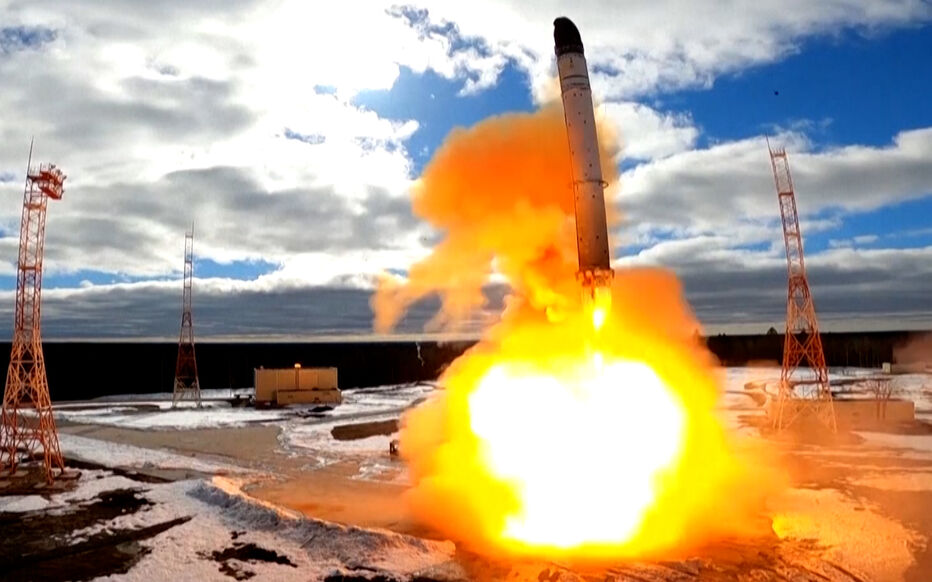
Russia has announced the successful test of a nuclear-powered cruise missile, the 9M730 Burevestnik (NATO code: SSC-X-9 Skyfall). According to the Chief of the General Staff of the Russian Armed Forces, Valery Gerasimov, the missile flew about 14 000 kilometers and remained airborne for approximately 15 hours.
President Vladimir Putin emphasized that it is a “unique weapon that no one else in the world possesses”.

The timing of this announcement is significant – it comes amid the ongoing war in Ukraine and growing pressure from the United States on Russia. Moscow is demonstrating that it remains a formidable nuclear power. By unveiling new weaponry, the Kremlin also reinforces its image of strength and independence – a theme crucial for domestic audiences. The claim that the missile can “penetrate any defense” places a challenge before Western military structures and potential adversaries alike.
Even if the system is not yet ready for mass deployment, the mere fact of its existence increases tension in the realm of strategic weaponry. The United States and its allies may respond by boosting missile defense programs or adapting their military strategies to counter the new threat – potentially fueling a new arms race.
On the other hand, a nuclear propulsion system requires vast resources, infrastructure, and strict safety measures. It may take years before the missile achieves full operational readiness. The reported data – 14 000 km of range and 15 hours of flight – are impressive, but so far lack independent verification. This means that the claimed features could be exaggerated (“unlimited range”, “unpredictable trajectory”).
For Eastern Europe, the Baltic states, Scandinavia, and NATO as a whole, this serves as a signal: Russia wants to remind the world of its nuclear potential. Moscow is seeking to restore its status as a superpower – not only through nuclear capabilities but also through technological prestige.
Most likely, the system is still far from combat readiness, yet its announcement serves a political and psychological purpose. Russia is changing the rules of the game: even if the enemy never sees the missile in action, the mere belief in its existence affects strategic calculations.
It is also worth noting that such statements may provoke counteraction. If the West perceives this as a threat, it may accelerate the deployment of new defense – or even offensive – systems. This, in turn, raises the risk of unintended escalation.


 Latest news
Russia Intensifies Strikes on Ukraine’s Infrastructure, Targeting Warehouses and Logistics Hubs
28.Aug.2026
A New Economic Framework for Central Asia and the Caucasus: The Role of Azerbaijan and Uzbekistan
28.Aug.2026
Moscow Warns London: Russia Considers Strikes on British Military Targets
27.Aug.2026
Kazakhstan Launches a New Economic Strategy: GDP Growth, Investment and Pension Reform
27.Aug.2026
CIA Director Visits Moscow: Trump Hopes for Results
26.Aug.2026
Former Ukrainian Defense Minister Warns of Risk of Gradual Defeat in War with Russia
25.Aug.2026
Putin Authorizes Temporary State Management of Critical Infrastructure Vulnerable to Drone Attacks
24.Aug.2026
The United States Rapidly Expands Missile Production: Pentagon Accelerates Output of Tomahawks and Other Critical Weapons
24.Aug.2026
Record Supplies: Armenia Boosts Fish Exports to Georgia
23.Aug.2026
Political Battle During Wartime: Zelensky Opposes Elections
23.Aug.2026
Romania Approves Construction of One of the Largest Solar Power Plants in Europe
23.Aug.2026
Ex-Ukrainian Defence Minister Fails in Bid to Pressure Zelenskiy
22.Aug.2026
Upper Lars: Why Border Queues Have Become a Political Signal for Georgia and Russia
22.Aug.2026
Russia-Ukraine War: No Decisive Breakthrough on the Front and Intensifying Ukrainian Deep Strikes on Russia
21.Aug.2026
TRIPP, Peace, and a New Geopolitical Crossroads: How Armenia Has Changed One Year After Washington
20.Aug.2026