
 24 Jun 2026









Moscow Criticizes Plans to Build a U.S.-Backed Nuclear Power Plant in Armenia
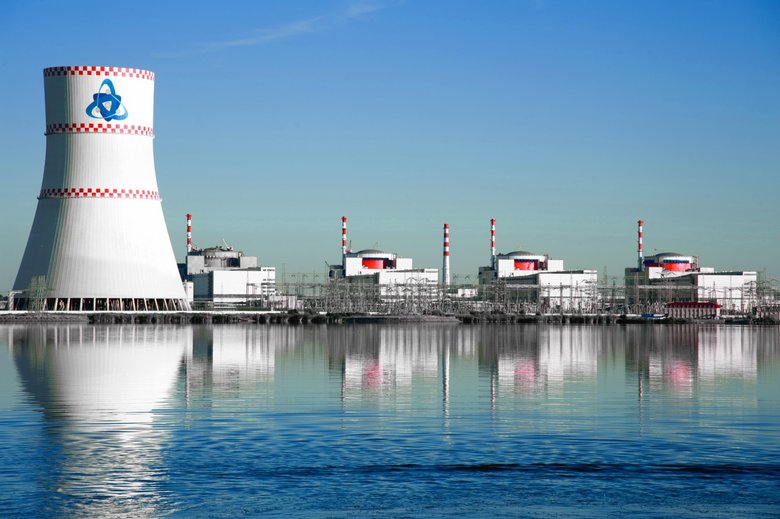
The idea of constructing a
nuclear power plant in Armenia with U.S. participation has become one of the
most widely discussed foreign policy issues in the region. During a recent
visit to Yerevan by U.S. Vice President J.D. Vance, Washington and the Armenian
government signed an intergovernmental agreement on cooperation in the field of
civil nuclear energy. The agreement opens the door to the export of American
nuclear technologies, fuel, and related services to the republic. The U.S. side
estimates the potential value of this cooperation at around $9 billion —
approximately $5 billion in initial exports and another $4 billion in long-term
support through fuel supplies and maintenance. In Washington, the deal is
viewed not merely as a commercial contract but as a strategic move aimed at
diversifying Armenia’s energy sector and reducing its dependence on Russia.
For
Armenia, the project could create significant new opportunities. The country
has long sought greater energy sovereignty, while its existing nuclear power
plant in Metsamor — built during the Soviet era — operates on Russian fuel and
supplies a substantial share of the nation’s electricity. Armenian authorities
believe that modernizing the sector and attracting new partners will improve
reliability and stimulate further development. Prime Minister Nikol Pashinyan
said that nuclear cooperation with the United States could “open a new chapter”
in Armenia’s energy policy and strengthen the strategic partnership between the
two countries.
However,
Moscow sharply criticized the initiative shortly after the agreement was
signed. Russian Foreign Ministry spokesperson Maria Zakharova described the U.S.-linked project as
a “very murky scheme”, highlighting
a lack of concrete details about the $9 billion initiative and questioning its
transparency. She pointedly remarked that some Armenian media had labeled the
proposed investment as “unprecedented”, but stressed that what is being promoted may not
involve genuine American financial commitment — with Armenia itself expected to
bear much of the cost via a yet-to-be-formed TRIPP fund.

Zakharova also drew attention to the fact that the small modular reactors being offered “do not exist anywhere, not even in the United States — they exist only on paper”, suggesting Armenia could be used as a testing ground for technologies that are not yet proven in practice. Russian commentary on the issue also raised concerns about potentially higher actual costs than advertised.
Aside
from technical doubts, Russian officials and analysts have portrayed the step
as a geopolitical challenge to
Moscow’s influence in what it considers a traditional sphere of
interest. For Russia, the South Caucasus remains strategically important, and
an expanded U.S. presence through energy projects is seen as direct pressure.
Russian officials emphasize that Moscow has already offered Armenia tested and operational nuclear
solutions, including small reactor projects successfully implemented in
practice, and
remains ready to cooperate.
The
Kremlin has sought to temper its criticism by formally acknowledging Armenia’s
sovereign right to choose partners, but at the same time has underscored its
readiness to compete for the nuclear project, promoting Russian technology as
more reliable and economically advantageous.
Ultimately, the proposal to build a U.S.-backed nuclear plant in Armenia has become more than just an energy initiative — it has emerged as a symbol of shifting geopolitical dynamics in the region. For Yerevan, it represents a chance to attract investment and diversify energy sources; for Moscow, it signals a potential weakening of traditional ties and loss of influence. With no final decision yet made on who will build the new plant, the situation remains a vivid example of how energy policy intertwines with broader international strategy.


 Latest news
Latest news
Latest newsUkraine’s Battlefield Experience Opens New Opportunities in Asia’s Drone Market
19.Jun.2026
Azerbaijan’s Oil Trap: Why the Economy Is Standing Still
18.Jun.2026
Motorcycle Noise Seen as Obstacle to Air Defense Operations in Crimea
17.Jun.2026
Rising Wages and Euro Integration: Bulgaria Enters a New Economic Era
17.Jun.2026
Armenia After June 7: Pashinyan Remains in Power, Moscow Unhappy
17.Jun.2026
$300 Billion Deal: Iran Poised to Receive the Largest Investment Package in Modern Middle Eastern History
16.Jun.2026
Infrastructure Pressure: Putin Acknowledges the Economic Impact of Ukrainian Attacks
15.Jun.2026
Kyiv and Moscow Trade Blame After Damage Reported at Kyiv Pechersk Lavra
15.Jun.2026
IMF Raises Georgia’s Economic Growth Forecast to 6.5% for 2026
15.Jun.2026
EU Opens the Door to Ukraine and Moldova as First Membership Talks Begin
14.Jun.2026