
 29 Aug 2026









UK and Turkey Sign £8 Billion Deal for 20 Eurofighter Typhoon Jets
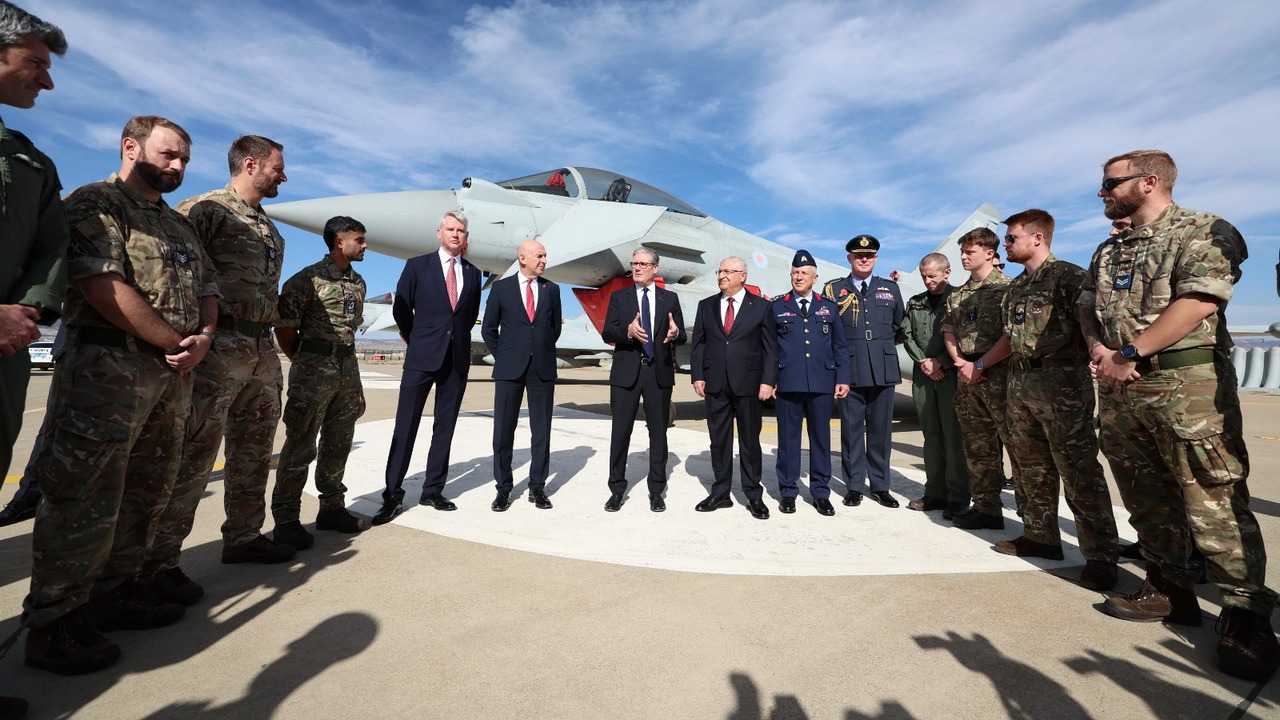
During the official visit of UK Prime Minister Keir Starmer to Ankara on October 27, 2025, an agreement was signed with Turkish President Recep Tayyip Erdoghan for the delivery of 20 new Eurofighter Typhoon jets, worth up to £8 billion (approximately $10.7 billion). This marks the first new Typhoon contract from the United Kingdom since 2017.

The contract stipulates that BAE Systems (UK) will receive around £4.6 billion in revenue from the deal. Production will take place at British manufacturing sites, including Warton (Lancashire), helping to sustain up to 20,000 jobs. The first deliveries are planned for 2030, with continued production throughout the 2030s.
Thus, Turkey is strengthening its air force infrastructure, transitioning from aging aircraft to modern European combat platforms. The purchase is viewed as an “interim solution” until the launch of Turkey’s indigenous fifth-generation fighter jet, KAAN, expected to enter service around 2028. Turkey’s strategic location – a bridge between Europe and the Middle East – makes it a key element of NATO’s southeastern defense structure.
The deal also helps maintain Typhoon production lines, crucial for the UK’s defense industry and employment, while reinforcing Britain’s position as a major arms exporter and security partner in Europe and beyond. From NATO’s perspective, strengthening an ally on such a critical Black Sea-Mediterranean axis enhances collective defense.
Despite the strategic benefits, the deal has drawn criticism – concerns over human rights and democratic standards in Turkey have been raised in the UK Parliament and the media. The supply of the aircraft is only part of the process; training, logistics, missile integration, and maintenance will also be significant challenges for Turkey.
Having been excluded from the F-35 program due to the purchase of Russian S-400 systems, Turkey is now pursuing diversification of defense suppliers. This move reshapes the strategic balance in the region. Turkey aims to demonstrate that it is not only a regional actor but also an active European security partner, capable of acting independently and modernizing. For the UK, the agreement helps bolster its defense industrial base and project foreign policy influence.
The further development of this partnership will depend on two key factors: how quickly Turkey can integrate the aircraft, and how effectively the UK provides support, training, and logistics. Additionally, observers will watch whether this deal could heighten tensions with neighboring countries (e.g., Greece) or within NATO due to growing arms competition.
28.10.2025 11:06


 Latest news
Russia Intensifies Strikes on Ukraine’s Infrastructure, Targeting Warehouses and Logistics Hubs
28.Aug.2026
A New Economic Framework for Central Asia and the Caucasus: The Role of Azerbaijan and Uzbekistan
28.Aug.2026
Moscow Warns London: Russia Considers Strikes on British Military Targets
27.Aug.2026
Kazakhstan Launches a New Economic Strategy: GDP Growth, Investment and Pension Reform
27.Aug.2026
CIA Director Visits Moscow: Trump Hopes for Results
26.Aug.2026
Former Ukrainian Defense Minister Warns of Risk of Gradual Defeat in War with Russia
25.Aug.2026
Putin Authorizes Temporary State Management of Critical Infrastructure Vulnerable to Drone Attacks
24.Aug.2026
The United States Rapidly Expands Missile Production: Pentagon Accelerates Output of Tomahawks and Other Critical Weapons
24.Aug.2026
Record Supplies: Armenia Boosts Fish Exports to Georgia
23.Aug.2026
Political Battle During Wartime: Zelensky Opposes Elections
23.Aug.2026
Romania Approves Construction of One of the Largest Solar Power Plants in Europe
23.Aug.2026
Ex-Ukrainian Defence Minister Fails in Bid to Pressure Zelenskiy
22.Aug.2026
Upper Lars: Why Border Queues Have Become a Political Signal for Georgia and Russia
22.Aug.2026
Russia-Ukraine War: No Decisive Breakthrough on the Front and Intensifying Ukrainian Deep Strikes on Russia
21.Aug.2026
TRIPP, Peace, and a New Geopolitical Crossroads: How Armenia Has Changed One Year After Washington
20.Aug.2026