
 29 Aug 2026









Pokrovsk Under Pressure: Why the Battle for This City Could Be Pivotal in the War in Eastern Ukraine
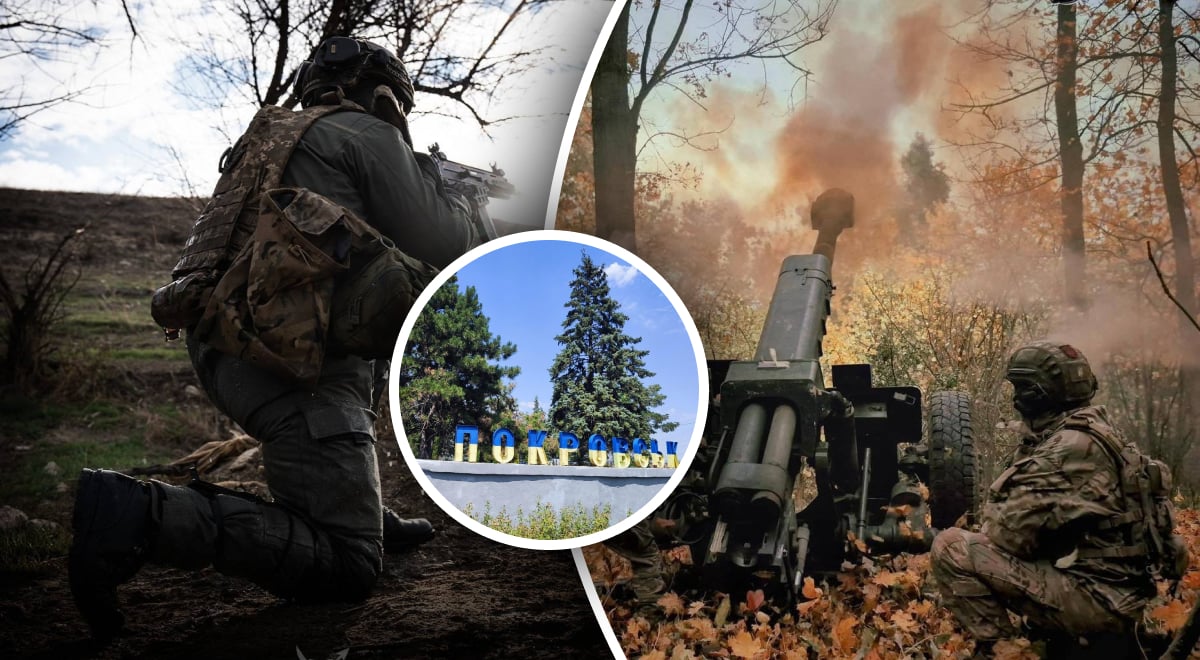
Pokrovsk (Donetsk region) has become the new epicenter of fighting in eastern Ukraine. According to various sources, Russian forces continue advancing toward the city, using both ground assaults and massive drone and artillery strikes.
The Ukrainian command admits that the situation remains “extremely tense”.
Pokrovsk is a major transport and logistics hub located about 60 km northwest of Donetsk. Railways pass through the city, connecting the western parts of Donbas with Ukrainian-controlled territories.
Control over Pokrovsk would open a direct route for Russia toward Kurakhove and Kostiantynivka – key strongholds of Ukraine’s defense. In addition, the city serves as a rear supply base for Ukrainian units holding the front along the Avdiivka–Maryinka line.
If Pokrovsk falls, Ukrainian forces will have to retreat westward, building a new line of defense in open steppe terrain, which would make it harder to hold their positions.

According to the Institute for the Study of War (ISW), Russia is employing a “creeping encirclement” strategy – a slow but systematic advance relying on artillery and assault groups. The main strikes are focused on the southeastern outskirts of Pokrovsk and the nearby town of Myrnohrad.
In recent weeks, Russia has deployed new long-range drone platforms, assault units composed of contract soldiers and reservists, and electronic warfare systems disrupting Ukrainian communications and navigation.
Analysts note that, unlike in 2023, the Russian army now operates in a more organized way, using a “mosaic” assault structure, where drones, artillery, and infantry have clearly defined roles.
Ukraine has concentrated in the Pokrovsk area units trained with Western assistance. However, shortages of ammunition and the need to cover a long frontline reduce the effectiveness of its defense.
According to Ukrainian sources, the Armed Forces have switched to flexible defense tactics – a gradual withdrawal combined with strikes on enemy supply lines. Ukrainian forces are also actively using kamikaze drones against Russian logistics convoys deep inside the Donetsk region.
Nevertheless, experts acknowledge that if Russia manages to secure control over Pokrovsk, Ukraine risks losing an important logistical corridor and partial operational control over the Donbas front.
The fall of Pokrovsk, Western analysts warn, would have both military and political consequences. First, it could undermine confidence in Ukraine’s ability to hold the eastern front without a substantial increase in NATO support. Second, amid continuing Russian strikes on Ukraine’s energy infrastructure, Kyiv may face growing internal pressure and public fatigue from the prolonged war.
President Volodymyr Zelensky has already urged allies to accelerate deliveries of Patriot air-defense systems and artillery ammunition, warning that “every day of delay costs Ukraine cities and lives”.

Many analysts believe the situation around Pokrovsk is a harbinger of a protracted winter campaign, in which both sides will seek to wear each other down. Russia is likely to attempt to consolidate its gains and stabilize the front before spring, while Ukraine will look for opportunities to launch localized counterattacks and precision operations.
The scenario in which Pokrovsk completely falls under Russian control is not inevitable – but it illustrates how fragile the balance of forces remains in the east.
The battle for Pokrovsk is becoming a litmus test for both armies: for Russia – to prove its ability to coordinate complex offensive operations; for Ukraine – to demonstrate the resilience of its defensive system. Ultimately, the outcome of this struggle could shape not only the configuration of the front but also the trajectory of diplomatic efforts surrounding the war.


 Latest news
Russia Intensifies Strikes on Ukraine’s Infrastructure, Targeting Warehouses and Logistics Hubs
28.Aug.2026
A New Economic Framework for Central Asia and the Caucasus: The Role of Azerbaijan and Uzbekistan
28.Aug.2026
Moscow Warns London: Russia Considers Strikes on British Military Targets
27.Aug.2026
Kazakhstan Launches a New Economic Strategy: GDP Growth, Investment and Pension Reform
27.Aug.2026
CIA Director Visits Moscow: Trump Hopes for Results
26.Aug.2026
Former Ukrainian Defense Minister Warns of Risk of Gradual Defeat in War with Russia
25.Aug.2026
Putin Authorizes Temporary State Management of Critical Infrastructure Vulnerable to Drone Attacks
24.Aug.2026
The United States Rapidly Expands Missile Production: Pentagon Accelerates Output of Tomahawks and Other Critical Weapons
24.Aug.2026
Record Supplies: Armenia Boosts Fish Exports to Georgia
23.Aug.2026
Political Battle During Wartime: Zelensky Opposes Elections
23.Aug.2026
Romania Approves Construction of One of the Largest Solar Power Plants in Europe
23.Aug.2026
Ex-Ukrainian Defence Minister Fails in Bid to Pressure Zelenskiy
22.Aug.2026
Upper Lars: Why Border Queues Have Become a Political Signal for Georgia and Russia
22.Aug.2026
Russia-Ukraine War: No Decisive Breakthrough on the Front and Intensifying Ukrainian Deep Strikes on Russia
21.Aug.2026
TRIPP, Peace, and a New Geopolitical Crossroads: How Armenia Has Changed One Year After Washington
20.Aug.2026