
 29 Aug 2026









- Long production timelines: Even with accelerated production, France can deliver only 2–3 Rafale per month. Ukraine is unlikely to receive the first jets before 2027–2028.
- Industry-wide retraining: Pilots, technicians, logistics, and airfield infrastructure will all need to be upgraded.
- Financial burden: Even with favorable financing, this will become the most expensive deal in Ukraine’s history.
Ukraine and France Prepare “Historic Deal”: Purchase of Up to 100 Rafale Fighter Jets
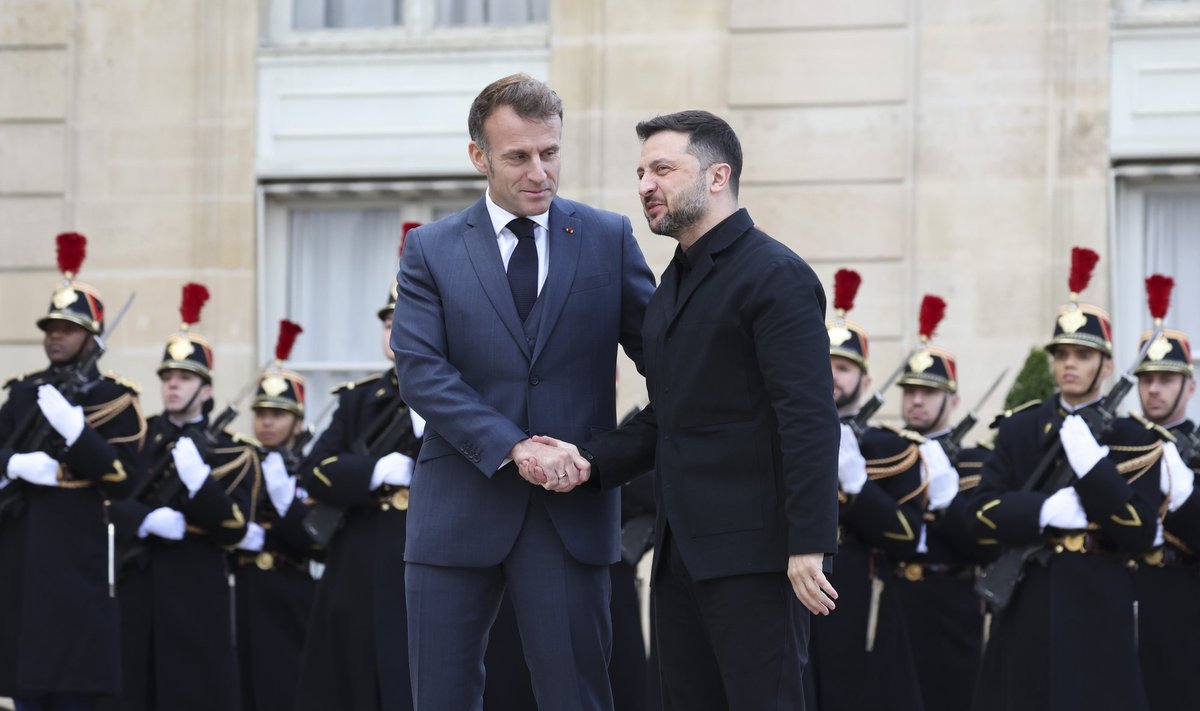
The signing of a letter of intent between Kyiv and Paris for the potential purchase of up to 100 Dassault Rafale fighter jets has become one of the most significant events in Ukraine’s security sphere in recent years. The document, signed during a visit of the Ukrainian delegation to France, paves the way for the largest aviation contract in Ukraine’s history and one of the largest in the history of Dassault Aviation.
The deal has not yet been finalized, but experts already consider it a strategic breakthrough — both in terms of modernizing the Ukrainian Air Force and strengthening political ties between Kyiv and Paris.
The Dassault Rafale is considered one of Europe’s most technologically advanced multi-role fighter jets. It can perform a wide range of missions — from air dominance to precision strikes and electronic warfare.
For Ukraine, the acquisition represents a transition from Soviet-era aircraft to full NATO standards. The Ukrainian Air Force still relies on modernized MiG-29s and Su-27s. Moving to Rafale effectively ends reliance on Soviet platforms.
In addition, the Rafale is integrated with advanced weaponry, including Meteor, Scalp EG, and MICA NG missiles, which can significantly alter the balance of power in the air.

For France, the deal ensures that Ukraine not only receives military aid but also becomes part of the European defense architecture. Rafale is a direct step in this direction.
The agreement with Kyiv is just as significant for Paris as it is for Ukraine. France aims to play a leading role in European defense, including in competition with the United States and Germany. Amid the ongoing war, France seeks to demonstrate that it remains one of Europe’s key security guarantors. A large defense contract with Ukraine is a way to consolidate this leadership.
Additionally, Dassault Aviation maintains steady demand for its aircraft, but a contract for 100 jets would secure production lines for many years.
The cost of Rafale jets in export contracts ranges from €90–130 million per aircraft, depending on configuration and weapons package. Thus, the total value of the deal could reach €10–12 billion. Financing is expected to be mixed, including сredits from French export agencies, partial EU subsidies, extended payment schedules, pilot and technician training programs.
Despite the scale of the project, implementation faces several major challenges:
Acquiring Rafale is not a one-year solution, but a transformation of the Air Force for decades. While the US supplies F-16s, France offers an alternative path via a European aviation ecosystem. Ukraine effectively becomes part of the European defense system even without NATO membership. In the coming months, the parties will need to finalize technical specifications, delivery schedules, and financing arrangements. Training of pilots and engineers is expected to begin in 2026–2027. Actual aircraft deliveries are most likely after 2028. According to experts, Ukraine may receive its first fully operational Rafale squadron no earlier than 2029.


 Latest news
Russia Intensifies Strikes on Ukraine’s Infrastructure, Targeting Warehouses and Logistics Hubs
28.Aug.2026
A New Economic Framework for Central Asia and the Caucasus: The Role of Azerbaijan and Uzbekistan
28.Aug.2026
Moscow Warns London: Russia Considers Strikes on British Military Targets
27.Aug.2026
Kazakhstan Launches a New Economic Strategy: GDP Growth, Investment and Pension Reform
27.Aug.2026
CIA Director Visits Moscow: Trump Hopes for Results
26.Aug.2026
Former Ukrainian Defense Minister Warns of Risk of Gradual Defeat in War with Russia
25.Aug.2026
Putin Authorizes Temporary State Management of Critical Infrastructure Vulnerable to Drone Attacks
24.Aug.2026
The United States Rapidly Expands Missile Production: Pentagon Accelerates Output of Tomahawks and Other Critical Weapons
24.Aug.2026
Record Supplies: Armenia Boosts Fish Exports to Georgia
23.Aug.2026
Political Battle During Wartime: Zelensky Opposes Elections
23.Aug.2026
Romania Approves Construction of One of the Largest Solar Power Plants in Europe
23.Aug.2026
Ex-Ukrainian Defence Minister Fails in Bid to Pressure Zelenskiy
22.Aug.2026
Upper Lars: Why Border Queues Have Become a Political Signal for Georgia and Russia
22.Aug.2026
Russia-Ukraine War: No Decisive Breakthrough on the Front and Intensifying Ukrainian Deep Strikes on Russia
21.Aug.2026
TRIPP, Peace, and a New Geopolitical Crossroads: How Armenia Has Changed One Year After Washington
20.Aug.2026