
 24 Aug 2026









Russia, Turkey and Iran make statement on Syria
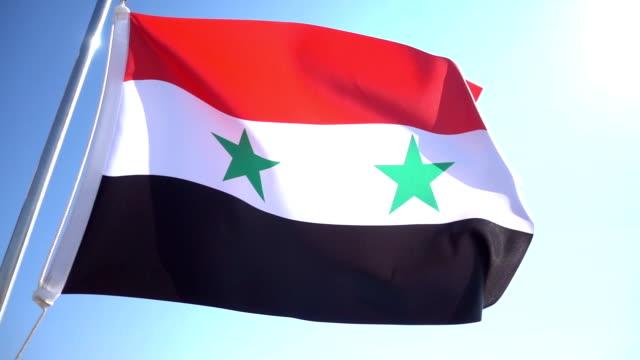
Russia, Turkey and Iran have agreed to continue cooperation aimed at eliminating terrorists of the ISIS and Al-Nusra Front groups (outlawed in Russia) in Syria.
In their joint statement after the 15th international meeting on Syria in the Astana format, the sides "reiterated their determination to combat terrorism in all forms and manifestations and stand against separatist agendas aimed at undermining the sovereignty and territorial integrity of Syria as well as threatening the national security of neighboring countries."
The sides also agreed to continue cooperation in order to ultimately eliminate ISIS (outlawed in Russia), Al-Nusra Front and all other individuals, groups, undertakings and entities associated with Al-Qaeda (outlawed in Russia) or ISIS, and other terrorist groups, as designated by the UN Security Council, while ensuring the protection of civilians and civilian infrastructure in accordance with international humanitarian law."
Russia, Turkey and Iran expressed concern with the increasing hostilities against civilians in various parts of Syria. The sides "reviewed in detail the situation in the Idlib de-escalation area and highlighted the necessity to maintain calm on the ground by fully implementing all agreements on Idlib."
The three countries expressed serious concern with the increased presence and terrorist activity of Hayat Tahrir al·Sham (outlawed in Russia) and other affiliated terrorist groups as "designated by the UN Security Council that pose threat to civilians inside and outside the Idlib de-escalation area."
Idlib is the only Syrian region, which is mainly under control of armed groups of Syria’s opposition and Al-Nusra Front. A northern de-escalation zone was set up in Idlib in 2017 to give shelter to militants from other Syrian regions who had refused to surrender arms.
The 15th international meeting on Syria in the Astana format (Russia, Turkey and Iran) is held in Russia’s Black Sea resort of Sochi on February 16-17. The previous round of Astana talks took place in Nur-Sultan in December 2019.


 Latest news
Latest news
Latest newsPutin Authorizes Temporary State Management of Critical Infrastructure Vulnerable to Drone Attacks
24.Aug.2026
The United States Rapidly Expands Missile Production: Pentagon Accelerates Output of Tomahawks and Other Critical Weapons
24.Aug.2026
Record Supplies: Armenia Boosts Fish Exports to Georgia
23.Aug.2026
Political Battle During Wartime: Zelensky Opposes Elections
23.Aug.2026
Romania Approves Construction of One of the Largest Solar Power Plants in Europe
23.Aug.2026
Ex-Ukrainian Defence Minister Fails in Bid to Pressure Zelenskiy
22.Aug.2026
Upper Lars: Why Border Queues Have Become a Political Signal for Georgia and Russia
22.Aug.2026
Russia-Ukraine War: No Decisive Breakthrough on the Front and Intensifying Ukrainian Deep Strikes on Russia
21.Aug.2026
TRIPP, Peace, and a New Geopolitical Crossroads: How Armenia Has Changed One Year After Washington
20.Aug.2026
Tokayev Updates Kazakhstan Foreign Policy Concept: Astana Strengthens Its Strategic Multi Vector Approach
19.Aug.2026
Ukraine Turns Ground Robots into a New Tool in the Fight Against Russia
19.Aug.2026
Tehran Threatens a New Round of War After Talks With the US Collapse
18.Aug.2026
Drones Over Moldova: Accident or a New Threat to National Security?
17.Aug.2026
Spanish F-18 Fighter Jet Shoots Down Drone That Violated Romanian Airspace
17.Aug.2026
The Black Sea Becomes a Risk Zone: Can Turkiye Protect Key Trade Routes?
16.Aug.2026