
 20 Sep 2026









Ministry of Industry and Trade: U.S. sanctions to help Russia
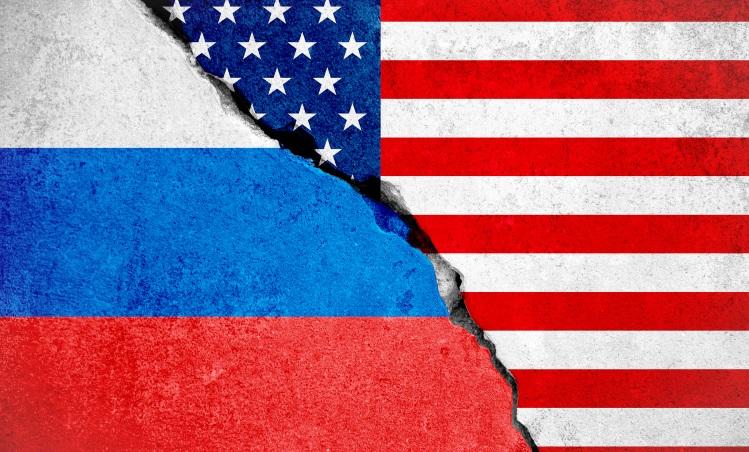
Russia's Ministry of Industry and Trade said the new U.S. anti-Russian sanctions, which entered into force on March 18, are promoting import substitution in domestic technological chains, RBC writes.
"The money for imports will stay in the country and will be used to pay the wages of employees and develop new technologies and industries," the ministry stressed.
The Ministry of Industry and Trade recalled that sanctions have been used as a lever of pressure for a long time, the West imposed sanctions against the USSR as well, "which did not prevent the country from developing." The ministry stressed that "the sanctions pressure did not start on March 2," when the administration of President Joe Biden announced the latest restrictions.
The Ministry of Industry and Trade of Russia prepared the first import substitution schedules against the background of Western sanctions in 2014, the task was to reduce the share of imported electronic component base in the Russian market from 82 to 44% by 2020. In addition, plans were approved for import substitution in such industries as civil aircraft construction, machine tool industry and the radio-electronic industry.
In the aviation industry, the share of imports was previously up to 78%, and now, "aircraft will be 98% Russian-made"
"The import substitution programs are being implemented in several stages during the period 2019-2023. The introduction of sanctions did not have a significant impact on the Russian helicopter industry," the Ministry of Industry and Trade said.
It is planned that GLONASS vehicles will be 100 percent Russian-made by 2025. Source - vestnikkavkaza.net


 Latest news
Latest news
Latest newsUS Sanctions Target Russias Main Pillar as Moscow Faces New Pressure on Oil Revenues
19.Sep.2026
Russia Begins State Duma Elections Amid War in Ukraine
18.Sep.2026
Bulgaria Strengthens Protection of Strategic Infrastructure Against Drones and Other Threats
18.Sep.2026
Georgia and Enka: How the Namakhvani Dispute Could Affect the Investment Climate
17.Sep.2026
Una Aleksandra Bērziņa-Čerenkova: After Russia’s Invasion, Latvia Began Banning Russian-Language Media
17.Sep.2026
Rainer Saks: Russia сould lose its influence in Armenia, just as it did in the Baltics
16.Sep.2026
Russian Drones Violated Moldovan Airspace Twice During Zelenskys Trips
16.Sep.2026
Operation Vivaldi: Ukraine Reports Advances Near Lyman as Fighting Intensifies
16.Sep.2026
Kazakhstan and South Korea Elevate Ties to Comprehensive Strategic Partnership
16.Sep.2026
Armenia Energy Diversification: Testing the Limits of Dependence on Russian Gas
15.Sep.2026
Tbilisi Distances Itself from Brussels as Kobakhidze Intensifies Criticism of European Policy
14.Sep.2026
Russia Fuel Crisis Gives the US a New Diplomatic Leverage Tool
14.Sep.2026
Trump Calls on Zelenskyy to Stop Strikes on Russian Oil Infrastructure
13.Sep.2026
Ukraine Expands Pressure on Russia’s Shadow Fleet: Moscow’s Oil Logistics Under Threat
13.Sep.2026
The Riga Conference: Europe Prepares for Long-Term Confrontation with Russia and Reshapes Its Security Architecture
12.Sep.2026