
 25 Aug 2026









Ankara, Tehran can boost energy cooperation after sanctions: Iran
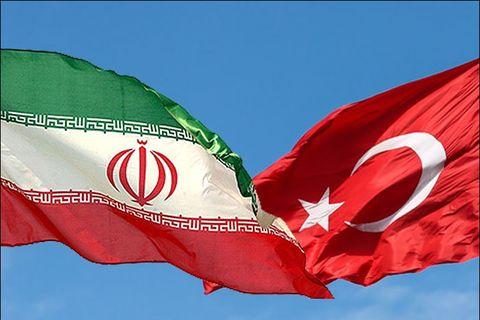
Turkish and Iranian energy companies can enter new markets if the U.S. sanctions are lifted and the Iran nuclear deal, called the Joint Comprehensive Plan of Action (JCPOA), is fully implemented, an Iranian official said Friday, Daily Sabah reports.
Reza Salehi, the chairperson of the Energy Commission of the Iranian Chamber of Commerce, said that Iranian economy would enter a new era once the nuclear agreement become operational after lagging behind for long years due to U.S. sanctions.
Salehi told Anadolu Agency (AA) that the government and private sector will launch measures to normalize trade with foreign countries, adding that the government also aims to increase the oil revenues in the first stage, which are blocked by world banks.
The Iranian official also said that the country will try to regain its place in the energy market and to prioritize oil-related projects.
“Energy supply to Europe via Turkey will be an important option. Turkey, with its pipeline infrastructure to the Black Sea and the Mediterranean, can strengthen gas and electricity cooperation with Iran. This situation also supports Turkey's aim of becoming a transit country in energy. Also, Turkish and Iranian energy companies can enter new markets by combining their technical and engineering capacities,” he said.
The 2015 nuclear deal delivered relief from U.N. and Western sanctions for Iran in return for strict curbs on the country's nuclear program. However, it has been slowly disintegrating since former U.S. President Donald Trump withdrew from it in 2018 and reimposed sanctions on Iran. That prompted Tehran to disregard several of the deal's limits on its nuclear activities.
The talks in Vienna to revive the deal have made little progress in recent weeks, and Iran's latest breach was reported by the International Atomic Energy Agency (IAEA) on Tuesday. Iran was intending to produce uranium metal enriched to 20%, it said, prompting the United States to respond by warning Iran to stop what it called its nuclear "brinksmanship".
Salehi said that re-entering oil market is vital for Tehran since the country derives most of its income from energy exports.
He also noted that consumers of Iranian oil, who switched to other sources after the U.S. sanctions, could return to Iranian oil two years at the earliest after lifting of the sanctions. “During this process, the Iranian government understood the significance of diversifying the economy. We will see the effects of this in the coming period,” he said.


 Latest news
Latest news
Latest newsPutin Authorizes Temporary State Management of Critical Infrastructure Vulnerable to Drone Attacks
24.Aug.2026
The United States Rapidly Expands Missile Production: Pentagon Accelerates Output of Tomahawks and Other Critical Weapons
24.Aug.2026
Record Supplies: Armenia Boosts Fish Exports to Georgia
23.Aug.2026
Political Battle During Wartime: Zelensky Opposes Elections
23.Aug.2026
Romania Approves Construction of One of the Largest Solar Power Plants in Europe
23.Aug.2026
Ex-Ukrainian Defence Minister Fails in Bid to Pressure Zelenskiy
22.Aug.2026
Upper Lars: Why Border Queues Have Become a Political Signal for Georgia and Russia
22.Aug.2026
Russia-Ukraine War: No Decisive Breakthrough on the Front and Intensifying Ukrainian Deep Strikes on Russia
21.Aug.2026
TRIPP, Peace, and a New Geopolitical Crossroads: How Armenia Has Changed One Year After Washington
20.Aug.2026
Tokayev Updates Kazakhstan Foreign Policy Concept: Astana Strengthens Its Strategic Multi Vector Approach
19.Aug.2026
Ukraine Turns Ground Robots into a New Tool in the Fight Against Russia
19.Aug.2026
Tehran Threatens a New Round of War After Talks With the US Collapse
18.Aug.2026
Drones Over Moldova: Accident or a New Threat to National Security?
17.Aug.2026
Spanish F-18 Fighter Jet Shoots Down Drone That Violated Romanian Airspace
17.Aug.2026
The Black Sea Becomes a Risk Zone: Can Turkiye Protect Key Trade Routes?
16.Aug.2026