
 14 Jul 2026









Why are gas prices so high?
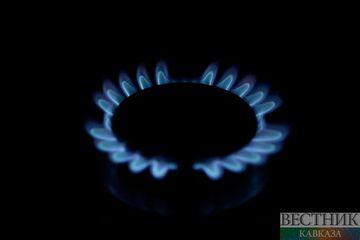
Gas prices are soaring and reserves are dwindling all over the world, but is this caused by Covid-19, climate instability or supply chain problems? Investment Monitor tries to answer the question.
The price of natural gas has skyrocketed on global markets throughout September and October. Geopolitics, macroeconomic trends and climate instability have met with a brittle global supply chain to produce an unprecedented mismatch between supply and demand. The sudden halt to global economic activity due to Covid-19 in early 2020 led to the accumulation of enormous gas reserves in Europe.
Are high gas prices here to stay?
Events since then, however, have depleted these reserves much faster than anticipated. Asia’s unexpectedly rapid economic recovery in mid-2020 was followed by an unusually cold winter, leading to a sharp rise in gas prices on the continent and a draw-down on European reserves to feed the extra demand. In 2021, a hot summer has led to further unexpected demand from Asia. As well as increasing demand for electricity to power air conditioning, the heat has coincided with a drought in China – limiting hydropower capacity and pushing the country towards an even greater reliance on gas, a problem exacerbated by the country’s efforts to move away from coal.
A simultaneous drought in Latin America has had similar effects, further squeezing global gas supplies, while low wind speeds in Europe have reduced output from wind farms. Meanwhile, supply-side issues have slowly accumulated. Exports of natural gas are down by more than 25% in Italy and the Netherlands in 2021, according to the International Energy Agency, while a severe shortage of truck drivers in the UK has left the country’s army to take up the task of fuel distribution. Although Russia might have been expected to take advantage of the high prices by flooding the European market, it has chosen not to do so. Speculation has abounded that the country’s government is keen to up the pressure on Europe to advance the Nord Stream 2 pipeline.
How will the EU resolve its gas problem?
With a cold winter expected in the months ahead, the EU, and Germany in particular, is in the troubling position of having gas reserves significantly below their usual level. There is likely to be no quick fix to the sector’s current supply constraints. Construction of new facilities and expansion of existing ones takes years. Despite evidence of a recent hiring spree in the sector, global gas supplies are expected to grow by just 1.6% in 2022 and less than 0.7% annually for the three years after that, according to figures from GlobalData.
The typical response of markets in such a situation would be to fall back on coal as a substitute, but coal has been hit by a similar price surge. The price of coal has nearly doubled since January 2020, according to data from the International Monetary Fund. Analysts expect the price of coal to fall in the coming months. If it does, the result could be a damaging increase in global greenhouse gas emissions. Coal emits nearly twice as much carbon dioxide per energy unit as natural gas, according to the US Energy Information Administration.
With politicians converging on Glasgow for the COP26 international climate conference at the end of October, the global energy crisis is likely to weigh heavily on the minds of those sketching out a transition to net zero.


 Latest news
Latest news
Latest newsUS Ready to Lift Sanctions on Turkiye and Restore Its Participation in the F-35 Program
09.Jul.2026
Trump Announces Transfer of License to Ukraine for Patriot Interceptor Missile Production
09.Jul.2026
The NATO Summit in Ankara Marked a New Stage in the Alliance's Transformation
08.Jul.2026
The war in Ukraine - the “liberation of Novorossiya” is a mission impossible
07.Jul.2026
Ursula von der Leyen's Visits to Baku and Yerevan Signal Brussels' New Strategy
07.Jul.2026
Putin's Approval Ratings Decline as Russians Grow Increasingly Concerned About the Economy and the War
06.Jul.2026
Erdogan and Radev Discuss Black Sea Security and Defense Cooperation
06.Jul.2026
OPEC+ Accelerates Output Recovery as Kazakhstan Increases Oil Production from August
05.Jul.2026
Georgia and Uzbekistan Elevate Relations to Strategic Partnership
05.Jul.2026
Iran Turns Khamenei Funeral into a Show of Strength as Week-Long National Mourning Begins
04.Jul.2026