
 14 Jul 2026









European Union facing bankruptcy?
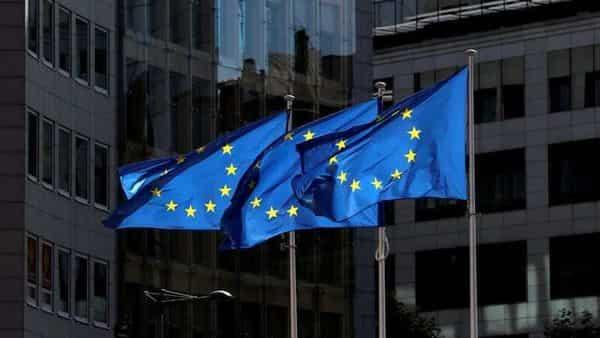
The wrong response to overcome the energy crisis could bankrupt European countries, The Economist writes.
Russia said it will shut down its Nord Stream pipeline for as long as Western sanctions are in place, sending benchmark gas prices surging by another 30%; they currently stand at the equivalent of around $400 for a barrel of oil. At today’s futures prices, annual spending on electricity and gas by consumers and firms across the European Union could rise to a staggering €1.4trn, up from €200bn in recent years, reckons Morgan Stanley, a bank.
Just as when the pandemic struck, governments are reacting with a mad scramble of handouts and interventions. The economics textbooks are being ripped up and the sums are vast. Germany is spending a further €65bn ($65bn, or 1.8% of gdp) on measures including a price cap for a basic amount of electricity for households and firms. The UK unveiled a plan to freeze prices for two years, which could cost more than £100bn ($115bn, or 4.3% of gdp), and will be financed through borrowing.
"But in their haste to act, governments must not throw economic logic and prudence out of the window," The Economist. urges.
The most popular tactic - retail energy-price freezes, like those in France - are superficially tempting. They are easy to understand and bring down measured inflation, which might ease some of the pressure on central banks to raise interest rates. But they have huge drawbacks, too.
If prices are capped, demand for energy will remain too high, delaying the crucial adjustment that needs to take place to a world where gas is no longer as cheap. You can already see the evidence for this: higher prices meant that Germans consumed nearly 10% less natural gas in the first half of this year compared with a year earlier. And it may prove politically impossible to end price freezes once they are in place.
Instead of fixing prices there is a better approach. Governments should offer households relief through lump-sum cash rebates on bills, possibly disbursed via utilities firms. This would protect living standards while leaving markets to set the incentive to curb energy use. For the poorest, for whom energy bills eat up as much as a sixth of total spending, rebates will need to be supplemented with other benefit payments.
Rebates and temporary loans are the way to help the economy, then. But how on earth should governments pay for them? The cost will be enormous and come after huge pandemic bail-outs. Europe, including Britain, is spending at least €450bn fighting the energy shock, even before winter has struck. The temptation is to finance the spending through even more borrowing. But wider deficits in a time of inflation will force central banks to raise interest rates even higher, making it more expensive for governments to service their debts.
Keeping the market mechanism is essential in order to incentivise investment in new capacity and innovation in energy storage such as batteries. But it makes sense to shift more of the energy system away from spot prices to long-term contracts, especially as cheap wind power is a growing share of production. The wrong response could bankrupt governments and trap Europe’s power industry in the past.


 Latest news
Latest news
Latest newsUS Ready to Lift Sanctions on Turkiye and Restore Its Participation in the F-35 Program
09.Jul.2026
Trump Announces Transfer of License to Ukraine for Patriot Interceptor Missile Production
09.Jul.2026
The NATO Summit in Ankara Marked a New Stage in the Alliance's Transformation
08.Jul.2026
The war in Ukraine - the “liberation of Novorossiya” is a mission impossible
07.Jul.2026
Ursula von der Leyen's Visits to Baku and Yerevan Signal Brussels' New Strategy
07.Jul.2026
Putin's Approval Ratings Decline as Russians Grow Increasingly Concerned About the Economy and the War
06.Jul.2026
Erdogan and Radev Discuss Black Sea Security and Defense Cooperation
06.Jul.2026
OPEC+ Accelerates Output Recovery as Kazakhstan Increases Oil Production from August
05.Jul.2026
Georgia and Uzbekistan Elevate Relations to Strategic Partnership
05.Jul.2026
Iran Turns Khamenei Funeral into a Show of Strength as Week-Long National Mourning Begins
04.Jul.2026