
 14 Jul 2026









Ukrainian Military Destroy Two Russian Be-12 Aircraft
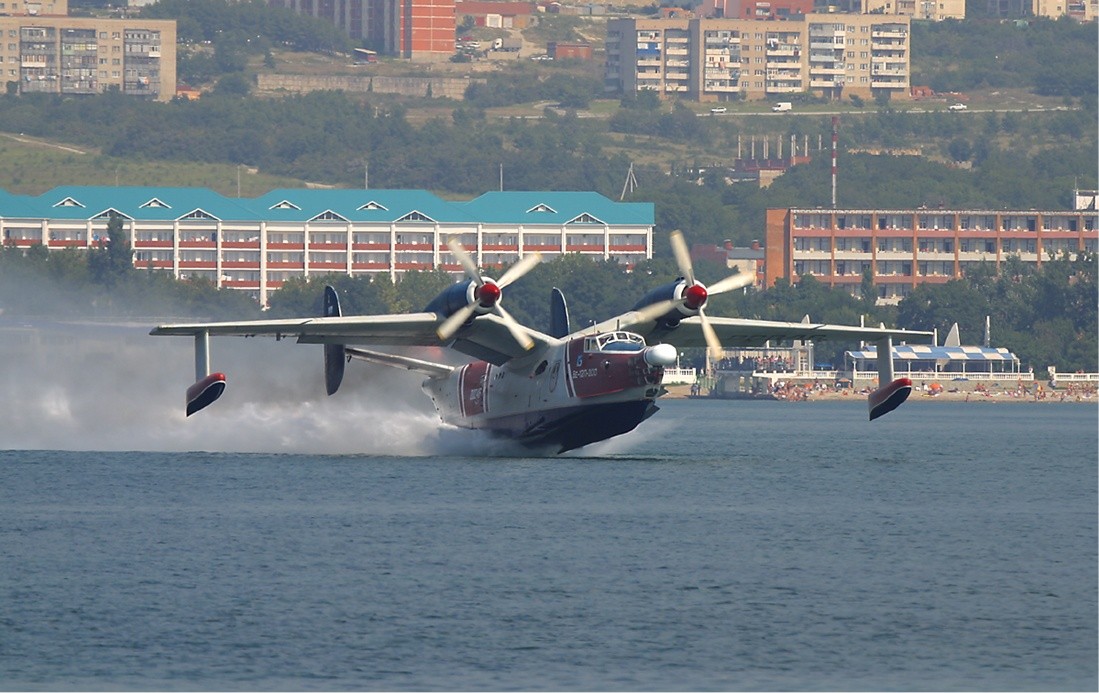
Ukrainian forces announced
that, for the first time in the history of the conflict, they destroyed two
Russian Be-12 “Chaika” amphibious aircraft. The strike was carried out in
occupied Crimea by the special unit “Ghosts” on Sunday. In addition, according
to their reports, a Mi-8 helicopter was also destroyed. This deals a blow to
Russia’s key capabilities in the Black Sea and shifts the balance of power in
the air-naval dimension of the conflict.
According to a statement from Ukraine’s Main Directorate of Intelligence, the Be-12 aircraft – used by Russia to search for and destroy Ukrainian naval drones – were struck in Crimea. It is claimed that this is the first confirmed destruction of a Be-12. Until now, no “Chaika” had ever been lost in combat, at least publicly.
These
aircraft were developed in the 1950s, first flew in 1960, and have been used
for patrol, anti-submarine warfare, surface surveillance, and – according to
Western assessments – for detecting naval drones.
For a
long time, the Be-12 was employed for reconnaissance, maritime patrols, and
tracking both drones and underwater threats. Their destruction may reduce the
effectiveness of such operations, at least temporarily.
The
fact that such an aircraft has been destroyed for the first time boosts the
morale of the Ukrainian armed forces and their supporters. It shows that even
rare, “exotic”, or outdated but still significant targets are not beyond reach.
As an
amphibious aircraft, the Be-12 can operate both from water and from land,
making it an important element of maritime route control and situational
awareness. The loss of such platforms may force Russia to reconsider patrol
routes, concealment measures, or protection tactics.
Ukrainian
naval drones are one of the key tools Ukraine actively employs to impact
Russia’s Black Sea Fleet and ports. The destruction of the Be-12s used to
counter these drones may increase Russia’s need to find alternative means of
detection and neutralization.
Apart
from the information that the strike was carried out by the “Ghosts” unit, few
details are known about how exactly the operation was organized, how many
personnel were involved, or what methods were used.
This
event represents a significant tactical and symbolic success for Ukraine and
its resistance. In major conflicts, such “firsts” are often important not so
much for their purely military value (as
the aircraft may be outdated and not particularly effective), but as a signal
that no target is “sacred”.
If
Russia stops using the Be-12 as a means of reconnaissance and naval drone
counteraction, it will have to either strengthen other surveillance systems (such as satellites, UAVs, and coastal
radars) or accept the heightened risk of drones penetrating its maritime space.
In the
long term, this may push both sides toward even more active use of autonomous
maritime and aerial systems, as well as the deployment of technologies capable
of countering “invisible” threats like drones, rather than relying solely on
traditional aircraft and ships.


 Latest news
Latest news
Latest newsUS Ready to Lift Sanctions on Turkiye and Restore Its Participation in the F-35 Program
09.Jul.2026
Trump Announces Transfer of License to Ukraine for Patriot Interceptor Missile Production
09.Jul.2026
The NATO Summit in Ankara Marked a New Stage in the Alliance's Transformation
08.Jul.2026
The war in Ukraine - the “liberation of Novorossiya” is a mission impossible
07.Jul.2026
Ursula von der Leyen's Visits to Baku and Yerevan Signal Brussels' New Strategy
07.Jul.2026
Putin's Approval Ratings Decline as Russians Grow Increasingly Concerned About the Economy and the War
06.Jul.2026
Erdogan and Radev Discuss Black Sea Security and Defense Cooperation
06.Jul.2026
OPEC+ Accelerates Output Recovery as Kazakhstan Increases Oil Production from August
05.Jul.2026
Georgia and Uzbekistan Elevate Relations to Strategic Partnership
05.Jul.2026
Iran Turns Khamenei Funeral into a Show of Strength as Week-Long National Mourning Begins
04.Jul.2026