
 14 Jul 2026









Azerbaijan Transfers Four Armenian Prisoners to Armenia Under Humanitarian Agreement
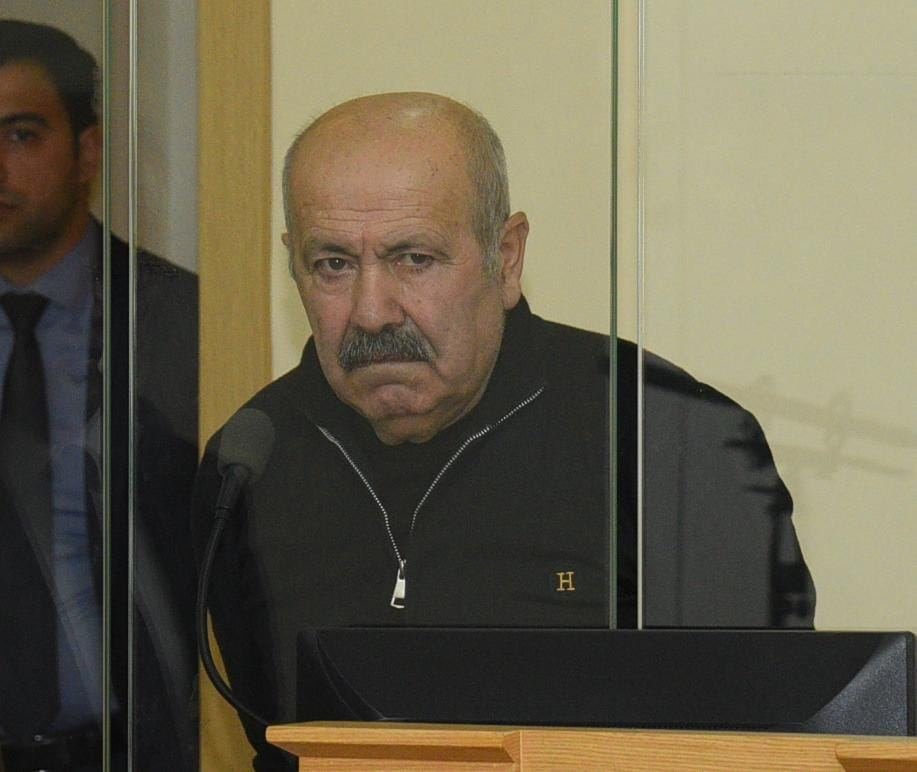
On
January 14, Azerbaijan transferred four ethnic Armenians, previously held in
the country’s correctional facilities, to the authorities of Armenia. The
transfer took place within the framework of humanitarian agreements between
Baku and Yerevan and was carried out with the participation of official
representatives from both sides. According to the Armenian government, all
transferred individuals were brought to Armenian territory and underwent an
initial medical examination, which determined that their condition is
satisfactory, with no threat to life or health.
The individuals in question are Vagif Khachatryan, Gevorg Sudzhyan, David Davtyan, and Vigen Euldzekdjyan. They were convicted by Azerbaijani courts in different years on charges related to the Nagorno-Karabakh conflict, including illegal border crossing, participation in combat operations, and other criminal offenses. The Azerbaijani side has consistently emphasized that these individuals were not considered prisoners of war but were processed under criminal cases in accordance with national legislation. Nevertheless, their transfer was carried out as a humanitarian gesture, without altering Baku’s legal positions regarding each individual case.

The transfer itself fits into the broader context of
gradual measures aimed at reducing tension between Azerbaijan and Armenia
following the military phase of the conflict. In recent months, despite ongoing
disagreements over a peace treaty, border delimitation, and communications, the
parties have occasionally resorted to targeted humanitarian actions, which are
seen as tools to build a minimal level of trust. In this sense, the transfer of
prisoners signals Baku’s willingness to demonstrate flexibility on the
humanitarian track without linking such decisions directly to political
concessions.
For the Armenian authorities, the return of the four citizens
carries significant domestic political weight, as the issue of Armenians held
in Azerbaijan remains sensitive to public opinion. Prime Minister Nikol
Pashinyan publicly confirmed that the transferred individuals have no serious
health problems and emphasized that efforts to return the remaining detainees
will continue through diplomatic channels. At the same time, Yerevan recognizes
that future similar steps will depend not only on humanitarian considerations
but also on the overall progress of negotiations with Baku.
From a regional political perspective, this episode is also being closely monitored by international actors, including the EU and the United States, which consistently call on both sides to undertake humanitarian gestures and strengthen confidence-building measures. However, experts note that, despite its positive symbolism, the transfer of four individuals does not represent an automatic breakthrough in the peace process. Rather, it confirms the tendency to use humanitarian initiatives as one of the few working channels of interaction between Baku and Yerevan amid ongoing structural disagreements.


 Latest news
Latest news
Latest newsUS Ready to Lift Sanctions on Turkiye and Restore Its Participation in the F-35 Program
09.Jul.2026
Trump Announces Transfer of License to Ukraine for Patriot Interceptor Missile Production
09.Jul.2026
The NATO Summit in Ankara Marked a New Stage in the Alliance's Transformation
08.Jul.2026
The war in Ukraine - the “liberation of Novorossiya” is a mission impossible
07.Jul.2026
Ursula von der Leyen's Visits to Baku and Yerevan Signal Brussels' New Strategy
07.Jul.2026
Putin's Approval Ratings Decline as Russians Grow Increasingly Concerned About the Economy and the War
06.Jul.2026
Erdogan and Radev Discuss Black Sea Security and Defense Cooperation
06.Jul.2026
OPEC+ Accelerates Output Recovery as Kazakhstan Increases Oil Production from August
05.Jul.2026
Georgia and Uzbekistan Elevate Relations to Strategic Partnership
05.Jul.2026
Iran Turns Khamenei Funeral into a Show of Strength as Week-Long National Mourning Begins
04.Jul.2026