
 14 Jul 2026









Strike on Iran’s Energy Heart: What the U.S. Attack on Kharg Island Means
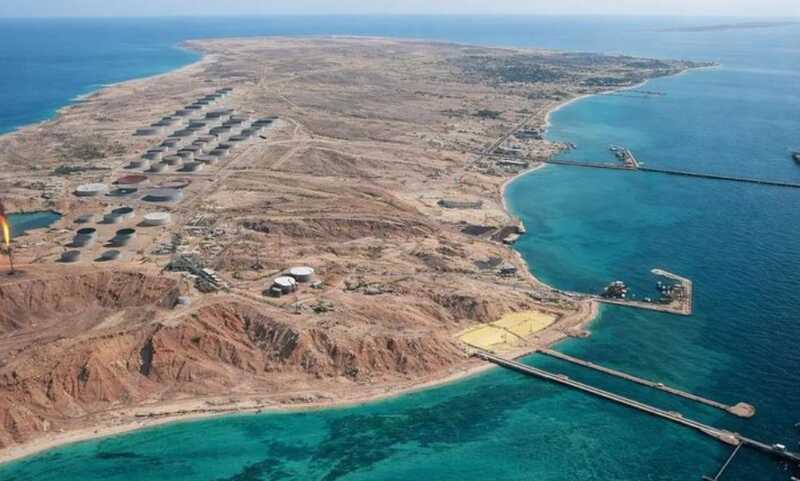
The USA has carried out a large-scale airstrike on Iran’s Kharg Island — the country’s key oil export hub in the Persian Gulf. The attack has become one of the most significant operations amid the current escalation in the Middle East and has highlighted the strategic importance of energy infrastructure in the modern conflict between Iran and its adversaries.
According to the U.S. Central Command (CENTCOM), the strikes targeted more than 90 military facilities on the island. Among the targets were naval mine depots, missile bunkers, air defense systems, and infrastructure used by naval units. Officials in Washington stated that the operation was designed to neutralize Iran’s military capabilities on the island while deliberately avoiding direct strikes on the oil terminals themselves.
Kharg Island lies approximately 25 kilometers off the Iranian coast and serves as the country’s main oil export hub. Around 90% of Iran’s oil exports pass through its terminals. The island hosts extensive storage and loading infrastructure, including tanks with a capacity of about 30 million barrels, deep-water berths capable of accommodating some of the world’s largest oil tankers, and a pipeline network connecting Kharg to major oil fields on the Iranian mainland. Industry analysts estimate that about 18 million barrels of oil were stored in the island’s tanks at the beginning of March.
Although U.S. officials stressed that the oil terminals were not the direct target of the strikes, the attack on Kharg carries significant symbolic and strategic implications. In effect, Washington has demonstrated its ability to quickly disable key elements of Iran’s export infrastructure. Should the island’s terminals be damaged or blocked, the global market could lose up to two million barrels of oil per day — a volume capable of significantly affecting global energy prices.
According to Iranian sources, a series of powerful explosions was heard across the island during the nighttime attack, after which thick smoke rose over the area. Reports indicate damage to military facilities and support infrastructure, including air defense systems and parts of a naval base. At the same time, the full scale of the damage remains unclear, and Iranian authorities have not yet released detailed information about the consequences of the strike.
U.S. President Donald Trump stated that American forces had “completely destroyed military targets” on the island and warned that Iran’s energy infrastructure could become the next target if attacks on international shipping in the Strait of Hormuz continue. Analysts view this statement as part of a broader strategy of pressure on Tehran aimed at limiting its ability to use energy resources as a geopolitical tool.
The strike on Kharg comes amid rising tensions around the Strait of Hormuz, one of the world’s most important energy routes, through which roughly one-fifth of global oil supplies pass. Any escalation in this area immediately affects international markets, as even short-term disruptions can trigger sharp increases in oil prices and contribute to instability in the global economy.
Experts note that the attack on Kharg Island carries not only military but also geoeconomic significance. In recent years, Iran has managed to partially restore its oil exports despite sanctions, and most of these shipments have been carried out through Kharg’s terminals, primarily bound for China and other Asian markets. Consequently, even limited disruption to the island’s operations could significantly reduce Tehran’s oil revenues and intensify economic pressure on the country. In a broader context, the operation reflects the evolving nature of modern conflicts, in which strikes on energy infrastructure have become a key instrument of strategic leverage. Control over oil flows and transport routes remains one of the central elements of geopolitical competition in the Persian Gulf region. For this reason, the future of Kharg Island and the security of navigation through the Strait of Hormuz will be critical not only for Iran but also for the global energy market.


 Latest news
Latest news
Latest newsUS Ready to Lift Sanctions on Turkiye and Restore Its Participation in the F-35 Program
09.Jul.2026
Trump Announces Transfer of License to Ukraine for Patriot Interceptor Missile Production
09.Jul.2026
The NATO Summit in Ankara Marked a New Stage in the Alliance's Transformation
08.Jul.2026
The war in Ukraine - the “liberation of Novorossiya” is a mission impossible
07.Jul.2026
Ursula von der Leyen's Visits to Baku and Yerevan Signal Brussels' New Strategy
07.Jul.2026
Putin's Approval Ratings Decline as Russians Grow Increasingly Concerned About the Economy and the War
06.Jul.2026
Erdogan and Radev Discuss Black Sea Security and Defense Cooperation
06.Jul.2026
OPEC+ Accelerates Output Recovery as Kazakhstan Increases Oil Production from August
05.Jul.2026
Georgia and Uzbekistan Elevate Relations to Strategic Partnership
05.Jul.2026
Iran Turns Khamenei Funeral into a Show of Strength as Week-Long National Mourning Begins
04.Jul.2026