
 14 Jul 2026









US Sends Envoys to Islamabad as Iran Rejects Direct Talks
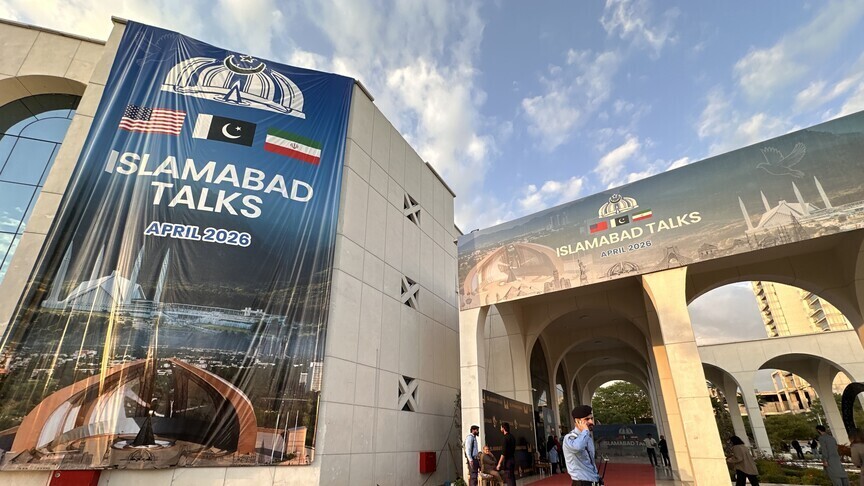
The
United States is sending its negotiators to Islamabad in an effort to revive
dialogue with Iran, but Tehran has already made its position clear: there will
be no direct contact with the American delegation, and any interaction will
take place exclusively through intermediaries, primarily Pakistan.
The US side will be represented by Special Envoy Steve
Witkoff and Jared Kushner, acting on behalf of Donald Trump’s administration.
Iran, for its part, has already dispatched Foreign Minister Abbas Araghchi to
Pakistan, though his mission is largely consultative: he intends to discuss the
parameters of a potential settlement with mediators and partners, including
during subsequent visits to Oman and Russia.
The central intrigue of the process lies in the fact that
while the parties formally remain in contact, they are effectively avoiding
direct dialogue. Iran emphasizes that it sees no conditions for face-to-face
talks with the United States, accusing Washington of violating previous
agreements and pursuing “maximalist demands”. The US, in contrast, signals its
readiness to maintain pressure, hoping to force Tehran into concessions through
a combination of diplomacy and coercive measures.
The broader context remains highly tense. The conflict,
ongoing since late February, has already resulted in significant losses and
destabilized energy markets. Iran has restricted traffic through the Strait of
Hormuz — a critical artery for global oil trade — while the United States has
imposed a de facto maritime blockade, extending control over shipping far
beyond the immediate region. This has driven up oil prices and heightened fears
of a global economic crisis.
A previous round of talks in Islamabad, despite high-level
participation, ended without results. Key disagreements persist, including
Iran’s nuclear program, the sanctions regime, and control over the Strait of
Hormuz. Even when the sides moved toward direct engagement, compromise proved
unattainable, as each effectively demanded strategic concessions from the
other.
The current model of indirect negotiations via Pakistan reflects a deterioration in the diplomatic process: instead of attempting a breakthrough, the sides are reverting to a more cautious format that reduces political risks but sharply limits the chances of a rapid outcome. This is typical of protracted conflicts, where participants are willing to “talk” but not to shift their positions.

A US delegation led by Vance is heading
to Islamabad for talks with Iran
Pakistan’s role has taken on particular importance,
effectively positioning it as the key mediator and venue for contacts. For
Islamabad, this presents an opportunity to strengthen its international
standing, but also poses a serious domestic challenge: the capital is already
operating under heightened security measures and near-lockdown conditions in
anticipation of the talks.
From an analytical perspective, the current phase can be described as a diplomatic stalemate with elements of managed escalation. The United States is intensifying pressure in hopes of economically and militarily exhausting Iran, while Tehran is betting on prolonging the process and avoiding direct talks to avoid appearing to concede. At the same time, the very existence of communication channels — even indirect ones — suggests that neither side is yet prepared for full-scale escalation. However, without changes to the fundamental conditions — particularly on sanctions and security in the Persian Gulf — the talks risk remaining a tool of political maneuvering rather than a genuine mechanism for resolution.
Expert in the field of history and international relations
Dr. Biser Banchev


 Latest news
Latest news
Latest newsUS Ready to Lift Sanctions on Turkiye and Restore Its Participation in the F-35 Program
09.Jul.2026
Trump Announces Transfer of License to Ukraine for Patriot Interceptor Missile Production
09.Jul.2026
The NATO Summit in Ankara Marked a New Stage in the Alliance's Transformation
08.Jul.2026
The war in Ukraine - the “liberation of Novorossiya” is a mission impossible
07.Jul.2026
Ursula von der Leyen's Visits to Baku and Yerevan Signal Brussels' New Strategy
07.Jul.2026
Putin's Approval Ratings Decline as Russians Grow Increasingly Concerned About the Economy and the War
06.Jul.2026
Erdogan and Radev Discuss Black Sea Security and Defense Cooperation
06.Jul.2026
OPEC+ Accelerates Output Recovery as Kazakhstan Increases Oil Production from August
05.Jul.2026
Georgia and Uzbekistan Elevate Relations to Strategic Partnership
05.Jul.2026
Iran Turns Khamenei Funeral into a Show of Strength as Week-Long National Mourning Begins
04.Jul.2026