
 14 Jul 2026









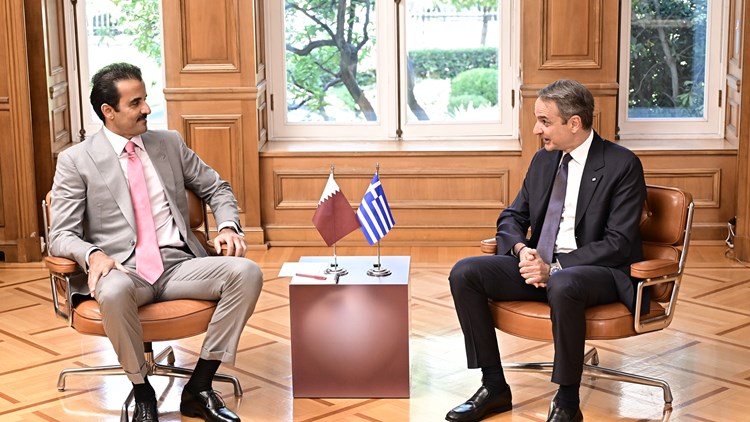
Athens and Doha Expand Strategic Partnership Amid Energy and Security Realignments
Greece
and Qatar have agreed to expand
their cooperation across several strategically important areas — energy,
trade, and defence. Essentially, this is not merely a political rapprochement
but the formation of a more stable economic and strategic partnership in which
Doha is viewed as one of the key investors in Greek infrastructure. Particular
emphasis has been placed on potential investments in transport projects, energy
facilities, and logistics hubs, which aligns with Athens’ broader strategy of
attracting capital from Gulf countries to accelerate economic modernisation.
The energy component of the cooperation appears to be the
most sensitive, given Qatar’s role as one of the world’s largest exporters of
liquefied natural gas. For Greece, this could mean strengthened energy security
and diversification of supply sources, which is especially important amid
global market instability and the ongoing transformation of Europe’s energy
mix. In the trade and investment dimension, the focus is on expanding the
presence of Qatari funds in the Greek economy, primarily in infrastructure,
real estate, and strategic sectors where Athens has traditionally sought
external financing.
The defence aspect of the agreements is also significant,
reflecting a broader trend of strengthening ties between Europe and Gulf states
in the context of a changing security architecture. For Greece, this also fits
into its long-term strategy of reinforcing its position in the Eastern
Mediterranean and balancing regional risks.
At the same time, discussions in Athens regarding the
future of European defence policy are intensifying. Greece supports the idea of
a more active role for the European Union in security affairs, including the
development of autonomous defence capabilities and deeper coordination among
member states. In this context, particular importance is attached to
cooperation with France, which is one of the main proponents of strengthening
the EU’s strategic autonomy and already maintains bilateral defence agreements
with Greece.
Taken together, these developments reflect Athens’ attempt
to simultaneously strengthen external investment ties outside the EU and enhance
its influence within the European security architecture, pursuing a more
flexible and multi-vector foreign policy in the context of growing geopolitical
competition in the region.
Researcher and consultant,
Nicholas Georgiou


 Latest news
Latest news
Latest newsUS Ready to Lift Sanctions on Turkiye and Restore Its Participation in the F-35 Program
09.Jul.2026
Trump Announces Transfer of License to Ukraine for Patriot Interceptor Missile Production
09.Jul.2026
The NATO Summit in Ankara Marked a New Stage in the Alliance's Transformation
08.Jul.2026
The war in Ukraine - the “liberation of Novorossiya” is a mission impossible
07.Jul.2026
Ursula von der Leyen's Visits to Baku and Yerevan Signal Brussels' New Strategy
07.Jul.2026
Putin's Approval Ratings Decline as Russians Grow Increasingly Concerned About the Economy and the War
06.Jul.2026
Erdogan and Radev Discuss Black Sea Security and Defense Cooperation
06.Jul.2026
OPEC+ Accelerates Output Recovery as Kazakhstan Increases Oil Production from August
05.Jul.2026
Georgia and Uzbekistan Elevate Relations to Strategic Partnership
05.Jul.2026
Iran Turns Khamenei Funeral into a Show of Strength as Week-Long National Mourning Begins
04.Jul.2026