
 14 Jul 2026









OTS Summit in Turkestan: The Turkic World Seeks Its Own Path to Digital Integration
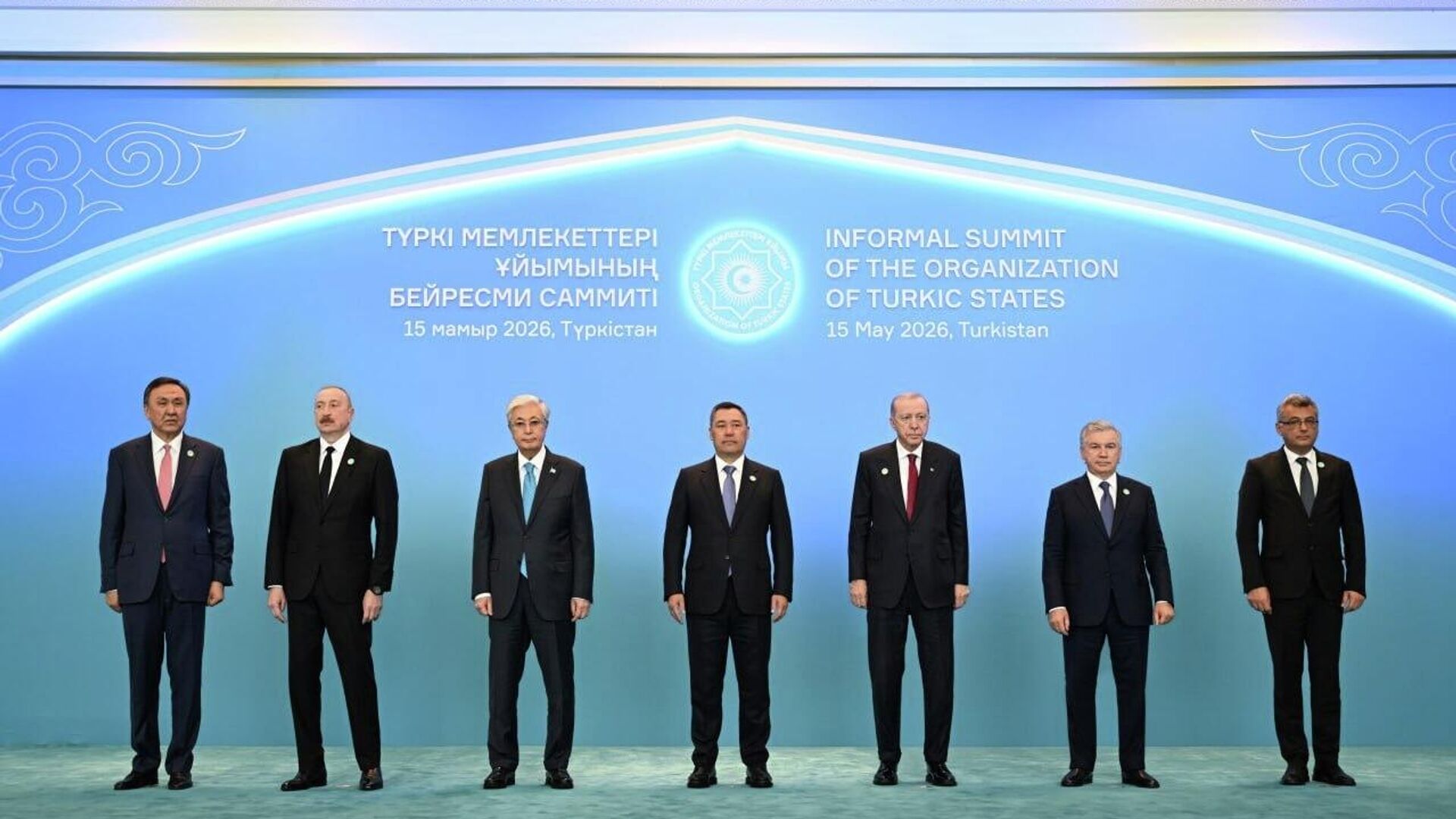
The informal summit of the Organization of Turkic States (OTS), held in Turkestan, became more than just another meeting of Turkic leaders. It represented an attempt to shape a new model of regional cooperation focused on artificial intelligence, the digital economy, and technological independence.
The presidents of Kazakhstan, Azerbaijan, Turkiye, Uzbekistan, and Kyrgyzstan took part in the event. The main topic of the forum was the development of artificial intelligence and digital transformation within the Turkic world. In many ways, the OTS countries are now moving toward a process similar to what the European Union once experienced — the creation of a common technological and economic space.
President Kassym-Jomart Tokayev stated that the world has entered an era of global digital competition, where countries without their own technologies risk becoming dependent on external powers. Against this backdrop, the OTS aims to combine the scientific, logistical, and human resources of the region.
Today, the Organization of Turkic States is increasingly compared to the early stages of the European Union. Just as the EU gradually evolved beyond cultural and political cooperation into economic integration, the OTS is beginning to follow a similar path. However, while European integration once started with coal and steel, the Turkic world is placing its bets on digital technologies, transport corridors, and artificial intelligence.
Special attention at the summit was given to the creation of joint digital platforms, the development of data centers, e-government systems, and AI technologies in Turkic languages. This includes machine translation, speech recognition, and national language models. For OTS countries, this is particularly important because most global AI services today are primarily designed for English and other major world languages.
The economic dimension is also crucial. The combined population of OTS member states exceeds 170 million people, while geographically the organization connects Europe, the Caucasus, Central Asia, and the Middle East. This makes the Turkic region an important transport and logistics bridge between China and Europe.
Unlike the European Union, where integration developed over decades through unified legislation and supranational institutions, the OTS remains a more flexible platform. Nevertheless, analysts believe the organization is steadily expanding its influence. Joint investment mechanisms are already being developed, the Turkic Investment Fund is growing, and discussions on common digital standards are underway.
At the same time, OTS countries are trying to maintain a balance between East and West. Turkiye remains a NATO member, Kazakhstan and Kyrgyzstan are closely linked to the Eurasian Economic Union, while Azerbaijan actively cooperates with Europe in the energy sector. As a result, the organization is attempting to build its own model of multi-vector integration without rigid political centralization.
The summit in Turkestan demonstrated that Turkic states increasingly view technology as the foundation of their future influence. While the OTS was once perceived mainly as a cultural alliance, it is now increasingly speaking the language of economics, digitalization, and geopolitics.
Amid the global race for artificial intelligence, the Turkic world seeks not to remain merely a market for foreign technologies, but to become an independent technological center of Eurasia.


 Latest news
Latest news
Latest newsUS Ready to Lift Sanctions on Turkiye and Restore Its Participation in the F-35 Program
09.Jul.2026
Trump Announces Transfer of License to Ukraine for Patriot Interceptor Missile Production
09.Jul.2026
The NATO Summit in Ankara Marked a New Stage in the Alliance's Transformation
08.Jul.2026
The war in Ukraine - the “liberation of Novorossiya” is a mission impossible
07.Jul.2026
Ursula von der Leyen's Visits to Baku and Yerevan Signal Brussels' New Strategy
07.Jul.2026
Putin's Approval Ratings Decline as Russians Grow Increasingly Concerned About the Economy and the War
06.Jul.2026
Erdogan and Radev Discuss Black Sea Security and Defense Cooperation
06.Jul.2026
OPEC+ Accelerates Output Recovery as Kazakhstan Increases Oil Production from August
05.Jul.2026
Georgia and Uzbekistan Elevate Relations to Strategic Partnership
05.Jul.2026
Iran Turns Khamenei Funeral into a Show of Strength as Week-Long National Mourning Begins
04.Jul.2026