
 14 Jul 2026









Pakistan Delivers Iran’s Revised Proposal to the US to End the War
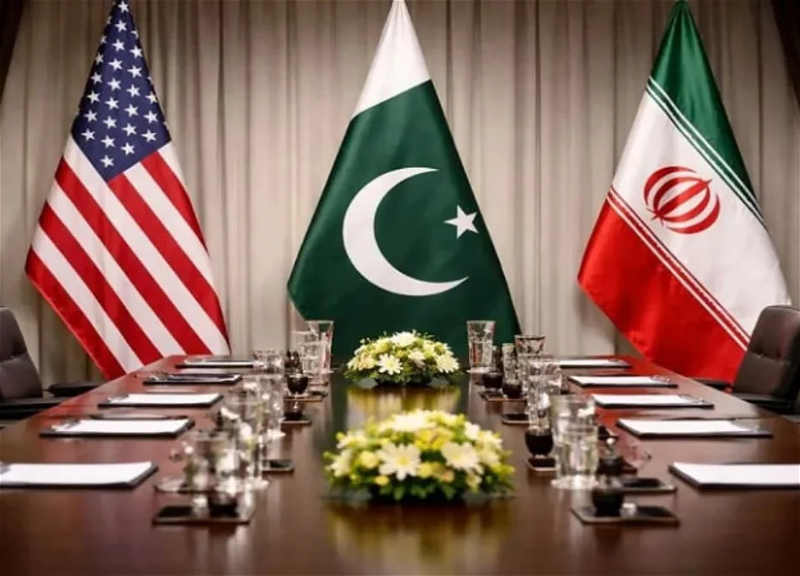
Pakistan has delivered Iran’s revised proposal to the United States aimed at ending the war in the Middle East, Reuters reported, citing diplomatic sources in Islamabad. Amid continuing instability across the region, Pakistan is gradually emerging as one of the main intermediaries between Washington and Tehran, as direct communication between the two sides remains extremely limited.
The new version of the Iranian proposal largely repeats earlier initiatives that had already been discussed, but includes several important adjustments. Tehran is seeking gradual de-escalation and stabilization around the Strait of Hormuz — one of the world’s most critical oil trade routes. In return, Iran is offering guarantees for maritime security and a reduction in military activity across the region.
At the same time, the Iranian side is insisting on partial sanctions relief. This primarily concerns the temporary easing of restrictions on Iran’s oil sector and the unfreezing of part of the country’s overseas assets. Meanwhile, the issue of Iran’s nuclear program is proposed to be excluded from the initial agreement and discussed separately at a later stage. This approach suggests that Tehran is currently prioritizing the reduction of military and economic pressure, recognizing that a comprehensive agreement with the United States is virtually unattainable under current conditions.
Washington is treating the initiative cautiously. The US administration fears that Iran is attempting to secure economic concessions without making serious commitments regarding its nuclear program and regional policies. For the United States, the key conditions remain limiting Iran’s nuclear capabilities, ending support for allied armed groups across the Middle East, and guaranteeing freedom of navigation through the Strait of Hormuz. Internal divisions also persist within the American leadership: some policymakers favor limited de-escalation in order to stabilize global energy markets, while more hardline figures advocate increasing pressure on Tehran.
Pakistan’s growing role as a mediator also reflects broader shifts in regional diplomacy. Islamabad has traditionally avoided direct involvement in conflicts between Iran and the United States, but the current crisis provides an opportunity to strengthen its international standing. For Pakistan, the situation carries direct strategic importance: further escalation threatens the country’s energy security, increases risks along the Iran-Pakistan border, and could negatively affect Chinese infrastructure projects in the region.
Despite ongoing negotiations, the overall situation remains highly tense. The ceasefire reached after several weeks of hostilities remains fragile, and any new provocation could trigger another large-scale escalation. Particular concern surrounds the Strait of Hormuz, where any disruption to oil shipments could lead to a sharp rise in global energy prices and serious consequences for the world economy.
An additional source of pressure remains Israel’s position. Israeli officials remain deeply skeptical of any attempts to ease sanctions on Iran, fearing that a pause in the conflict would allow Tehran to rebuild its military capabilities and strengthen its regional influence.
As a result, the current negotiations increasingly resemble not preparations for a comprehensive peace agreement, but rather an attempt to create a temporary containment mechanism capable of preventing another major war in the Middle East, at least in the short term.


 Latest news
Latest news
Latest newsUS Ready to Lift Sanctions on Turkiye and Restore Its Participation in the F-35 Program
09.Jul.2026
Trump Announces Transfer of License to Ukraine for Patriot Interceptor Missile Production
09.Jul.2026
The NATO Summit in Ankara Marked a New Stage in the Alliance's Transformation
08.Jul.2026
The war in Ukraine - the “liberation of Novorossiya” is a mission impossible
07.Jul.2026
Ursula von der Leyen's Visits to Baku and Yerevan Signal Brussels' New Strategy
07.Jul.2026
Putin's Approval Ratings Decline as Russians Grow Increasingly Concerned About the Economy and the War
06.Jul.2026
Erdogan and Radev Discuss Black Sea Security and Defense Cooperation
06.Jul.2026
OPEC+ Accelerates Output Recovery as Kazakhstan Increases Oil Production from August
05.Jul.2026
Georgia and Uzbekistan Elevate Relations to Strategic Partnership
05.Jul.2026
Iran Turns Khamenei Funeral into a Show of Strength as Week-Long National Mourning Begins
04.Jul.2026