
 28 Aug 2026









Kazakhstan Closes the Era of Bicameral Parliament as Senate Holds Its Final Session
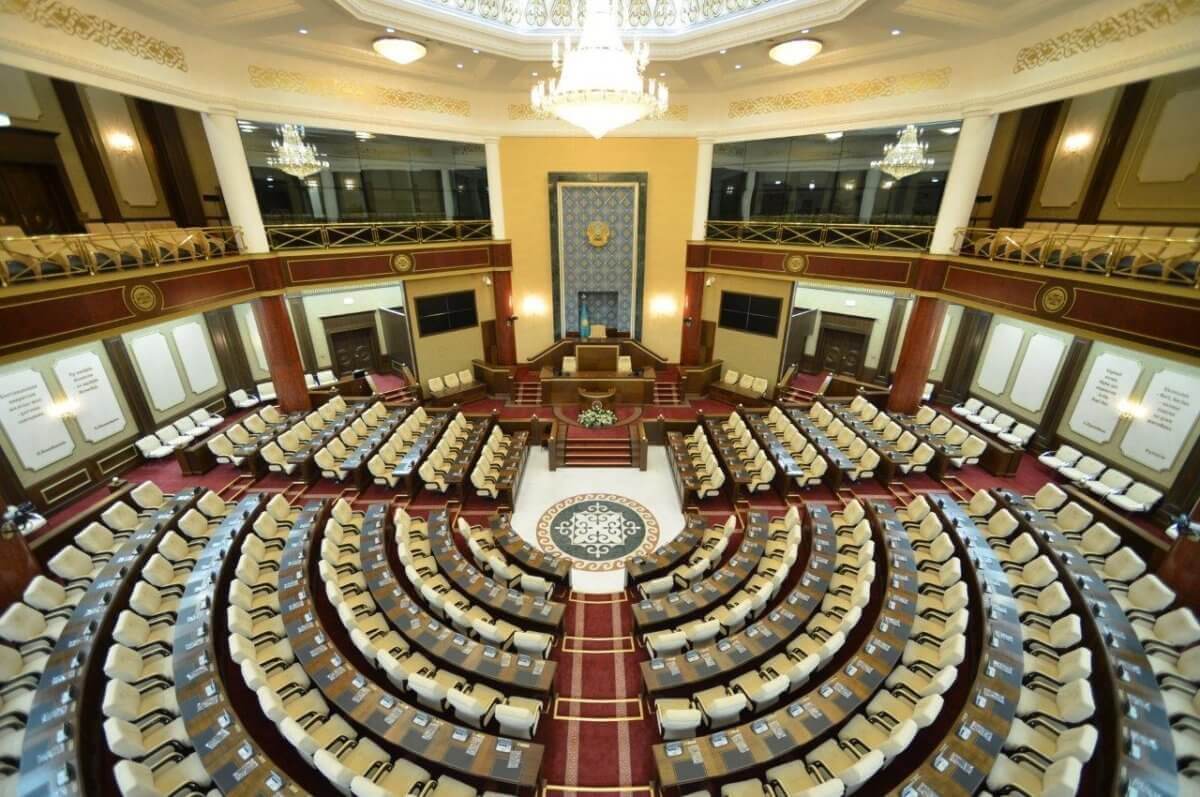
Kazakhstan's
Senate has held its final plenary session, marking the end of nearly three
decades of the upper chamber's existence. On July 1, 2026, the country's new
Constitution, approved in a nationwide referendum in March, officially enters
into force, bringing an end to Kazakhstan's bicameral parliamentary system. It
will be replaced by a unicameral legislative body, the Kurultai. Under the new
constitutional framework, the president is required to call elections within
one month of the Constitution taking effect, while the vote itself must be held
within the following two months.
The
final Senate session carried strong symbolic significance. Senate Speaker
Maulen Ashimbayev thanked lawmakers for their years of service and emphasized
that the upper chamber had played a crucial role in the development of
Kazakhstan's modern statehood by ensuring legislative stability and
strengthening the country's institutional framework. During the session,
senators completed consideration of the remaining legislative bills, formally
concluding the chamber's work before its dissolution.
The
Senate was established in 1996 following the adoption of the 1995 Constitution
and served as the upper house of Parliament for nearly thirty years. It
included representatives from all regions of the country, while a number of
senators were appointed by the president to ensure a balance between regional
interests and the central government. Throughout its existence, the Senate
reviewed and approved thousands of legislative initiatives, participated in the
appointment of senior state officials, and exercised a range of constitutional
powers related to the judiciary and other key state institutions.
The
abolition of the Senate forms part of a comprehensive constitutional reform
initiated by President Kassym-Jomart Tokayev. In addition to replacing the
bicameral legislature with a unicameral system, the new Constitution introduces
broader changes to the structure of state governance, redistributes
institutional powers, and establishes the Kurultai as the country's sole
legislative body. According to the new model, the parliament will consist of
145 deputies, who are expected to be elected later this summer.
Shortly
before the Senate's final session, members of both parliamentary chambers
convened for their last joint meeting, effectively drawing the curtain on
Kazakhstan's previous legislative system. The Mazhilis reported that during its
final parliamentary session lawmakers held 40 plenary meetings, considered more
than 330 agenda items, and adopted over 100 laws that laid the legislative
foundation for implementing the constitutional reform.
Political
analysts describe the ongoing transformation as the most significant
institutional overhaul of Kazakhstan's political system since the adoption of
the 1995 Constitution. Supporters of the reform argue that the transition to a
unicameral parliament will accelerate the legislative process by eliminating
the need for bills to pass through two separate chambers. At the same time, the
new system places greater responsibility on a single representative body for
the quality of legislation, as the mechanism of inter-chamber parliamentary
oversight will no longer exist.
Experts also note that the abolition of the Senate fundamentally changes the system of regional representation. Previously, regional interests were institutionally represented by senators; under the new framework, those interests will be incorporated directly into the work of the Kurultai through a redesigned mechanism for forming the legislature. Whether the new institutional model can effectively compensate for the absence of an upper chamber will become clear only after the first months of the Kurultai's operation, following parliamentary elections expected to take place in August 2026.
CCBS Expert Group


 Latest news
Latest news
Latest newsRussia Intensifies Strikes on Ukraine’s Infrastructure, Targeting Warehouses and Logistics Hubs
28.Aug.2026
A New Economic Framework for Central Asia and the Caucasus: The Role of Azerbaijan and Uzbekistan
28.Aug.2026
Moscow Warns London: Russia Considers Strikes on British Military Targets
27.Aug.2026
Kazakhstan Launches a New Economic Strategy: GDP Growth, Investment and Pension Reform
27.Aug.2026
CIA Director Visits Moscow: Trump Hopes for Results
26.Aug.2026
Former Ukrainian Defense Minister Warns of Risk of Gradual Defeat in War with Russia
25.Aug.2026
Putin Authorizes Temporary State Management of Critical Infrastructure Vulnerable to Drone Attacks
24.Aug.2026
The United States Rapidly Expands Missile Production: Pentagon Accelerates Output of Tomahawks and Other Critical Weapons
24.Aug.2026
Record Supplies: Armenia Boosts Fish Exports to Georgia
23.Aug.2026
Political Battle During Wartime: Zelensky Opposes Elections
23.Aug.2026
Romania Approves Construction of One of the Largest Solar Power Plants in Europe
23.Aug.2026
Ex-Ukrainian Defence Minister Fails in Bid to Pressure Zelenskiy
22.Aug.2026
Upper Lars: Why Border Queues Have Become a Political Signal for Georgia and Russia
22.Aug.2026
Russia-Ukraine War: No Decisive Breakthrough on the Front and Intensifying Ukrainian Deep Strikes on Russia
21.Aug.2026
TRIPP, Peace, and a New Geopolitical Crossroads: How Armenia Has Changed One Year After Washington
20.Aug.2026