
 14 Jul 2026









Poland Rules Out Transfer of MiG-29 Fighter Jets to Ukraine, Links Military Aid to Drone Technology Cooperation
Poland
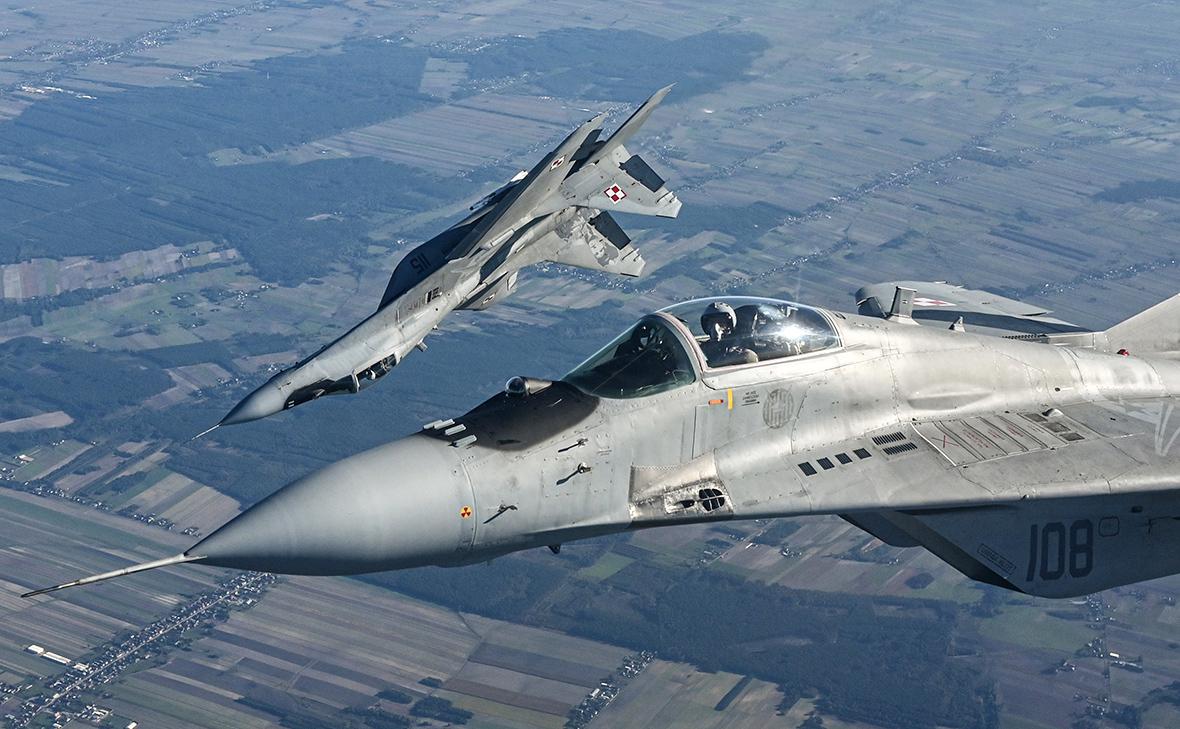
will not transfer its remaining MiG-29 fighter jets to Ukraine, Polish Minister
of National Defence Władysław Kosiniak-Kamysz has announced, explaining that
Kyiv failed to fulfill previously discussed agreements on cooperation in the
field of drone technologies.
According
to the Polish defense chief, Warsaw had proposed a partnership based on the
principle of "MiGs in exchange for drones." Under the arrangement,
Ukraine was expected to share its battlefield experience and technological
expertise in the development and deployment of unmanned aerial systems, while
Poland would provide its remaining Soviet-designed MiG-29 fighters. However,
the minister said that the Ukrainian side did not implement the agreed
commitments, leading Warsaw to abandon the aircraft transfer.
Kosiniak-Kamysz's
statement confirms a position that had already begun to emerge earlier this
month. In mid-June, Deputy Defence Minister Cezary Tomczyk indicated that the
delivery of MiG-29s had been suspended until Ukraine fulfilled its obligations
regarding technological cooperation in the drone sector.
Poland
has remained one of Ukraine's largest military supporters since the start of
Russia's full-scale invasion. Warsaw has supplied Kyiv with tanks, artillery
systems, armored vehicles, ammunition, and part of its MiG-29 fleet. The
remaining aircraft, however, continue to play an important role in Poland's own
air defense during the transition from Soviet-era platforms to modern Western
aircraft, including the F-16 and the incoming F-35 fleet. As a result,
discussions over the transfer of the last MiG-29s have increasingly been
accompanied by political and technological conditions.
Defense
analysts argue that the dispute reflects a broader transformation in
military-technical cooperation between Ukraine and its allies. While the
initial phase of the war was characterized primarily by large-scale arms
deliveries, technological expertise has now become an increasingly valuable
strategic asset. Ukraine's extensive combat experience in developing and
employing unmanned aerial systems is viewed by many European countries as one
of the most significant sources of practical military innovation.
At
the same time, Warsaw's decision illustrates a more pragmatic approach to
military assistance. Poland appears willing to continue supporting Ukraine but
is increasingly aligning its aid with its own national security priorities and
the development of its domestic defense industry. This suggests that
cooperation between Kyiv and its European partners may gradually evolve from
one-way military assistance toward a model based on reciprocal exchanges of
technology, expertise, and industrial capabilities.


 Latest news
Latest news
Latest newsUS Ready to Lift Sanctions on Turkiye and Restore Its Participation in the F-35 Program
09.Jul.2026
Trump Announces Transfer of License to Ukraine for Patriot Interceptor Missile Production
09.Jul.2026
The NATO Summit in Ankara Marked a New Stage in the Alliance's Transformation
08.Jul.2026
The war in Ukraine - the “liberation of Novorossiya” is a mission impossible
07.Jul.2026
Ursula von der Leyen's Visits to Baku and Yerevan Signal Brussels' New Strategy
07.Jul.2026
Putin's Approval Ratings Decline as Russians Grow Increasingly Concerned About the Economy and the War
06.Jul.2026
Erdogan and Radev Discuss Black Sea Security and Defense Cooperation
06.Jul.2026
OPEC+ Accelerates Output Recovery as Kazakhstan Increases Oil Production from August
05.Jul.2026
Georgia and Uzbekistan Elevate Relations to Strategic Partnership
05.Jul.2026
Iran Turns Khamenei Funeral into a Show of Strength as Week-Long National Mourning Begins
04.Jul.2026