
 22 Nov 2026









Central Asia Accelerates Digitalisation of the Trans-Caspian Transport Corridor
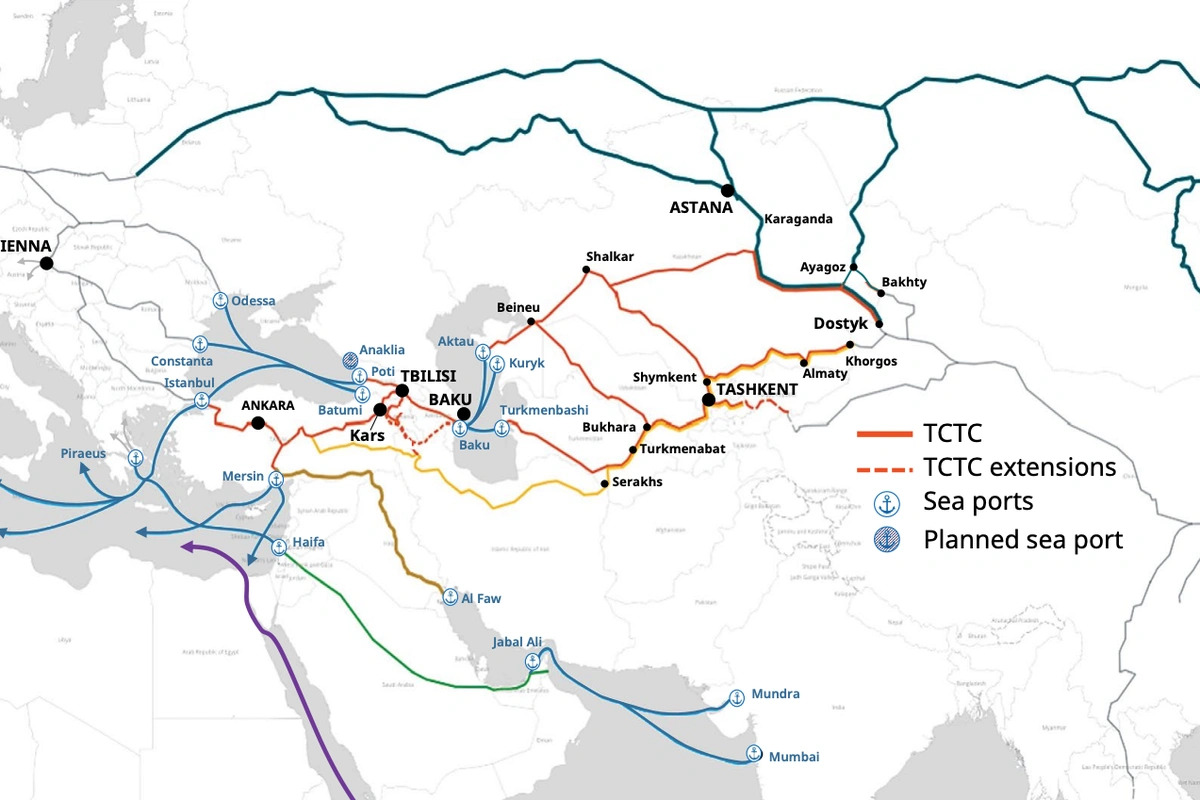
Central
Asian countries have agreed to strengthen coordination on the digitalisation of
trade and transport procedures, expand the use of electronic documentation and
improve the efficiency of cross-border freight transportation. Particular
attention is being paid to the adoption of international digital standards, the
simplification of customs procedures and the development of the Trans-Caspian
International Transport Route (TITR), also known as the Middle Corridor.
These
issues were discussed on 9–10 November 2026 in Bishkek at the 15th Regional
Meeting of National Trade Facilitation Committees of Central Asian countries.
The event brought together representatives of Kazakhstan, Kyrgyzstan,
Tajikistan, Turkmenistan and Uzbekistan, as well as representatives of
international organisations, the expert community and the private sector.
One
of the key topics of discussion was the digital transformation of transport and
logistics operations. Participants examined the prospects for introducing
electronic consignment notes under the eCMR system, advancing the electronic
international transit system eTIR, expanding the digital exchange of trade
documents and applying artificial intelligence technologies to customs
administration. These tools are expected to reduce administrative barriers,
accelerate border-crossing procedures and lower the time and financial costs
associated with international freight transportation.
Particular
attention was given to the practical implementation of the eTIR system.
According to the United Nations Economic Commission for Europe (UNECE),
Kyrgyzstan, Tajikistan, Turkmenistan and Uzbekistan have already completed the
integration of their national systems with the international eTIR platform.
Kazakhstan is expected to complete its integration by the end of November 2026.
In 2026, electronic transit operations have already been carried out between
several countries in the region, including across the Caspian Sea between
Turkmenistan and Azerbaijan, as well as along the Azerbaijan–Uzbekistan route
via Turkmenistan.
The
meeting also reviewed the findings of an assessment of the costs, transit times
and documentation requirements associated with exporting goods from Central
Asian countries and transporting them along the Trans-Caspian Corridor.
Participants emphasised the need for further harmonisation of national trade and
transport procedures, the development of interoperable digital infrastructure
and enhanced cooperation between government institutions and the private
sector.
 The
meeting was held within the framework of a regional programme aimed at
strengthening the capacity of the Trans-Caspian Transport Corridor. The
programme is funded by the European Union, Germany and France and implemented
by the German Agency for International Cooperation (GIZ) in partnership with
Expertise France.
The
advancement of digitalisation is of strategic importance to the development of
the Middle Corridor, which provides transport connectivity between Central
Asia, the South Caucasus, Turkiye and European markets. Establishing an
interoperable system of electronic documentation and customs cooperation could
enhance the route's competitiveness amid growing demand for alternative
Eurasian transport corridors.


 Latest news
Europe Prepares a Military Mission for Ukraine: 2800 Troops Rehearse Post-War Deployment Scenarios
22.Nov.2026
Russian Missiles and a Drone Fall on Polish Territory: NATO Faces New Threats on Its Eastern Flank
21.Nov.2026
Russia Strikes Kyiv Bridges Following Ukraine’s Attack on the Crimean Bridge: Transport Infrastructure Becomes a New Front in the Escalation
20.Nov.2026
The "Coalition of the Willing" Discusses Security Guarantees and Continued Support for Kyiv
19.Nov.2026
Tanker Sinks off Bulgaria After Being Hit Four Times: All 19 Crew Members Rescued
18.Nov.2026
Europe Accelerates Defence Integration: EU Identifies 8 Priorities for Joint Weapons Development
17.Nov.2026
Bulgaria and North Macedonia Plan to Begin Construction of New Border Crossing in October 2027
17.Nov.2026
Central Asia Accelerates Digitalisation of the Trans-Caspian Transport Corridor
16.Nov.2026
Bulgaria, Romania and Turkiye Deploy Naval Assets in BETUL 8 Rescue Operation
16.Nov.2026
Armenia Becomes the EU’s Leading Partner in the South Caucasus: Georgia Loses Influence in Europe’s Regional Strategy
15.Nov.2026
Ukraine Expands Its Campaign Against Russia’s Strategic Infrastructure
15.Nov.2026
Defence Partnerships without a Common Strategy? Turkiye Expands Military Ties with Qatar, Saudi Arabia and Pakistan
14.Nov.2026
Kobakhidze Says Georgia is Ready to Restore Political Dialogue with the European Union
14.Nov.2026
European Leaders Warn of Growing Russian Pressure on Armenia and Pledge Support to Yerevan
14.Nov.2026
Beyond Washington and Moscow: Europe Seeks a Seat at the Ukraine Negotiating Table
13.Nov.2026