
 22 Nov 2026









Russia Strikes Kyiv Bridges Following Ukraine’s Attack on the Crimean Bridge: Transport Infrastructure Becomes a New Front in the Escalation
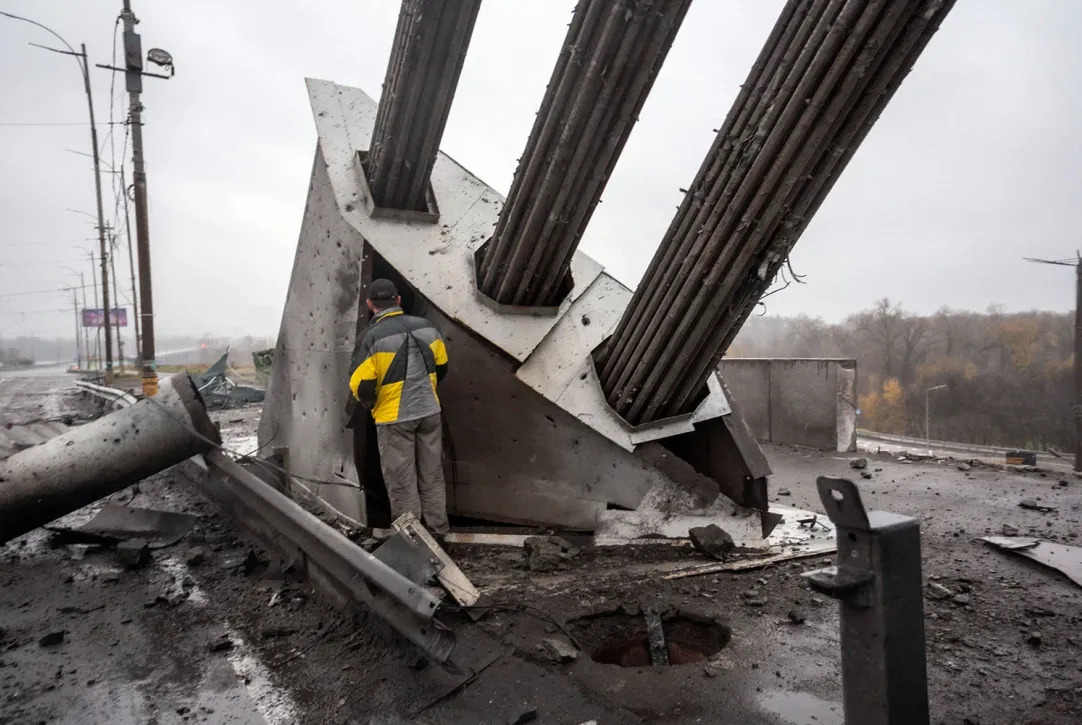
Reciprocal strikes by Russia and Ukraine against strategic bridges highlight the expanding geographical scope of their military and economic confrontation. Transport infrastructure, which facilitates the movement of military equipment, supplies and other logistical resources, is becoming increasingly important in the Russian-Ukrainian war. The successive attacks on bridges across the Dnipro River in Kyiv and the Crimean Bridge demonstrate both sides’ determination to disrupt their adversary’s critical transport networks.
On 20 November 2026, Russian forces launched a missile strike on Kyiv, damaging three bridges across the Dnipro River: the Podilskyi-Voskresenskyi, Darnytskyi and Pivdennyi bridges. According to Kyiv Mayor Vitali Klitschko, three people were killed and approximately 15 others injured in the attack. The strikes also triggered fires and damaged critical infrastructure facilities and civilian buildings. Traffic restrictions were subsequently introduced along several transport routes.
Of particular significance is the fact that the Russian attack came amid earlier Ukrainian strikes against the Crimean Bridge, which connects mainland Russia with the occupied Crimean Peninsula. On 17 November, Ukrainian forces conducted a large-scale operation targeting the structure. According to satellite imagery and statements from the Ukrainian side, a significant section of the bridge’s road infrastructure collapsed as a result of the operation. Damage to the railway infrastructure was also reported. Kyiv presented the operation as part of its broader campaign to disrupt Russia’s military logistics capabilities.
Following the attack on the Crimean Bridge, Russian President Vladimir Putin pledged a forceful response. The subsequent missile strike against Kyiv’s transport infrastructure on 20 November is being viewed in the context of this statement and the broader escalation of reciprocal attacks against strategic infrastructure.
From a military-strategic perspective, the bridges across the Dnipro River are essential to Kyiv’s transport connectivity, facilitating the movement of people, goods and resources between the city’s left and right banks. Damage to these structures creates additional constraints on urban logistics, increases the burden on alternative routes and complicates the functioning of the capital’s transport system.
The Crimean Bridge, meanwhile, remains one of the key components of Russia’s transport logistics network connecting mainland Russia with the Crimean Peninsula and the southern territories of Ukraine under Russian control. Damage to its road and railway sections could potentially complicate the transportation of military equipment, supply operations and logistical support for Russian forces stationed on the peninsula.
According to the CCBS assessment, successive strikes against bridge infrastructure indicate that the confrontation is increasingly evolving into a struggle to disrupt the adversary’s transport and military logistics networks. Moscow and Kyiv are demonstrating their willingness to target infrastructure that is important not only for military transportation but also for economic stability and the everyday functioning of major urban centres. The further expansion of such operations increases risks to the civilian population and poses additional threats to the security and resilience of regional transport corridors.


 Latest news
Europe Prepares a Military Mission for Ukraine: 2800 Troops Rehearse Post-War Deployment Scenarios
22.Nov.2026
Russian Missiles and a Drone Fall on Polish Territory: NATO Faces New Threats on Its Eastern Flank
21.Nov.2026
Russia Strikes Kyiv Bridges Following Ukraine’s Attack on the Crimean Bridge: Transport Infrastructure Becomes a New Front in the Escalation
20.Nov.2026
The "Coalition of the Willing" Discusses Security Guarantees and Continued Support for Kyiv
19.Nov.2026
Tanker Sinks off Bulgaria After Being Hit Four Times: All 19 Crew Members Rescued
18.Nov.2026
Europe Accelerates Defence Integration: EU Identifies 8 Priorities for Joint Weapons Development
17.Nov.2026
Bulgaria and North Macedonia Plan to Begin Construction of New Border Crossing in October 2027
17.Nov.2026
Central Asia Accelerates Digitalisation of the Trans-Caspian Transport Corridor
16.Nov.2026
Bulgaria, Romania and Turkiye Deploy Naval Assets in BETUL 8 Rescue Operation
16.Nov.2026
Armenia Becomes the EU’s Leading Partner in the South Caucasus: Georgia Loses Influence in Europe’s Regional Strategy
15.Nov.2026
Ukraine Expands Its Campaign Against Russia’s Strategic Infrastructure
15.Nov.2026
Defence Partnerships without a Common Strategy? Turkiye Expands Military Ties with Qatar, Saudi Arabia and Pakistan
14.Nov.2026
Kobakhidze Says Georgia is Ready to Restore Political Dialogue with the European Union
14.Nov.2026
European Leaders Warn of Growing Russian Pressure on Armenia and Pledge Support to Yerevan
14.Nov.2026
Beyond Washington and Moscow: Europe Seeks a Seat at the Ukraine Negotiating Table
13.Nov.2026