
 22 Nov 2026









Defence Partnerships without a Common Strategy? Turkiye Expands Military Ties with Qatar, Saudi Arabia and Pakistan
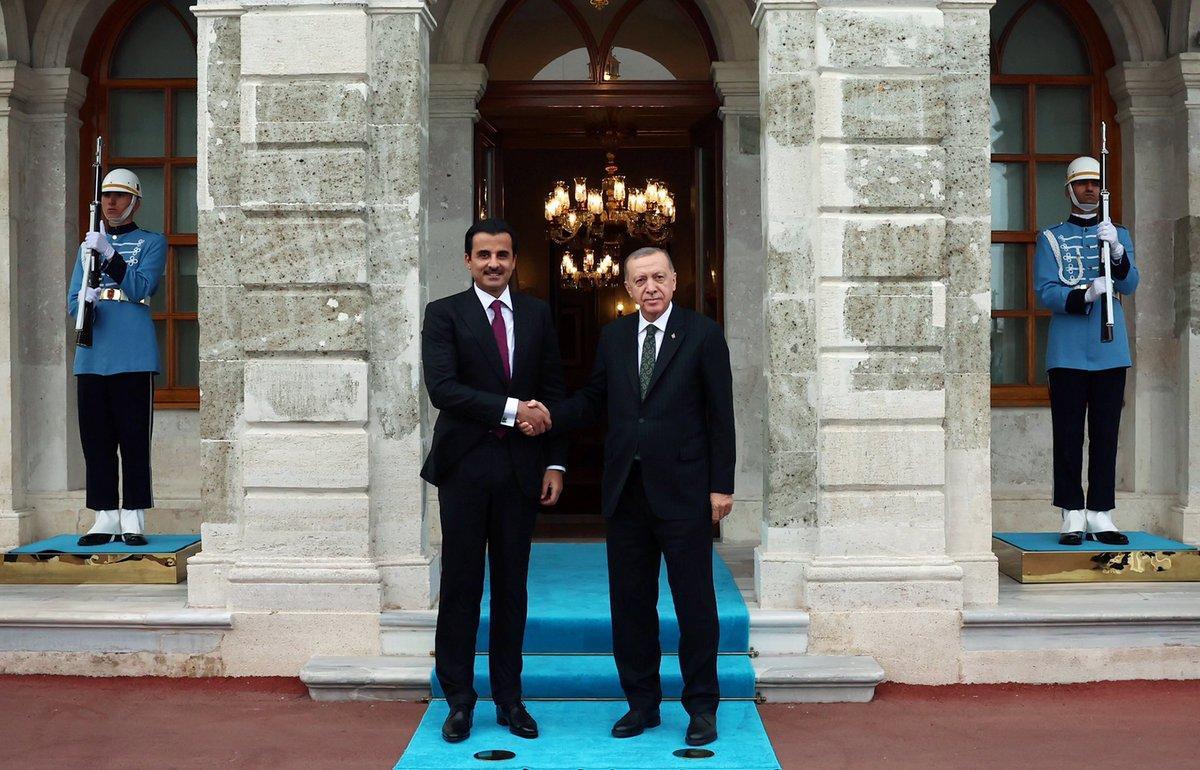
Turkiye’s signing of a mutual
defence agreement with Qatar on 13 November 2026 and the ratification of the
Mecca Agreement with Saudi Arabia and Pakistan demonstrate Ankara’s ambition to
expand its military and political influence beyond the traditional
Euro-Atlantic space. However, these diplomatic developments raise a key
question: can the new arrangements evolve into an effective collective security
framework, or will their significance remain largely confined to political
declarations?
Cooperation with Qatar has a
well-established institutional foundation. Turkiye already maintains a military
presence in the emirate, while the two countries continue to develop
cooperation in military training, the defence industry and security. The new
agreement elevates this partnership politically but does not automatically
establish a unified military command. Moreover, Qatar continues to rely on its
strategic relationship with the United States, limiting the extent to which
Ankara can be regarded as an alternative security guarantor.
The trilateral agreement with
Saudi Arabia and Pakistan raises more significant questions. Although the three
participants possess considerable military and financial resources, they pursue
different strategic objectives.
Coordinating their positions
could prove particularly challenging in the event of escalating tensions with
Iran. Turkiye is interested in maintaining working relations with Tehran,
whereas Iran remains a central security concern for Saudi Arabia. Ankara and
Islamabad’s willingness to support Riyadh in a potential military confrontation
has yet to be demonstrated through concrete defence commitments and operational
mechanisms.
Turkiye’s economic interests
are also significant. Expanded cooperation with Saudi Arabia, Qatar and
Pakistan creates opportunities for arms exports, attracting investment and
developing joint military production.
The new agreements should not
be viewed as an alternative to NATO. Turkiye remains a member of the Alliance
while simultaneously developing independent regional partnerships. This
approach broadens Ankara’s diplomatic options but also requires it to balance
its different commitments and the interests of its partners.
Thus, Ankara is building a network of interconnected defence partnerships, but it is premature to describe this as the formation of a unified regional military bloc. The main challenge lies in the absence of clearly shared strategic priorities and established mechanisms for joint responses to security crises. The real significance of these agreements will be determined not by the number of signatures or diplomatic declarations, but by the participants’ willingness to provide each other with practical military support in times of crisis.


 Latest news
Europe Prepares a Military Mission for Ukraine: 2800 Troops Rehearse Post-War Deployment Scenarios
22.Nov.2026
Russian Missiles and a Drone Fall on Polish Territory: NATO Faces New Threats on Its Eastern Flank
21.Nov.2026
Russia Strikes Kyiv Bridges Following Ukraine’s Attack on the Crimean Bridge: Transport Infrastructure Becomes a New Front in the Escalation
20.Nov.2026
The "Coalition of the Willing" Discusses Security Guarantees and Continued Support for Kyiv
19.Nov.2026
Tanker Sinks off Bulgaria After Being Hit Four Times: All 19 Crew Members Rescued
18.Nov.2026
Europe Accelerates Defence Integration: EU Identifies 8 Priorities for Joint Weapons Development
17.Nov.2026
Bulgaria and North Macedonia Plan to Begin Construction of New Border Crossing in October 2027
17.Nov.2026
Central Asia Accelerates Digitalisation of the Trans-Caspian Transport Corridor
16.Nov.2026
Bulgaria, Romania and Turkiye Deploy Naval Assets in BETUL 8 Rescue Operation
16.Nov.2026
Armenia Becomes the EU’s Leading Partner in the South Caucasus: Georgia Loses Influence in Europe’s Regional Strategy
15.Nov.2026
Ukraine Expands Its Campaign Against Russia’s Strategic Infrastructure
15.Nov.2026
Defence Partnerships without a Common Strategy? Turkiye Expands Military Ties with Qatar, Saudi Arabia and Pakistan
14.Nov.2026
Kobakhidze Says Georgia is Ready to Restore Political Dialogue with the European Union
14.Nov.2026
European Leaders Warn of Growing Russian Pressure on Armenia and Pledge Support to Yerevan
14.Nov.2026
Beyond Washington and Moscow: Europe Seeks a Seat at the Ukraine Negotiating Table
13.Nov.2026