
 22 Nov 2026









- A family of cruise missiles;
- Long-range artillery, including multiple-launch rocket systems;
- Modular and interoperable unmanned ground platforms;
- Multi-layered counter-unmanned aircraft systems (C-UAS) to protect critical infrastructure and military units;
- A family of long-range air defence interceptors;
- Space-based systems for early warning, detection and tracking of threats;
- European secure defence cloud infrastructure;
- A European approach to strategic air mobility.
Europe Accelerates Defence Integration: EU Identifies 8 Priorities for Joint Weapons Development
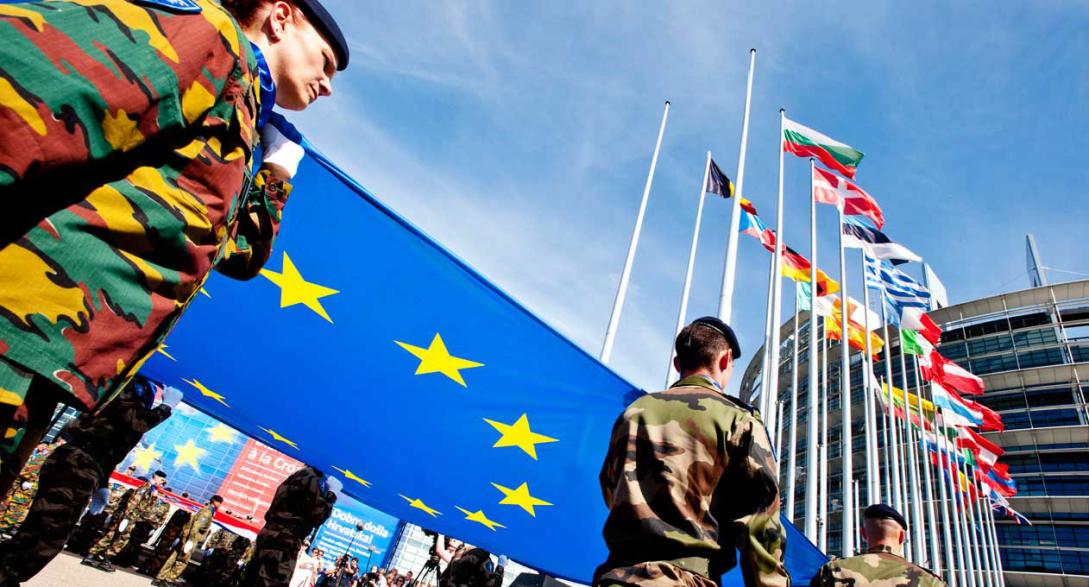
The European Union is strengthening coordination in defence planning and seeking to move away from predominantly national arms procurement programmes towards a more systematic approach to developing joint military capabilities. The approval of eight areas of cooperation reflects Brussels' ambition to strengthen Europe's defence industry, reduce technological dependencies and enhance European states' ability to ensure their own security.
On 17 November 2026, EU defence ministers endorsed the report of the European Defence Agency (EDA) under the 2026 Coordinated Annual Review on Defence (CARD). The document identifies eight areas in which EU member states can pool their efforts to develop joint military capabilities, ranging from cruise missiles and long-range air defence systems to space-based early warning capabilities and secure defence cloud infrastructure.
The decision was taken at a meeting of the EDA Steering Board. In addition to endorsing CARD-2026, ministers supported a joint statement on security of supply in the defence sector and approved an increase in the EDA's budget for 2027 to €78 million, representing an 8.7% increase compared with 2026.
The eight areas identified for the joint development of military capabilities include:
The final three areas are of particular importance, as the EDA classifies them as strategic enablers. They provide the technological and infrastructural foundations necessary for independent decision-making, the conduct of military operations and the maintenance of operational resilience.
From National Programmes to Joint Defence Planning
One of the key conclusions of CARD-2026 is the need to change the approach to developing European armed forces. EU member states are increasingly aligning their assessments of defence priorities. However, a substantial proportion of procurement and weapons development programmes continues to be implemented at the national level.
The EDA proposes identifying opportunities for joint cooperation at the earliest stages of defining military requirements, preparing national defence budgets and planning procurement. This approach is intended to avoid duplication of programmes, improve the interoperability of military equipment and ensure more efficient use of financial resources.
Another important priority is accelerating the transition from technological development to practical implementation. As the nature of modern armed conflicts continues to evolve, EU member states are seeking to narrow the gap between identifying emerging threats, developing appropriate solutions and integrating them into their armed forces.
At the same time, the EDA emphasises the importance of maintaining a long-term defence planning perspective beyond 2030. This reflects the fact that developing complex military systems, training personnel, establishing production capacities and building resilient supply chains all require sustained investment over extended periods.
European Defence Autonomy and Technological Dependencies
The endorsement of eight areas of cooperation reflects a broader transformation of EU defence policy. European states are seeking to strengthen their domestic defence industrial base and reduce their dependence on external suppliers in critical technological sectors.
Particular attention is being directed towards air defence systems, long-range strike capabilities, unmanned technologies and space infrastructure. These areas are becoming increasingly important against the backdrop of the Russia–Ukraine war, rising military expenditure across Europe and the need to reinforce NATO's defence posture on its eastern flank.
At the same time, the development of secure defence cloud infrastructure, space-based early warning systems and strategic air mobility demonstrates the EU's ambition to strengthen not only its weapons systems but also the supporting capabilities required for their effective operation.
This reflects an effort to establish a more comprehensive model of European defence autonomy, under which EU member states would be better equipped to coordinate military operations, exchange information, provide logistical support and maintain operational resilience without critical dependence on individual external partners.
At the same time, the EDA stresses that the development of joint capabilities should be coordinated with NATO and complement the Alliance's existing collective defence mechanisms.
The endorsement of eight areas for joint weapons development demonstrates the EU's gradual transition from coordinating national defence policies towards a more systematic development of common military capabilities.
The key challenge for the EU remains the gap between political agreement on priorities and their practical implementation. Despite growing convergence in strategic assessments, differences between national defence programmes, varying military requirements and competition among defence manufacturers continue to limit the scope of joint procurement and development.
The development of strategic enabling capabilities is becoming particularly important. Space-based surveillance, secure communications, data exchange and strategic air mobility are essential prerequisites for the effective deployment and operation of modern armed forces. Their development will enable European states to strengthen operational resilience and reduce their dependence on external technological resources.
In a broader context, the decision by EU defence ministers reflects Brussels' ambition to strengthen Europe's defence industry and enhance European states' ability to respond independently to emerging threats. However, achieving genuine European defence autonomy will require not only increased investment but also overcoming the persistent fragmentation of national defence systems.
Thus, CARD-2026 represents one of the instruments driving the long-term transformation of European defence policy, aimed at strengthening the EU's military capabilities, improving the interoperability of its armed forces and establishing a more resilient European security architecture.


 Latest news
Europe Prepares a Military Mission for Ukraine: 2800 Troops Rehearse Post-War Deployment Scenarios
22.Nov.2026
Russian Missiles and a Drone Fall on Polish Territory: NATO Faces New Threats on Its Eastern Flank
21.Nov.2026
Russia Strikes Kyiv Bridges Following Ukraine’s Attack on the Crimean Bridge: Transport Infrastructure Becomes a New Front in the Escalation
20.Nov.2026
The "Coalition of the Willing" Discusses Security Guarantees and Continued Support for Kyiv
19.Nov.2026
Tanker Sinks off Bulgaria After Being Hit Four Times: All 19 Crew Members Rescued
18.Nov.2026
Europe Accelerates Defence Integration: EU Identifies 8 Priorities for Joint Weapons Development
17.Nov.2026
Bulgaria and North Macedonia Plan to Begin Construction of New Border Crossing in October 2027
17.Nov.2026
Central Asia Accelerates Digitalisation of the Trans-Caspian Transport Corridor
16.Nov.2026
Bulgaria, Romania and Turkiye Deploy Naval Assets in BETUL 8 Rescue Operation
16.Nov.2026
Armenia Becomes the EU’s Leading Partner in the South Caucasus: Georgia Loses Influence in Europe’s Regional Strategy
15.Nov.2026
Ukraine Expands Its Campaign Against Russia’s Strategic Infrastructure
15.Nov.2026
Defence Partnerships without a Common Strategy? Turkiye Expands Military Ties with Qatar, Saudi Arabia and Pakistan
14.Nov.2026
Kobakhidze Says Georgia is Ready to Restore Political Dialogue with the European Union
14.Nov.2026
European Leaders Warn of Growing Russian Pressure on Armenia and Pledge Support to Yerevan
14.Nov.2026
Beyond Washington and Moscow: Europe Seeks a Seat at the Ukraine Negotiating Table
13.Nov.2026