
 23 Nov 2026









Bulgaria and Georgia Strengthen Cooperation on Black Sea Security and the Middle Corridor
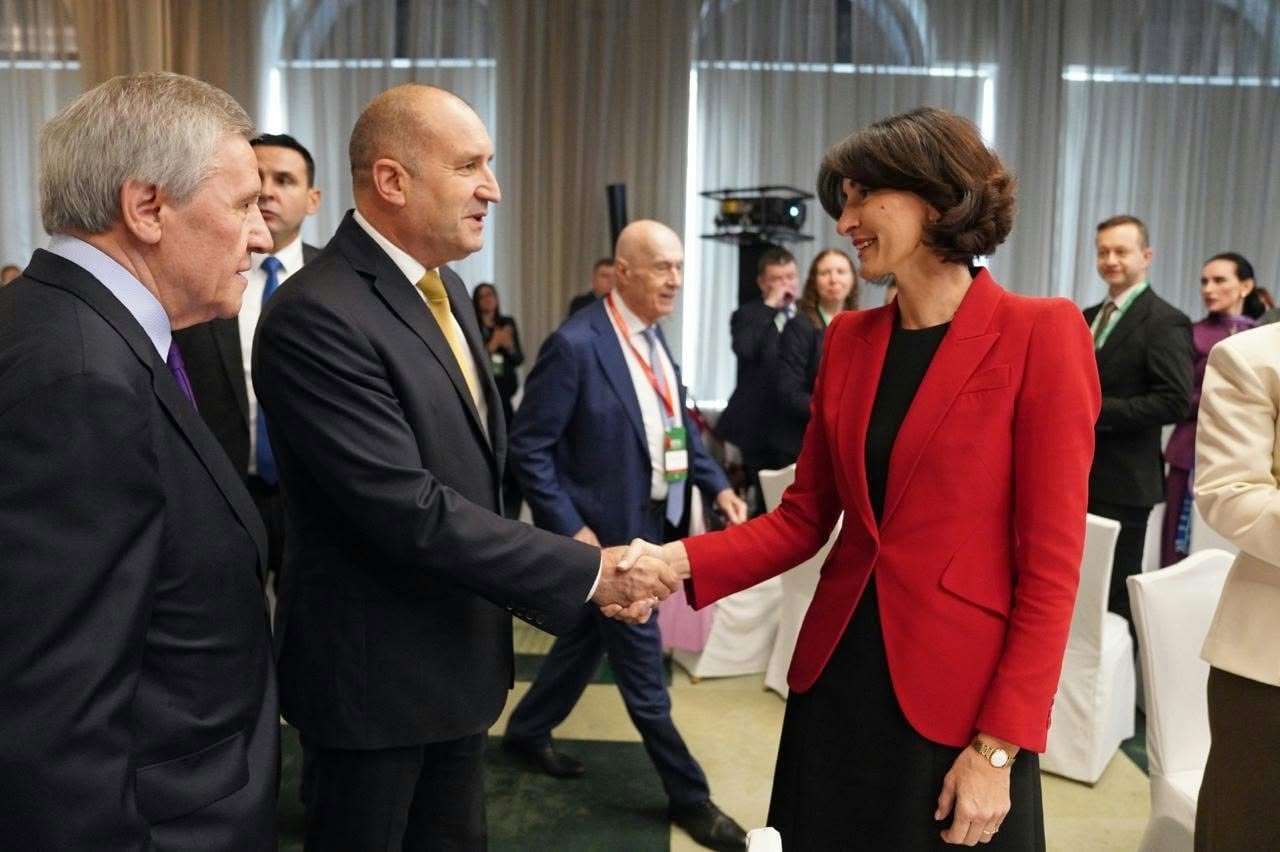
Sofia and Tbilisi view transport, energy and digital connectivity as important areas of bilateral cooperation amid the growing importance of the Black Sea for European security and trade. Bulgaria is seeking closer coordination with Georgia on the development of the Middle Corridor, which connects Central Asia with Europe.
Bulgarian Prime Minister Rumen Radev has emphasized the strategic importance of cooperation with Georgia in strengthening Black Sea security and developing regional transport and infrastructure links. He made these remarks in an interview with Georgia’s public broadcaster, published on October 26, 2026.
According to Radev, Bulgaria and Georgia occupy important positions in the Black Sea region and have opportunities to expand cooperation in transport, energy and digital connectivity. The Bulgarian prime minister also highlighted the need to improve direct links between the two countries, including the development of existing submarine fiber-optic cables connecting Georgia and Bulgaria.
Radev expressed interest in closer coordination with Georgian counterparts to improve the operational efficiency of transport links and ensure maritime security in the Black Sea. He stressed that freedom of navigation is of fundamental importance to both countries.
The Bulgarian prime minister also highlighted the Middle Corridor, a transport route connecting Central Asia and other parts of Asia with European markets. According to Radev, Bulgaria plans to host one of the major high-level international conferences dedicated to the development of this route in 2027.
Black Sea Security Takes on Greater Economic Significance
The intensification of Bulgarian-Georgian dialogue comes amid growing attention to the security of commercial shipping in the Black Sea. In October, drone attacks on merchant vessels in Bulgaria’s exclusive economic zone resulted in casualties and heightened concerns about risks to international maritime transport.
Bulgarian authorities are seeking increased support from European partners and NATO, focusing in particular on maritime surveillance, counter-drone capabilities and the protection of freedom of navigation. Sofia is also advocating coordination of regional security measures with Romania and Turkiye.
Under these circumstances, cooperation with Georgia is significant not only for bilateral relations but also for the resilience of transport infrastructure linking Europe with the South Caucasus and Central Asia. Disruptions to maritime traffic can increase shipping costs and insurance premiums while creating additional obstacles for companies using alternative trade routes.
The Middle Corridor and Competition Between Transport Routes
The development of the Middle Corridor is becoming increasingly important as European countries seek to diversify their trade and logistics networks. The route passes through Central Asia, across the Caspian Sea, through Azerbaijan and Georgia, and onward to European markets. It is viewed as one of the channels for expanding economic connectivity between Europe and Asia.
However, realizing these opportunities will require more than political statements. Key factors include the capacity of ports and railways, the harmonization of customs procedures, the development of multimodal transport and the reliable operation of digital infrastructure. Coordination among governments, transport operators and investors involved in the route will also be essential.
Radev’s statement reflects Bulgaria’s intention to treat Black Sea security and transport connectivity with the South Caucasus as interconnected priorities of its foreign and economic policy. Against the backdrop of regional military risks, the protection of maritime communications is becoming one of the prerequisites for the effective functioning of international trade routes.
At the same time, the Middle Corridor cannot automatically replace other trade routes between Europe and Asia. Its future development will depend on transport costs, infrastructure coordination, stability in transit countries and the ability of participating states to provide predictable conditions for international business.


 Latest news
Two Commercial Vessels Attacked in the Black Sea off Bulgaria
23.Nov.2026
EU Allocates Another €1 Billion to Ukraine: European Military Support Takes on a Long-Term Dimension
22.Nov.2026
Europe Prepares a Military Mission for Ukraine: 2800 Troops Rehearse Post-War Deployment Scenarios
21.Nov.2026
Russian Missiles and a Drone Fall on Polish Territory: NATO Faces New Threats on Its Eastern Flank
21.Nov.2026
Russia Strikes Kyiv Bridges Following Ukraine’s Attack on the Crimean Bridge: Transport Infrastructure Becomes a New Front in the Escalation
20.Nov.2026
The "Coalition of the Willing" Discusses Security Guarantees and Continued Support for Kyiv
19.Nov.2026
Tanker Sinks off Bulgaria After Being Hit Four Times: All 19 Crew Members Rescued
18.Nov.2026
Europe Accelerates Defence Integration: EU Identifies 8 Priorities for Joint Weapons Development
17.Nov.2026
Bulgaria and North Macedonia Plan to Begin Construction of New Border Crossing in October 2027
17.Nov.2026
Central Asia Accelerates Digitalisation of the Trans-Caspian Transport Corridor
16.Nov.2026
Bulgaria, Romania and Turkiye Deploy Naval Assets in BETUL 8 Rescue Operation
16.Nov.2026
Armenia Becomes the EU’s Leading Partner in the South Caucasus: Georgia Loses Influence in Europe’s Regional Strategy
15.Nov.2026
Ukraine Expands Its Campaign Against Russia’s Strategic Infrastructure
15.Nov.2026
Defence Partnerships without a Common Strategy? Turkiye Expands Military Ties with Qatar, Saudi Arabia and Pakistan
14.Nov.2026
Kobakhidze Says Georgia is Ready to Restore Political Dialogue with the European Union
14.Nov.2026