
 24 Jun 2026









The Kremlin Centralizes Foreign Policy in the Post-Soviet Space: Kiriyenko Receives New Powers
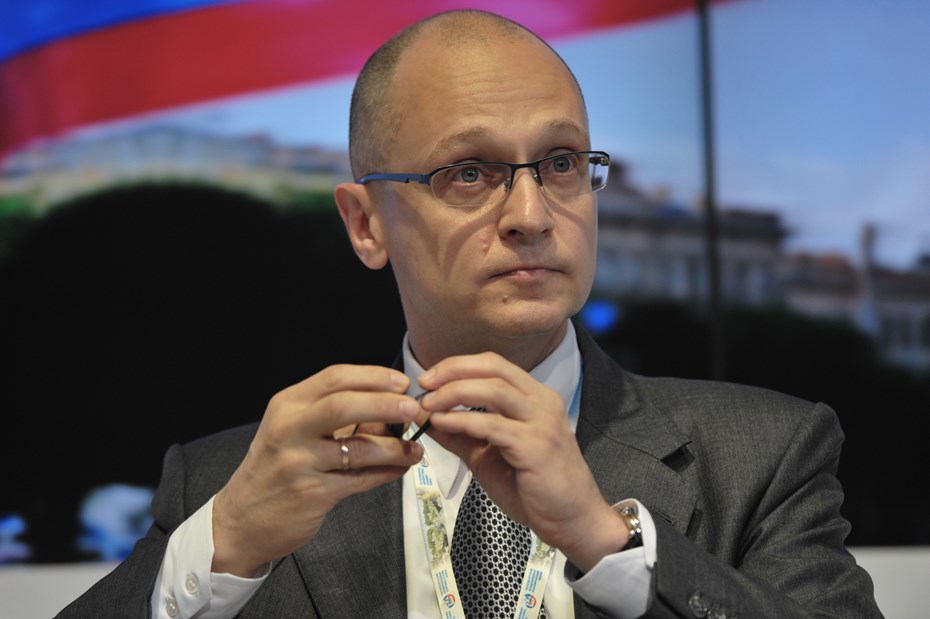
Major changes have occurred in the Kremlin’s governance structure, potentially reshaping Russia’s strategy toward former Soviet republics. Sergey Kiriyenko, First Deputy Chief of Staff of the Presidential Administration of Russia, has been granted expanded authority to coordinate foreign policy actions in the post-Soviet space. His responsibilities now include Transnistria, Abkhazia, South Ossetia, and Armenia.
According to analysts, this move signals a shift to a rigid, centralized model of governance in regions previously considered Russia’s “grey zones of influence”. While Moscow used to act through informal channels and loyal politicians, it is now moving toward direct and public intervention in the affairs of neighboring states.
Moscow political analyst Ilya Gusev notes that Kiriyenko is known as an effective administrator and the chief architect of domestic stability. His move into foreign policy indicates that the Kremlin no longer wishes to rely on ad hoc decisions or “friends of Moscow” in the region. Instead, a strict vertical power structure is being implemented.
The selection of countries under his supervision is particularly telling – all are flashpoints of geopolitical tension where Russia’s influence is either waning (as in Armenia) or challenged by other powers (as in Transnistria and Abkhazia).
This step can be interpreted as an attempt by the Kremlin to preserve what remains of its control over its traditional sphere of influence, amid military pressure in Ukraine, cooling ties with Central Asia, and increased activity from the EU, Turkey, and China.
For example, Armenia is seriously discussing a withdrawal from the CSTO and aligning with the West, Moldova is intensifying its pro-European path and negotiating the demilitarization of Transnistria, and Georgia refuses direct political subordination to Moscow despite its internal crisis.
Essentially, Kiriyenko is being handed the last bastions of influence where "institutional control" is still possible, rather than relying solely on military or economic leverage.
According to the European Policy Centre (EPC), Kiriyenko’s appointment may also signal preparations for a more aggressive foreign policy in the region – potentially up to attempts to impose a “union model” of political governance or establish proxy regimes fully dependent on Moscow.
“This is not just a personnel reshuffle, it’s a restructuring of the imperial core of foreign policy”, said EPC expert Thomas Ranz.
The decision to hand control over these problematic post-Soviet regions to Kiriyenko is not a cosmetic move – it marks a new phase in the geopolitical game. Russia is betting on bureaucratic efficiency and centralized control in response to mounting Western pressure and internal crises in former Soviet republics.
Expert Group CCBS


 Latest news
Latest news
Latest newsSatellites, Soldiers, and Sanctions: The Cost of Russia’s Ambitions Is Rising
20.Jun.2026
Ukraine’s Battlefield Experience Opens New Opportunities in Asia’s Drone Market
19.Jun.2026
Azerbaijan’s Oil Trap: Why the Economy Is Standing Still
18.Jun.2026
Motorcycle Noise Seen as Obstacle to Air Defense Operations in Crimea
17.Jun.2026
Rising Wages and Euro Integration: Bulgaria Enters a New Economic Era
17.Jun.2026
Armenia After June 7: Pashinyan Remains in Power, Moscow Unhappy
17.Jun.2026
$300 Billion Deal: Iran Poised to Receive the Largest Investment Package in Modern Middle Eastern History
16.Jun.2026
Infrastructure Pressure: Putin Acknowledges the Economic Impact of Ukrainian Attacks
15.Jun.2026
Kyiv and Moscow Trade Blame After Damage Reported at Kyiv Pechersk Lavra
15.Jun.2026
IMF Raises Georgia’s Economic Growth Forecast to 6.5% for 2026
15.Jun.2026