
 24 Jun 2026









Azerbaijan’s Oil Trap: Why the Economy Is Standing Still
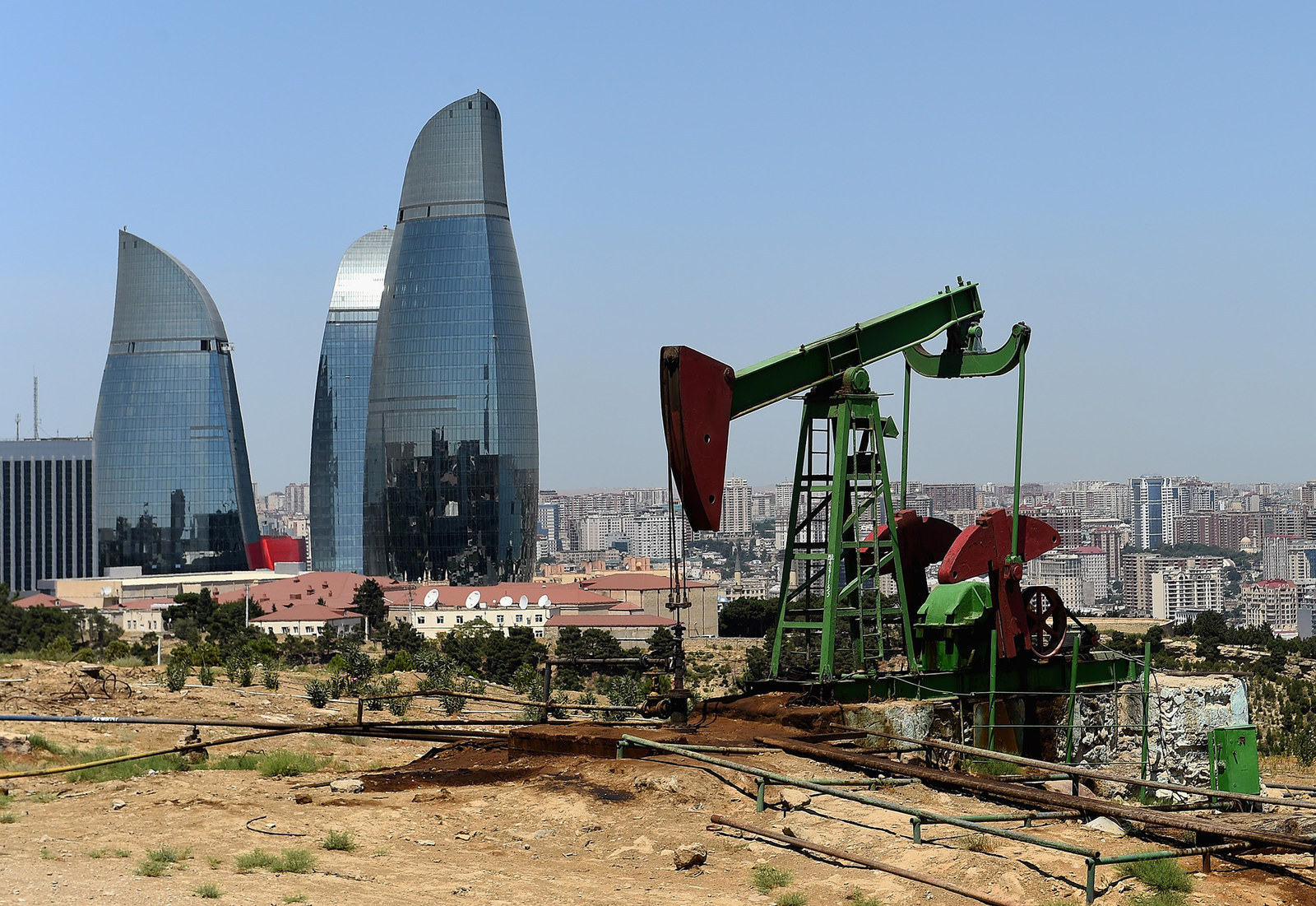
In 2026, Azerbaijan continues to enjoy a reputation as one of the most financially stable countries in the South Caucasus. Yet behind the official indicators of stability, long-standing structural weaknesses are becoming increasingly apparent. Despite years of promises to modernize and diversify the economy, the country remains heavily dependent on oil and gas revenues, while many key reforms have progressed more slowly than expected.
The central challenge is that, more than two decades after the start of its oil boom, Azerbaijan has yet to build an economic model capable of thriving without substantial support from the hydrocarbons sector. Oil and gas continue to account for a significant share of export earnings, government revenues, and foreign currency reserves. As a result, any major decline in global energy prices remains a potential threat to the country’s fiscal stability.
At the same time, the non-oil sector — which the government frequently describes as the future engine of growth — has developed more slowly than anticipated. Many projects continue to rely on state financing, tax incentives, and administrative support. Private businesses often lack the resources and opportunities needed for independent expansion, while the economy remains highly dependent on government spending.
Economists also point to insufficient competition across several key industries. Large players with close ties to the state or dominant market positions continue to control significant segments of the economy. As a result, the business environment has evolved more slowly than it might have under conditions of greater market openness and competition. This is particularly evident in sectors such as imports, logistics, construction, and parts of the retail trade.
Another weakness is the limited inflow of foreign investment outside the oil and gas industry. Despite its strategic geographic location and growing role in regional transport corridors, Azerbaijan has yet to establish itself as a major hub for international capital. Many investors continue to view the market as less transparent and predictable than a number of competing jurisdictions.
The labor market also faces persistent structural challenges. Official statistics indicate relatively low unemployment, but real incomes have grown more slowly than many expected. A significant number of young professionals continue to seek employment in the public sector or abroad. Well-paid jobs in the private economy remain limited, while opportunities for professional advancement are often constrained.
Regional development remains another source of concern. Despite substantial public investment, economic activity is still heavily concentrated in Baku. Many regions remain dependent on government transfers and lack a sustainable economic base of their own. This has contributed to continued migration toward the capital and widened the gap between Baku and the rest of the country.
Experts are particularly concerned that oil wealth, once Azerbaijan’s greatest advantage, may increasingly be slowing the pace of reform. Large financial reserves help cushion economic pressures and reduce the urgency of difficult policy decisions. As a result, many structural shortcomings have persisted for years without significant change.
The government continues to promote initiatives focused on digital transformation, renewable energy, logistics, and high technology. However, critics argue that tangible results have yet to match the scale of these ambitions. High-tech manufacturing still represents only a small share of the economy, while exports remain largely dominated by raw materials and energy products.
Ultimately, Azerbaijan’s main economic challenge in 2026 is not a lack of resources but the limited effectiveness of its current development model. The country possesses considerable financial assets, a strategic geographic position, and modern infrastructure. Yet it has so far struggled to translate these advantages into a truly diversified, competitive, and sustainable economy. Without faster reforms, greater competition, and reduced dependence on hydrocarbon revenues, today’s stability risks becoming a temporary advantage rather than the foundation for long-term growth.
CCBS Expert Group


 Latest news
Latest news
Latest newsUkraine’s Battlefield Experience Opens New Opportunities in Asia’s Drone Market
19.Jun.2026
Azerbaijan’s Oil Trap: Why the Economy Is Standing Still
18.Jun.2026
Motorcycle Noise Seen as Obstacle to Air Defense Operations in Crimea
17.Jun.2026
Rising Wages and Euro Integration: Bulgaria Enters a New Economic Era
17.Jun.2026
Armenia After June 7: Pashinyan Remains in Power, Moscow Unhappy
17.Jun.2026
$300 Billion Deal: Iran Poised to Receive the Largest Investment Package in Modern Middle Eastern History
16.Jun.2026
Infrastructure Pressure: Putin Acknowledges the Economic Impact of Ukrainian Attacks
15.Jun.2026
Kyiv and Moscow Trade Blame After Damage Reported at Kyiv Pechersk Lavra
15.Jun.2026
IMF Raises Georgia’s Economic Growth Forecast to 6.5% for 2026
15.Jun.2026
EU Opens the Door to Ukraine and Moldova as First Membership Talks Begin
14.Jun.2026