
 24 Jun 2026









Motorcycle Noise Seen as Obstacle to Air Defense Operations in Crimea
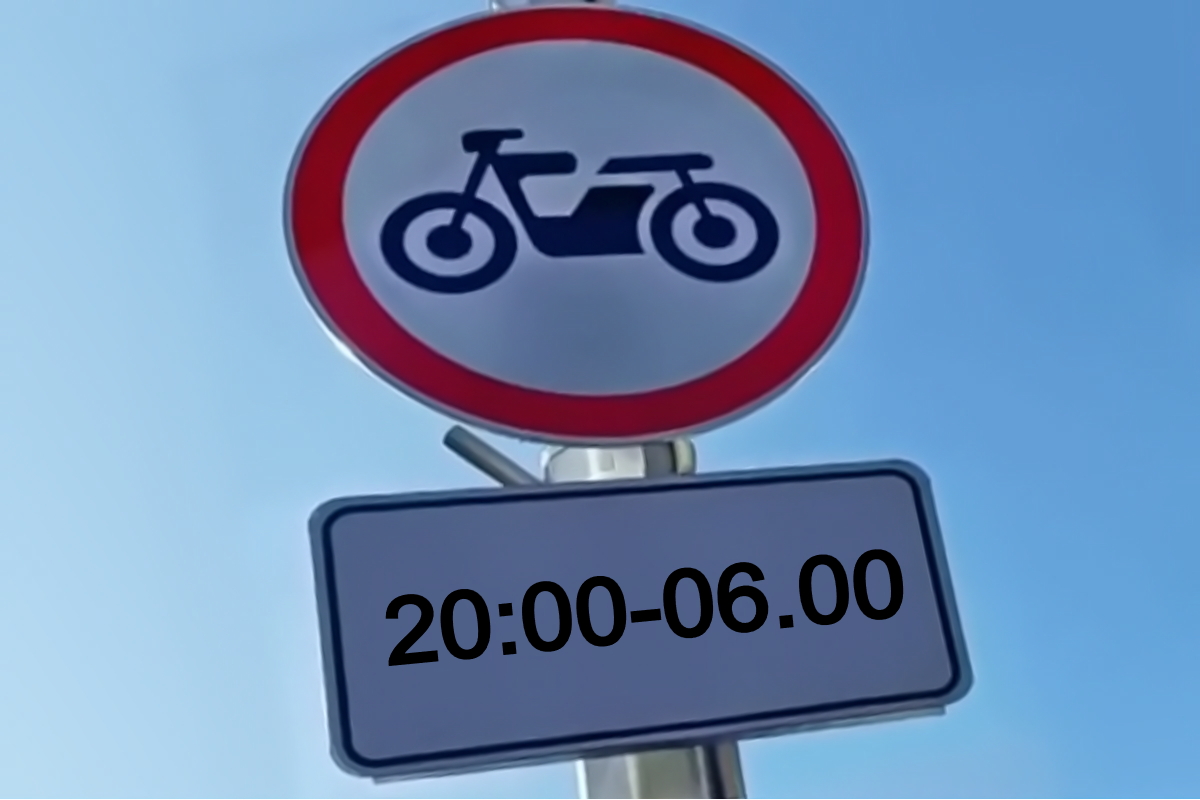
Authorities in Russian-controlled Crimea have introduced a temporary ban on the nighttime use of motorcycles, mopeds, scooters, and all-terrain vehicles (ATVs) between 8:00 p.m. and 6:00 a.m. Officials say the measure is aimed at reducing confusion during air defense operations amid a growing number of Ukrainian drone attacks.
According to Oleg Kryuchkov, an adviser to the head of Crimea, the sound of two-wheeled vehicle engines can closely resemble that of unmanned aerial vehicles, making it more difficult for air defense units to identify and track potential threats. The restriction came into force on June 17 and currently does not apply to passenger cars or other larger vehicles.
The decision comes as Ukraine has intensified its drone campaign against military and logistical targets across the peninsula. In recent weeks, strikes have targeted military facilities, fuel infrastructure, and transportation routes linking Crimea with Russian-controlled territories. According to Russian authorities and local media reports, the attacks have disrupted fuel supplies, prompting temporary restrictions at gas stations, where purchases have been limited to 20 liters per vehicle. Long queues and localized fuel shortages have also been reported in several cities.
The move follows a series of attacks on transport infrastructure used to supply the peninsula. Last week, bridges connecting Crimea with the Russian-controlled part of Ukraine's Kherson region were reportedly damaged, while Ukrainian drones continued targeting routes used to transport fuel and military cargo.
Against this backdrop, the nighttime ban on motorcycles appears to be more than a simple traffic-control measure. It reflects growing concerns over security and the increasing pressure on Crimea's logistical networks. While authorities describe the restriction as temporary, no end date has been announced.
Analysts say the measure, though unusual, highlights the strain placed on air defense systems by the evolving nature of drone warfare. Many modern one-way attack drones produce a distinctive buzzing sound generated by small combustion engines, which can be mistaken for the noise of motorcycles or mopeds. During periods of heightened alert, such similarities may complicate the detection of incoming aerial threats and the coordination of mobile air defense teams.
Military observers also view the restrictions as part of a broader picture shaped by Ukraine's efforts to isolate Crimea from key supply routes. In recent months, Kyiv has repeatedly targeted bridges, fuel depots, warehouses, railway infrastructure, and transportation hubs in an attempt to disrupt the movement of fuel, equipment, and ammunition. According to several Western analysts, pressure on logistics and supply chains has become one of the defining features of Ukraine's campaign in southern Ukraine.


 Latest news
Latest news
Latest newsUkraine’s Battlefield Experience Opens New Opportunities in Asia’s Drone Market
19.Jun.2026
Azerbaijan’s Oil Trap: Why the Economy Is Standing Still
18.Jun.2026
Motorcycle Noise Seen as Obstacle to Air Defense Operations in Crimea
17.Jun.2026
Rising Wages and Euro Integration: Bulgaria Enters a New Economic Era
17.Jun.2026
Armenia After June 7: Pashinyan Remains in Power, Moscow Unhappy
17.Jun.2026
$300 Billion Deal: Iran Poised to Receive the Largest Investment Package in Modern Middle Eastern History
16.Jun.2026
Infrastructure Pressure: Putin Acknowledges the Economic Impact of Ukrainian Attacks
15.Jun.2026
Kyiv and Moscow Trade Blame After Damage Reported at Kyiv Pechersk Lavra
15.Jun.2026
IMF Raises Georgia’s Economic Growth Forecast to 6.5% for 2026
15.Jun.2026
EU Opens the Door to Ukraine and Moldova as First Membership Talks Begin
14.Jun.2026