
 24 Jun 2026









Satellites, Soldiers, and Sanctions: The Cost of Russia’s Ambitions Is Rising
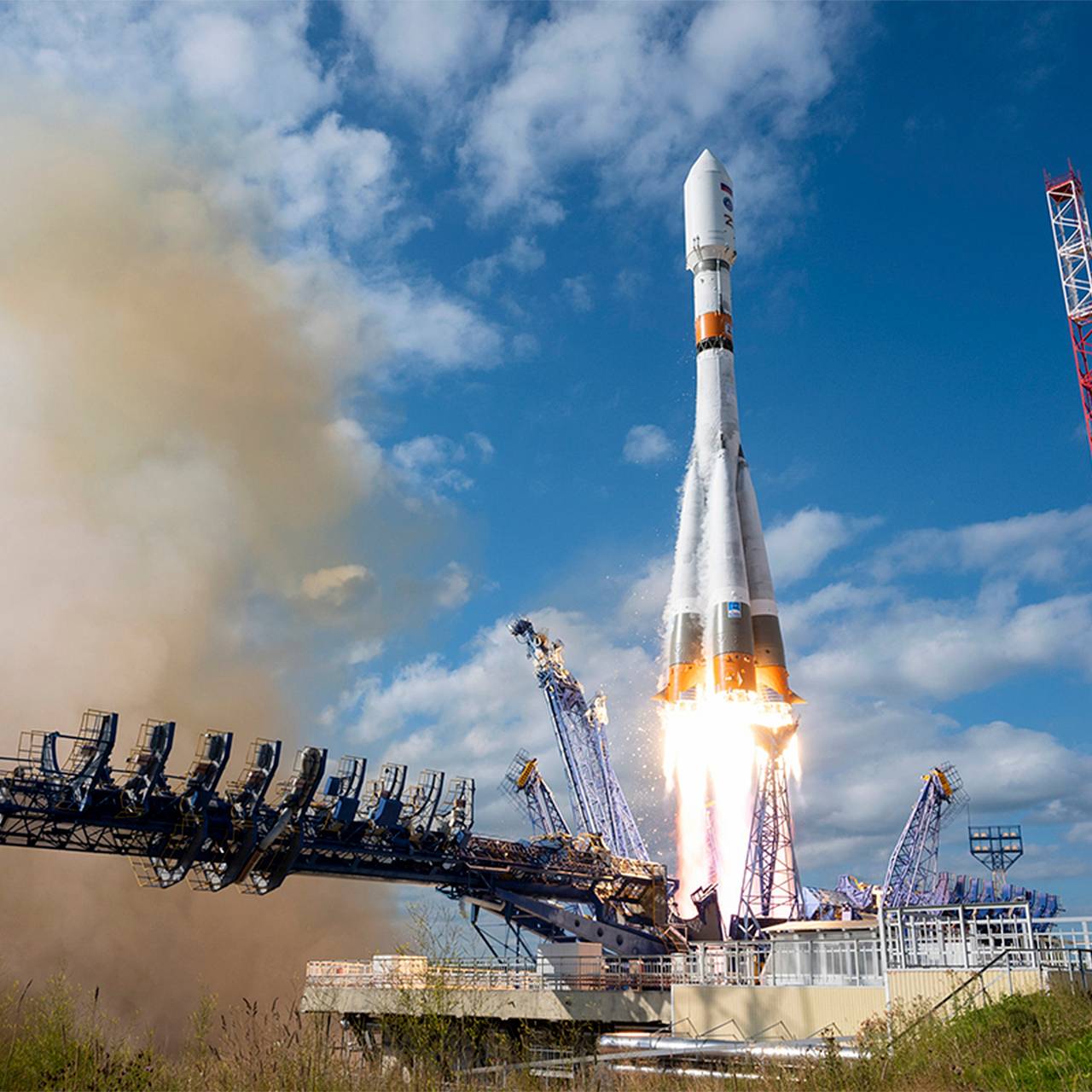
Amid a prolonged war, mounting sanctions pressure, and slowing economic growth, Russian authorities continue to channel substantial resources into military programs and costly technological projects. In June, the country's leadership once again announced plans to develop a domestic alternative to Starlink while simultaneously expanding the size of the armed forces, despite increasing pressure on the federal budget and persistent socio-economic challenges.
One of the flagship initiatives of recent months has been the low-Earth orbit satellite constellation "Rassvet" ("Dawn"), which the government presents as a future competitor to the American Starlink system. Following the launch of the first 16 satellites, President Vladimir Putin declared that the key task of creating a domestic equivalent had effectively been accomplished. However, the actual scale of the project remains far from comparable to its foreign counterparts. Experts note that hundreds of satellites would be required to provide stable coverage, while Starlink already operates a constellation numbering in the thousands and continues to expand rapidly.
Critics argue that claims of imminent competition with the American network appear more like a political statement than a reflection of current technological capabilities. In recent years, Russia’s space sector has faced technological constraints, limited investment, and difficulties accessing components affected by international sanctions. Under such conditions, building a fully functional global communications network will require enormous financial resources, while the project's long-term viability remains uncertain.
At the same time, the government continues its military recruitment drive. According to independent analysts, approximately 71,000 people signed contracts with the Russian Ministry of Defense during the first quarter of 2026. Although the figure remains substantial, it is lower than during the same period last year. Analysts suggest this may indicate a gradual depletion of the pool of willing recruits and growing difficulties in attracting new personnel.
Economists point out that an increasing share of state resources is being concentrated on military and military-related priorities. While the government allocates billions of rubles to defense programs, many civilian sectors continue to struggle with underinvestment, while ordinary citizens face declining living standards and rising prices. Against this backdrop, efforts to simultaneously finance large-scale military expansion and ambitious space projects are raising more questions about the long-term sustainability of Russia’s current development model.
According to a number of observers, the Russian leadership is effectively betting on the further militarization of the economy. History, however, suggests that excessive concentration of resources in the defense sector often leads to stagnation in civilian industries, growing fiscal imbalances, and declining overall competitiveness. Whether Russia can achieve its stated ambitions without incurring significant economic costs remains an open question.


 Latest news
Latest news
Latest newsUkraine’s Battlefield Experience Opens New Opportunities in Asia’s Drone Market
19.Jun.2026
Azerbaijan’s Oil Trap: Why the Economy Is Standing Still
18.Jun.2026
Motorcycle Noise Seen as Obstacle to Air Defense Operations in Crimea
17.Jun.2026
Rising Wages and Euro Integration: Bulgaria Enters a New Economic Era
17.Jun.2026
Armenia After June 7: Pashinyan Remains in Power, Moscow Unhappy
17.Jun.2026
$300 Billion Deal: Iran Poised to Receive the Largest Investment Package in Modern Middle Eastern History
16.Jun.2026
Infrastructure Pressure: Putin Acknowledges the Economic Impact of Ukrainian Attacks
15.Jun.2026
Kyiv and Moscow Trade Blame After Damage Reported at Kyiv Pechersk Lavra
15.Jun.2026
IMF Raises Georgia’s Economic Growth Forecast to 6.5% for 2026
15.Jun.2026
EU Opens the Door to Ukraine and Moldova as First Membership Talks Begin
14.Jun.2026