
 24 Jun 2026









Erdogan Prepares for a New Battle for Power as Ruling Party Names Him Its Candidate for the Next Election
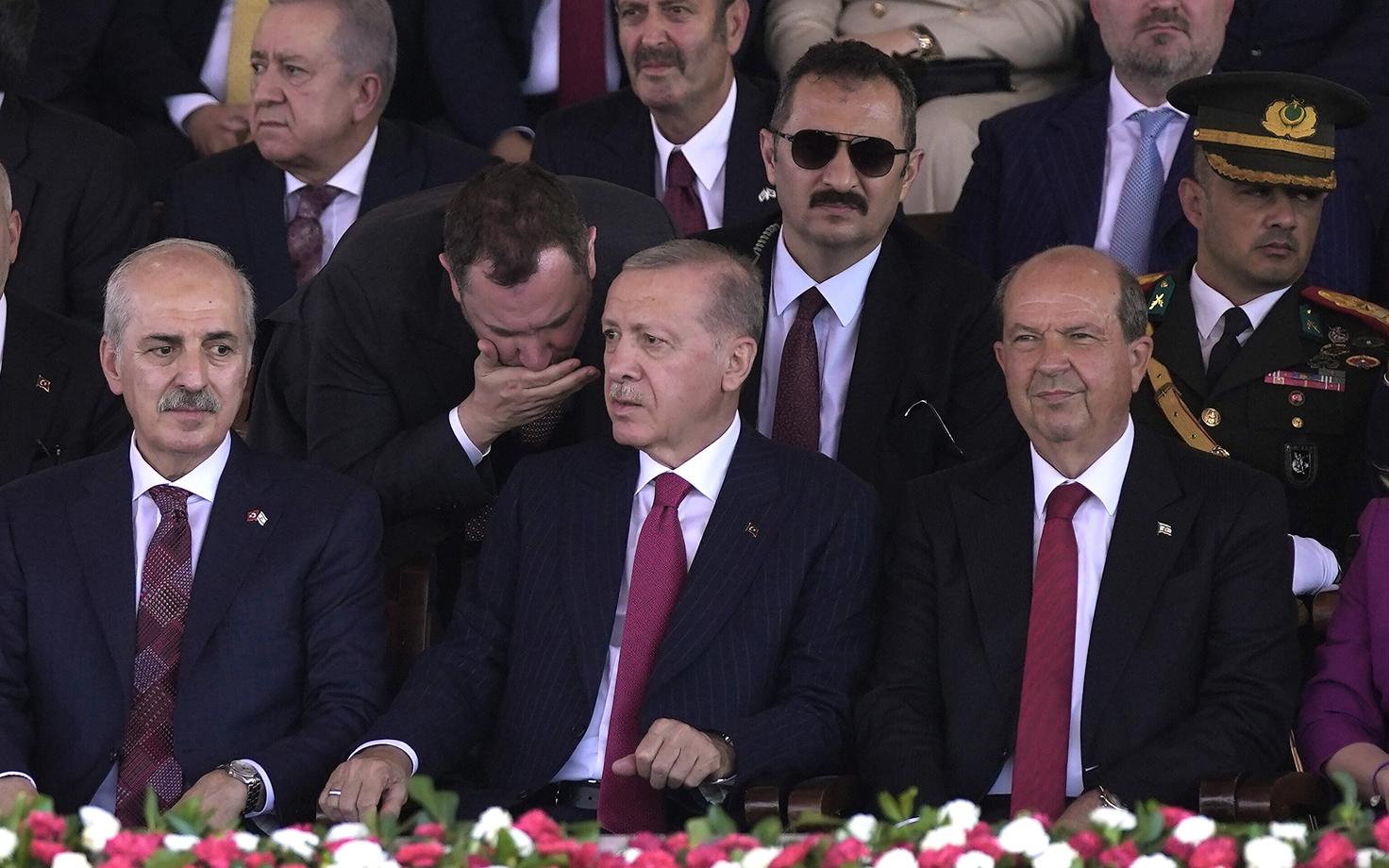
Turkiye has effectively begun preparations for its next presidential cycle. The ruling Justice and Development Party (AK Parti) has made it clear that it sees no alternative to President Recep Tayyip Erdogan and intends to nominate him once again for the country’s highest office. Although the next scheduled presidential election is not due until 2028, the party’s announcement sends a strong political signal that the Erdogan era is far from over.
AK Parti spokesperson Omer Chelik stressed that Erdogan’s candidacy is not a matter of debate within the party. According to him, the president remains the undisputed leader of the ruling camp and continues to enjoy the full backing of both AK Parti and its key coalition partner, the Nationalist Movement Party (MHP), led by Devlet Bahcheli. It was Bahçeli’s recent remarks in support of maintaining the current political course that prompted the ruling party to publicly reaffirm its position.
Behind the confident statements, however, lies a far more complex political equation. Under Turkiye’s current constitution, Erdogan has already served the maximum number of presidential terms permitted under normal circumstances. As a result, any future candidacy would likely require either constitutional amendments or the calling of early elections, which could create a legal pathway for him to run again. For this reason, many Turkish political analysts view the latest statements not only as a display of party unity but also as the beginning of a broader effort to prepare public opinion for potential political and constitutional developments in the years ahead.
The state of the opposition is also shaping the political landscape. Following its defeat in the last presidential election, the country’s largest opposition force, the Republican People’s Party (CHP), has been grappling with internal disputes, leadership struggles, and legal challenges. These difficulties have weakened the opposition’s position and created a more favorable environment for the ruling coalition. In Ankara, there is growing speculation that the government could seek to capitalize on this moment and potentially push for an early election before the opposition has a chance to fully regroup.
On the international stage, Erdogan continues to reinforce his image as a leader capable of pursuing an independent foreign policy amid global instability. In recent months, he has sought to position Turkiye as a key diplomatic player in regional crises, maintaining dialogue with both Western allies and Russia while promoting the country’s role as a strategic energy and transportation hub connecting Europe, Asia, and the Middle East. These efforts have become an integral part of his political brand, which for years has been built around the vision of a strong, influential, and independent Turkiye.
At the same time, significant challenges remain. Despite advances in the defense industry and Turkiye’s growing international profile, the economy continues to face pressure from high inflation, rising living costs, and currency volatility. Economic concerns remain the opposition’s strongest line of attack and are widely expected to become the defining issue of the next election campaign.
For Erdogan personally, the next election could prove historic. Should he secure another candidacy and emerge victorious, he would further cement his status as one of the most influential political figures in modern Turkish history. Yet the road ahead is unlikely to be straightforward. The country is expected to face intense political debates, discussions over constitutional reform, and a renewed struggle over the future direction of the Turkish state.
For that reason, many observers see the ruling party’s announcement as far more than a routine political endorsement. Rather, it marks the opening chapter of what could become one of the most consequential and closely watched political contests in Turkiye’s recent history, with implications extending well beyond the country’s borders.
CCBS Expert Group


 Latest news
Latest news
Latest newsUkraine’s Battlefield Experience Opens New Opportunities in Asia’s Drone Market
19.Jun.2026
Azerbaijan’s Oil Trap: Why the Economy Is Standing Still
18.Jun.2026
Motorcycle Noise Seen as Obstacle to Air Defense Operations in Crimea
17.Jun.2026
Rising Wages and Euro Integration: Bulgaria Enters a New Economic Era
17.Jun.2026
Armenia After June 7: Pashinyan Remains in Power, Moscow Unhappy
17.Jun.2026
$300 Billion Deal: Iran Poised to Receive the Largest Investment Package in Modern Middle Eastern History
16.Jun.2026
Infrastructure Pressure: Putin Acknowledges the Economic Impact of Ukrainian Attacks
15.Jun.2026
Kyiv and Moscow Trade Blame After Damage Reported at Kyiv Pechersk Lavra
15.Jun.2026
IMF Raises Georgia’s Economic Growth Forecast to 6.5% for 2026
15.Jun.2026
EU Opens the Door to Ukraine and Moldova as First Membership Talks Begin
14.Jun.2026