
 24 Jun 2026









Destruction of Rare North Korean Self-Propelled Gun "Koksan" on the Zaporizhzhia Front
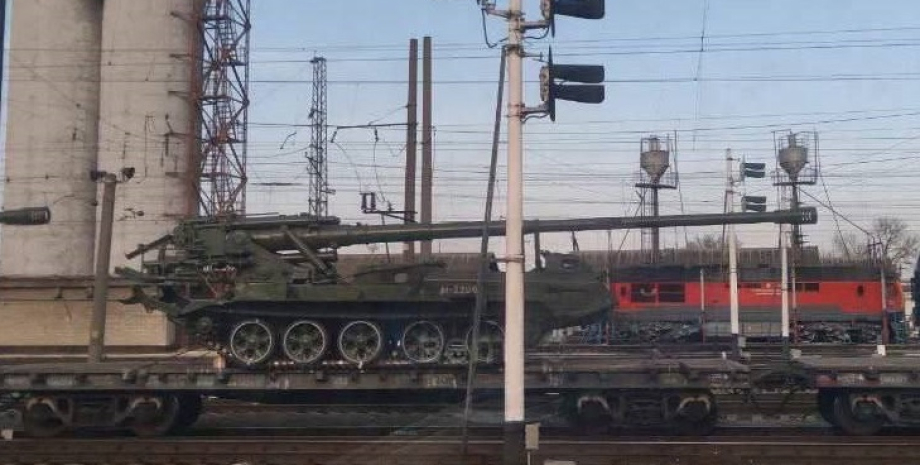
The
Armed Forces of Ukraine have reported the destruction of a rare North Korean
self-propelled artillery unit (SPA) – the 170mm “Koksan” – on a section of the Zaporizhzhia front.
According to the General Staff of the Ukrainian Armed Forces, the artillery
system was detected by reconnaissance assets and then struck with
precision-guided munitions.
The "Koksan" is considered one of the longest-range self-propelled
artillery systems in the world, with a maximum firing range of
up to 60 km when using
rocket-assisted projectiles. These systems are extremely rare and have almost never been recorded
in the theater of combat in Ukraine.
Ukrainian UAV operators released video footage of the
strike, clearly showing the weapon’s distinctive long barrel, which enabled it
to be identified as the M-1978 Koksan, developed in North Korea during the 1970s.
The damage was confirmed by secondary reconnaissance and drone surveillance.
This incident is direct evidence of arms transfers from North Korea to Russia,
something previously reported by both Western intelligence and Ukrainian
officials. The destruction of such a rare system proves that military cooperation between Moscow and
Pyongyang has entered an active phase, despite international
sanctions.
North Korea is a sanctioned country officially prohibited from exporting
weapons. Russia’s use of such artillery systems highlights the depletion of its own stockpiles
and an increasing reliance on
foreign suppliers.
Although the Koksan’s effectiveness in real combat is
limited – with long reload
times, lack of automation, and poor protection – its deployment
has a propaganda function,
attempting to demonstrate range and technical diversity in Russia’s arsenal.
The destruction of such a system vividly demonstrates the vulnerability of even exotic
weaponry in the face of modern reconnaissance and precision
strike capabilities. It also underscores the system’s technical obsolescence, as the
Koksan lacks modern targeting and drone defense systems.
Eliminating such a rare artillery unit also delivers a psychological and informational
blow to the military propaganda efforts of both Russia and
North Korea. Furthermore, it signals to the international community that Russia
is broadening its circle of
authoritarian partners to replenish its arsenal.
On the Zaporizhzhia front, the intensity of combat remains
high. Fighting is especially active in the areas of Orikhiv, Verbove, and Robotyne. Ukrainian
forces continue to conduct targeted strikes on enemy rear positions and
artillery assets using UAVs, HIMARS, and conventional artillery.
The destruction of the North Korean Koksan SPA is not only a tactical success for Ukraine but also a significant geopolitical signal. Russia continues to show growing dependence on non-standard sources of weaponry, while Ukraine demonstrates its capability to detect and neutralize such assets effectively – regardless of their origin.


 Latest news
Latest news
Latest newsUkraine’s Battlefield Experience Opens New Opportunities in Asia’s Drone Market
19.Jun.2026
Azerbaijan’s Oil Trap: Why the Economy Is Standing Still
18.Jun.2026
Motorcycle Noise Seen as Obstacle to Air Defense Operations in Crimea
17.Jun.2026
Rising Wages and Euro Integration: Bulgaria Enters a New Economic Era
17.Jun.2026
Armenia After June 7: Pashinyan Remains in Power, Moscow Unhappy
17.Jun.2026
$300 Billion Deal: Iran Poised to Receive the Largest Investment Package in Modern Middle Eastern History
16.Jun.2026
Infrastructure Pressure: Putin Acknowledges the Economic Impact of Ukrainian Attacks
15.Jun.2026
Kyiv and Moscow Trade Blame After Damage Reported at Kyiv Pechersk Lavra
15.Jun.2026
IMF Raises Georgia’s Economic Growth Forecast to 6.5% for 2026
15.Jun.2026
EU Opens the Door to Ukraine and Moldova as First Membership Talks Begin
14.Jun.2026