
 24 Jun 2026









- Military losses at the front. According to Western intelligence, Russia has suffered significant human losses in more than three years of war. The additional draft could compensate for the shortage of manpower, especially in infantry units.
- Exhaustion of the contract system. Despite an active campaign to recruit volunteers and “contract soldiers” with promises of high salaries and social benefits, the flow of applicants does not meet the army’s real needs. Conscription thus becomes the Kremlin’s “safety net”.
- A political signal. The mass draft demonstrates to the domestic audience the authorities’ willingness to continue the war “at any cost”, while sending external players the message that Russia is determined not to make concessions despite sanctions and military difficulties.
- Growing discontent in major cities. In Moscow, St. Petersburg, and other metropolitan areas, mass conscription is perceived negatively. These cities have more people critical of the war, and youth casualties provoke protest sentiment.
- Radicalization of society. On the one hand, propaganda reinforces militarization of consciousness; on the other, families of conscripts may become potential sources of discontent if the number of “cargo 200” (military fatalities) increases.
Russia Announces Largest Autumn Draft in Recent Years: What Lies Behind the Kremlin’s Mobilization Policy
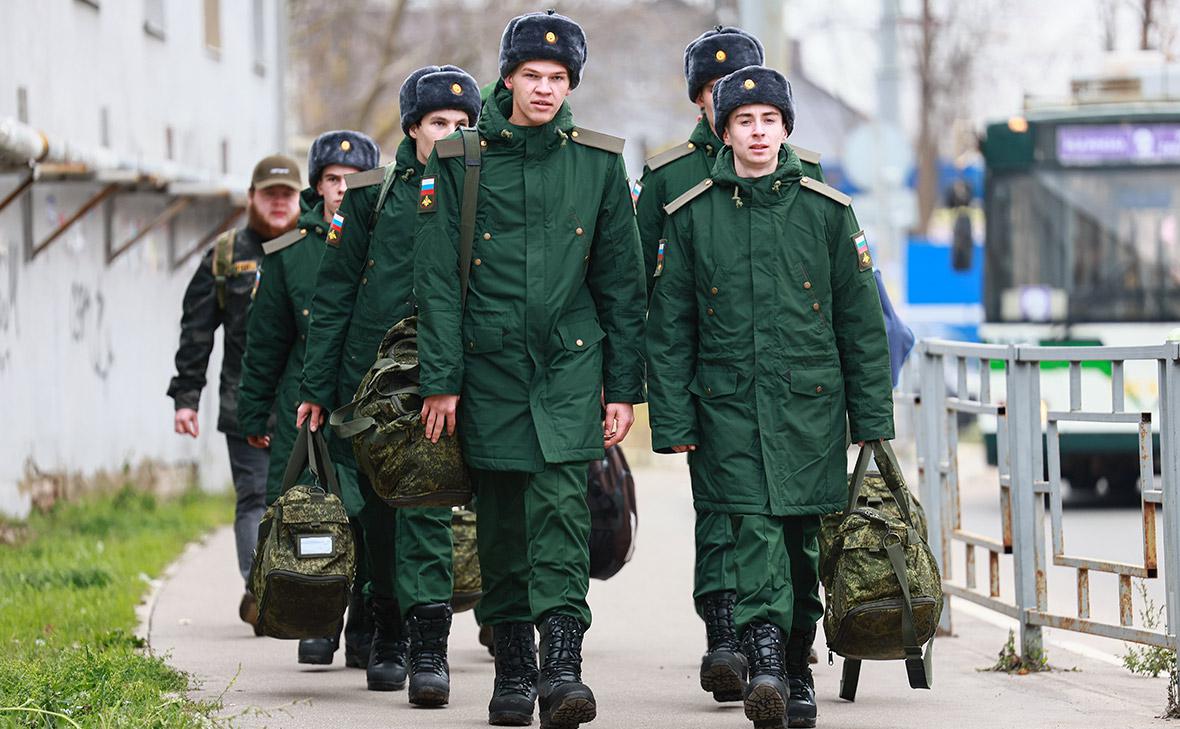
The announcement of the conscription of 135,000 people into the Russian army has become one of the key news items of early October. This is the largest autumn draft in the past nine years, and its scale indicates that Moscow continues to seek new resources to sustain its military machine amid the protracted war against Ukraine and growing confrontation with the West.
Let us examine what this step by the Kremlin means, what goals it pursues, and what the possible consequences are both domestically and abroad.
Reasons for the Large-Scale Draft:
Domestic Consequences:

The Kremlin emphasizes that this is a “planned autumn draft” rather than a new wave of mobilization. However, in the context of an ongoing war, the boundaries between these concepts are blurred: conscripts may be rapidly transferred into combat units.
Particular attention is paid to Russia’s depressed regions and national republics of the North Caucasus, the Volga region, and Siberia. Protest potential there is lower, and social dependence on the state is higher.
In times of crisis, the growing number of families of servicemen and mobilized soldiers increases pressure on regional budgets: benefits, allowances, and payments all add extra strain on the economy.
In the US and EU, the expansion of the mobilization resource is viewed as evidence of difficulties within the Russian army at the front. Kyiv, meanwhile, may seize the moment to intensify pressure before the new recruits complete their training. For China, Iran, and other states supporting Moscow, this draft signals that Russia intends to wage a long war and is in need of additional assistance.
The autumn draft of 135,000 people is not just a statistical figure. It is an indicator of the state of the Russian army and the Kremlin’s strategy. Moscow is betting on a “human resource” approach, continuing a war of attrition. However, such a strategy carries internal risks: declining trust in the authorities, rising social tensions, and increasing economic strain. In the long term, mass conscription may undermine the regime’s stability more than external pressure ever could.


 Latest news
Latest news
Latest newsUkraine’s Battlefield Experience Opens New Opportunities in Asia’s Drone Market
19.Jun.2026
Azerbaijan’s Oil Trap: Why the Economy Is Standing Still
18.Jun.2026
Motorcycle Noise Seen as Obstacle to Air Defense Operations in Crimea
17.Jun.2026
Rising Wages and Euro Integration: Bulgaria Enters a New Economic Era
17.Jun.2026
Armenia After June 7: Pashinyan Remains in Power, Moscow Unhappy
17.Jun.2026
$300 Billion Deal: Iran Poised to Receive the Largest Investment Package in Modern Middle Eastern History
16.Jun.2026
Infrastructure Pressure: Putin Acknowledges the Economic Impact of Ukrainian Attacks
15.Jun.2026
Kyiv and Moscow Trade Blame After Damage Reported at Kyiv Pechersk Lavra
15.Jun.2026
IMF Raises Georgia’s Economic Growth Forecast to 6.5% for 2026
15.Jun.2026
EU Opens the Door to Ukraine and Moldova as First Membership Talks Begin
14.Jun.2026