
 24 Jun 2026









Municipal Elections in Georgia: Protests, Charges, and Growing Tensions with the EU
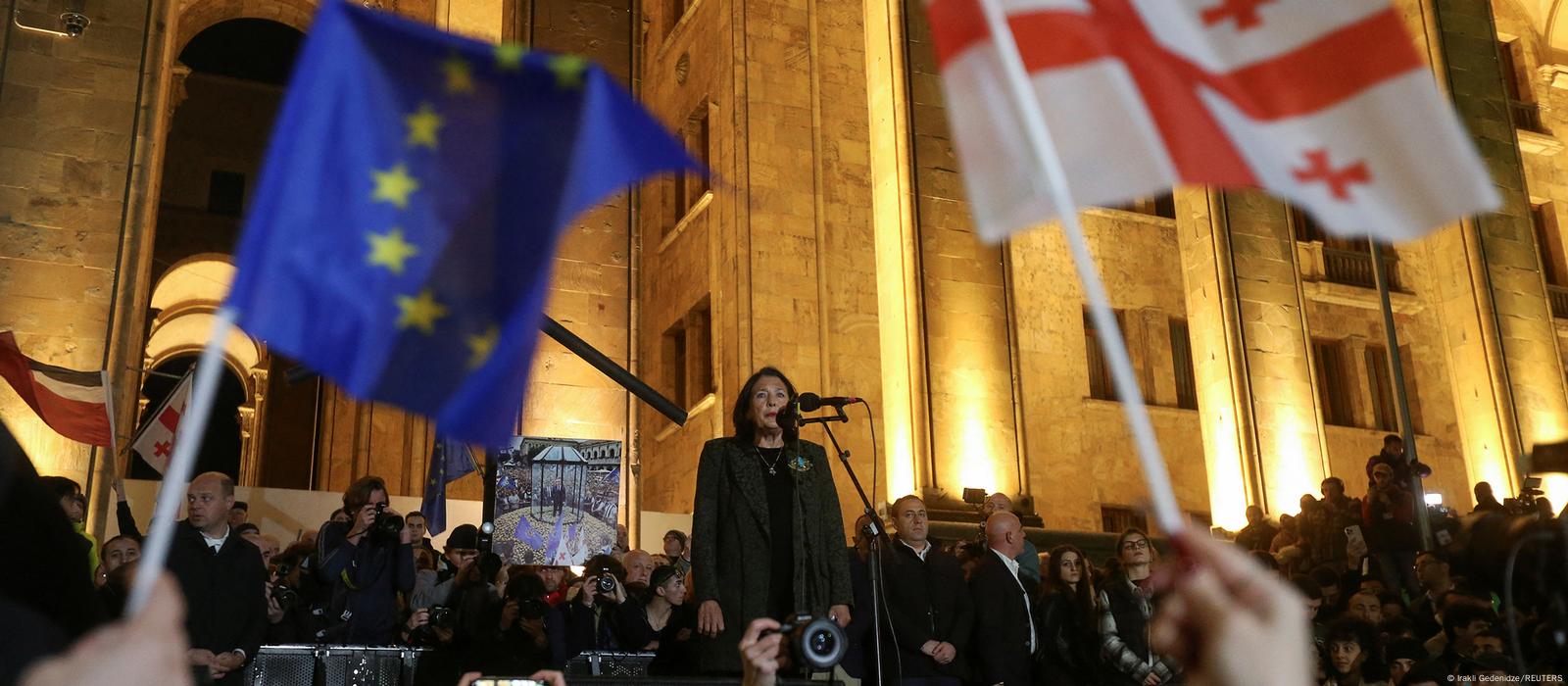
Recent
events in Georgia point to a surge in political tension across the country.
Following mass protests on October 4 – which escalated into clashes with police
– authorities have charged five opposition leaders with attempting to overthrow
the government. The charges carry a prison sentence of up to nine years, a move
many analysts view as a signal of the ruling party’s increasingly hardline
stance.
The
Georgian Prosecutor’s Office has opened a criminal case against five opposition
figures, accusing them of organizing “mass unrest with the aim of seizing power
by force.” This came shortly after demonstrations in central Tbilisi, where
tens of thousands of citizens took to the streets to express dissatisfaction
with the results of local elections and the actions of the government.
Prime
Minister Irakli Kobakhidze
stated that the protests had a “clearly subversive character” and represented
an attempt at a “foreign-backed coup”. According to him, “certain foreign
partners”, including the European Union,
allegedly played a role in escalating the situation.
These remarks sparked a sharp reaction from EU diplomatic missions, which
called the accusations “unfounded and damaging to bilateral relations”.

The
October 4 protests began peacefully but later turned violent as demonstrators
attempted to break through to the presidential palace, demanding the
government’s resignation. Security forces responded with tear gas and water cannons. Both
protesters and law enforcement officers were injured. The opposition has
accused the authorities of excessive
use of force and “attempting to suppress any expression of dissent”.
The
trigger for the unrest was the local
elections held on October 4. Several opposition parties boycotted the
vote, citing irregularities and a lack of transparency.
According to some reports, voter turnout was only 33.5%, one of the lowest in recent years. Political analysts say
this figure reflects a deep crisis of
public trust in the electoral system and state institutions.
Amid
the protests, the government hastened to pass several bills toughening
penalties for “participation in unauthorized assemblies” and “incitement to
unrest”. The new provisions introduce criminal liability for actions previously
classified as administrative offenses.
As
a result, dozens of activists, journalists, and opposition politicians have
been arrested or placed under investigation. International human rights
organizations have already called on the Georgian authorities to halt the “wave of politically motivated detentions”
and to resume dialogue with the opposition.
The
domestic crisis unfolds against a backdrop of cooling relations between Tbilisi and Brussels. Following Prime
Minister Kobakhidze’s remarks accusing the EU of interference in Georgia’s
internal affairs, representatives of the European Commission voiced “deep concern” and reminded the
Georgian government that its European prospects depend on adherence to democratic principles and the rule
of law.
Experts warn that the current turmoil could seriously jeopardize Georgia’s EU integration prospects, especially in light of the recently adopted “foreign agents” law, which drew widespread criticism from Western partners.
“If the situation continues to evolve in this direction, Georgia risks sliding into political isolation similar to Belarus in 2020”, said David Nodaria, a political analyst based in Tbilisi.
The situation remains extremely tense. The opposition is calling for new demonstrations, while the authorities have vowed to “firmly maintain order”. Police and special forces continue to patrol the streets of Tbilisi. Analysts warn that without genuine dialogue between the government and society, Georgia may enter a prolonged political crisis – one whose consequences could extend far beyond domestic politics.


 Latest news
Latest news
Latest newsUkraine’s Battlefield Experience Opens New Opportunities in Asia’s Drone Market
19.Jun.2026
Azerbaijan’s Oil Trap: Why the Economy Is Standing Still
18.Jun.2026
Motorcycle Noise Seen as Obstacle to Air Defense Operations in Crimea
17.Jun.2026
Rising Wages and Euro Integration: Bulgaria Enters a New Economic Era
17.Jun.2026
Armenia After June 7: Pashinyan Remains in Power, Moscow Unhappy
17.Jun.2026
$300 Billion Deal: Iran Poised to Receive the Largest Investment Package in Modern Middle Eastern History
16.Jun.2026
Infrastructure Pressure: Putin Acknowledges the Economic Impact of Ukrainian Attacks
15.Jun.2026
Kyiv and Moscow Trade Blame After Damage Reported at Kyiv Pechersk Lavra
15.Jun.2026
IMF Raises Georgia’s Economic Growth Forecast to 6.5% for 2026
15.Jun.2026
EU Opens the Door to Ukraine and Moldova as First Membership Talks Begin
14.Jun.2026