
 24 Jun 2026









- whether a sustainable ceasefire is achievable;
- whether
Russia will agree to any international force;
- who
would command such a mission;
- which
countries are prepared to contribute troops, and in what numbers.
Turkey Insists: Ceasefire Between Russia and Ukraine Must Come First Before Any Talks on Troop Deployment
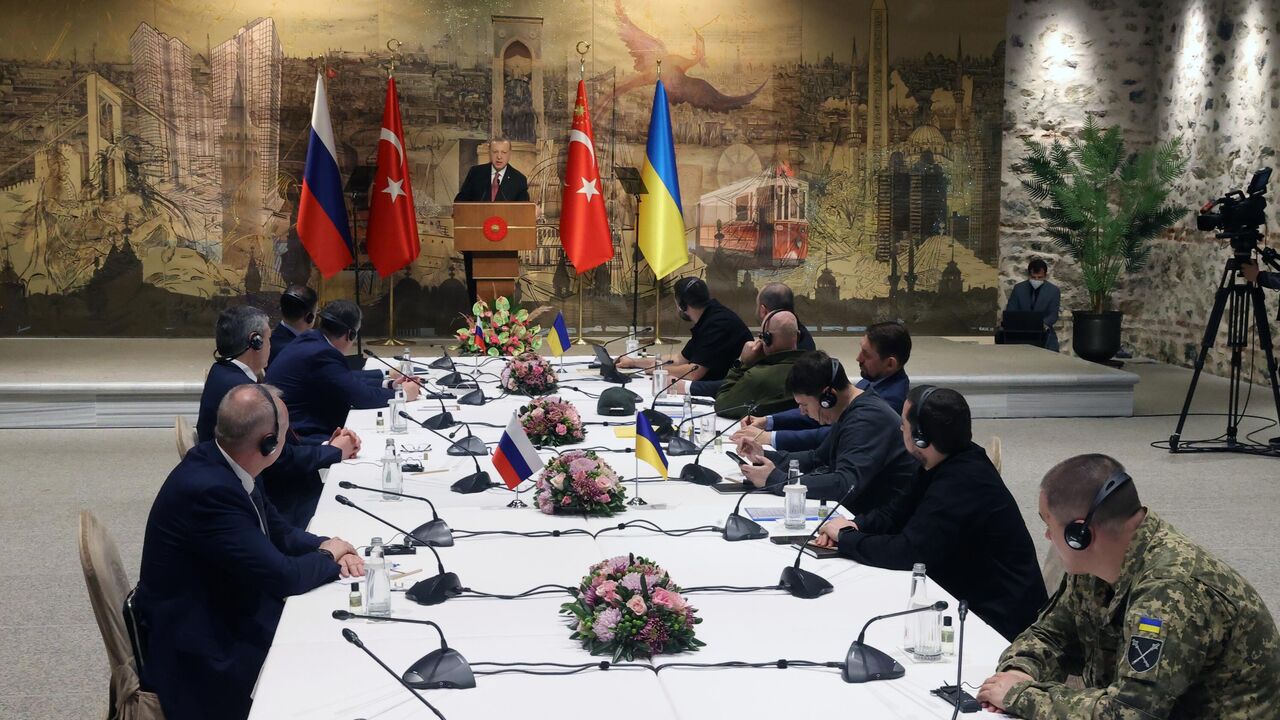
Turkey
has issued an official statement declaring that any discussions regarding the
participation of Turkish troops in an international mission on Ukrainian
territory can only take place after a lasting ceasefire between Russia and
Ukraine is achieved. A Defense Ministry spokesman made the remarks while
commenting on the initiative to create a so-called “confidence force” – a
multinational contingent intended to ensure security in Ukraine should
political agreements be reached.
According to Turkish officials, holding talks on troop
deployment without a clear understanding of the mission’s objectives would be
premature. Ankara emphasizes that any participation would require prior
agreement on the mission’s legal mandate, its political goals and
decision-making mechanisms, the command structure, and each country’s
contributio including the size and functions of their contingents.
The Defense Ministry stressed that Turkey will not consider
participation in any operation if its parameters remain vague or could lead to
a direct confrontation with Russia.
The idea of establishing a new international force emerged
after proposals by French President Emmanuel Macron, who argued that European
countries should be prepared to send limited contingents to Ukraine to
“reinforce confidence” and prevent possible violations of a future agreement.
Paris suggested drawing on the model of multinational
missions run by NATO and the EU in the Balkans in the early 2000s. The United
Kingdom has already expressed willingness to “consider participation”, while
noting that any concrete steps would depend on diplomatic negotiations and
Ukraine’s position.
Throughout the conflict, Ankara has maintained a unique
mediating role, keeping working channels open with both Kyiv and Moscow. Turkey
has repeatedly facilitated humanitarian and grain-export negotiations and
continues to position itself as a country capable of contributing to a broader
settlement.
Sources in Turkish diplomatic circles say Ankara seeks to
avoid any moves that Moscow could interpret as direct military involvement.
Turkey has faced serious challenges in its relations with Russia in the past –
from tensions in Syria to the 2015 downing of a Russian jet – and therefore
prefers to act with extreme caution.
Kyiv welcomes discussions about a potential international
presence but stresses that any foreign forces must operate strictly within the
framework of Ukrainian sovereignty. Ukrainian officials believe a multinational
contingent could play a stabilizing role in areas where the risk of violations
remains high. However, they also acknowledge that without a formal ceasefire,
the mission cannot be implemented either legally or practically.
Russia’s position remains unchanged: Moscow has officially
stated that it considers any international forces on Ukrainian territory
“illegitimate” and “unacceptable”. Russian representatives have warned that the
presence of foreign troops in the conflict zone could “complicate the
negotiation process and increase the risk of escalation”.
This means that without diplomatic concessions from Russia,
the initiative may face significant political obstacles.
Experts note that the current discussions are primarily
preparatory. Western countries and Turkey are attempting to synchronize their
positions in case peace negotiations progress toward a practical phase.
Key questions remain unresolved:
Turkey’s statement sends an important signal: Ankara is not prepared to act hastily and ties any participation to the broader diplomatic process. In effect, Turkey is setting political conditions that must be met before the deployment of any international force can be discussed. As a result, until Russia and Ukraine agree at least on a ceasefire, the idea of a multinational “confidence force” remains more of a concept than a realistic operational plan.


 Latest news
Latest news
Latest newsUkraine’s Battlefield Experience Opens New Opportunities in Asia’s Drone Market
19.Jun.2026
Azerbaijan’s Oil Trap: Why the Economy Is Standing Still
18.Jun.2026
Motorcycle Noise Seen as Obstacle to Air Defense Operations in Crimea
17.Jun.2026
Rising Wages and Euro Integration: Bulgaria Enters a New Economic Era
17.Jun.2026
Armenia After June 7: Pashinyan Remains in Power, Moscow Unhappy
17.Jun.2026
$300 Billion Deal: Iran Poised to Receive the Largest Investment Package in Modern Middle Eastern History
16.Jun.2026
Infrastructure Pressure: Putin Acknowledges the Economic Impact of Ukrainian Attacks
15.Jun.2026
Kyiv and Moscow Trade Blame After Damage Reported at Kyiv Pechersk Lavra
15.Jun.2026
IMF Raises Georgia’s Economic Growth Forecast to 6.5% for 2026
15.Jun.2026
EU Opens the Door to Ukraine and Moldova as First Membership Talks Begin
14.Jun.2026