
 24 Jun 2026









Turkey and Armenia Agree to Ease Visa Regime
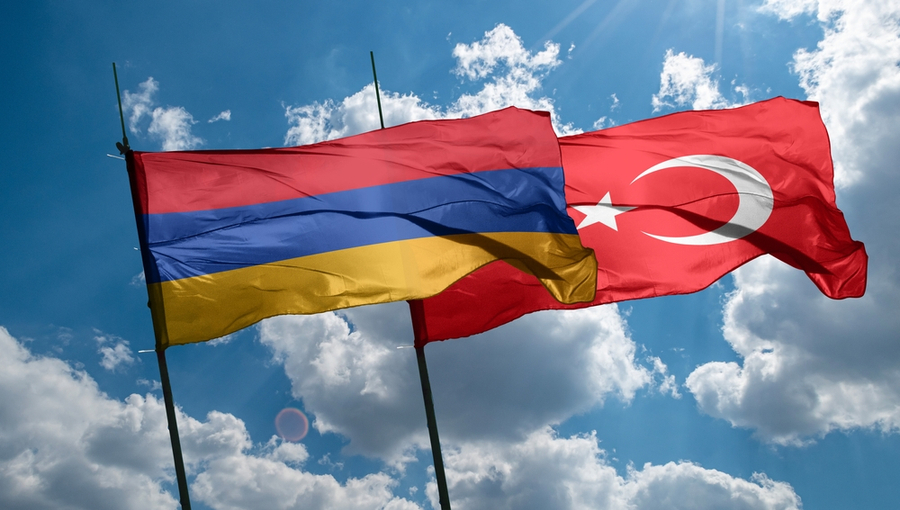
Ankara and Yerevan have announced a new step in the process of normalizing bilateral relations. Starting January 1, 2026, citizens of Turkey and Armenia holding diplomatic, service and special passports will be able to obtain electronic visas free of charge. The decision was formalized in a joint statement by Turkey’s Ministry of Foreign Affairs and reflects an agreement reached through dialogue between the two countries’ special envoys, a process that has been underway since 2021 as part of efforts to overcome long-standing differences and pave the way toward full relations without preconditions.
Relations between Ankara and Yerevan have remained strained for decades, with unresolved disputes over historical memory related to the events of 1915, which many historians classify as the Armenian genocide, a term rejected by Turkey in favor of alternative historical interpretations. Tensions have also been compounded by Turkey’s close political ties with Azerbaijan in the conflict over Nagorno-Karabakh, which led to the closure of the land border between Turkey and Armenia and the severing of diplomatic relations in 1993.

The easing of visa requirements is seen as a symbolic but important measure aimed at building trust and expanding contacts between official representatives of the two countries. In its statement, Turkey’s Foreign Ministry emphasized that the move is intended to support continued dialogue and the implementation of broader normalization agreements without any preconditions.

The decision also reflects ongoing efforts to promote regional cooperation. Previously, visa talks between Armenia and Turkey formed part of wider steps to reduce tensions in the region, including negotiations on the possible opening of the border, the expansion of trade ties, and coordination with the peace process between Armenia and Azerbaijan.
Analysts note that such measures, while limited in scope, could help lay the groundwork for further steps toward deeper political dialogue in 2026. The initiative has been welcomed in both Yerevan and Ankara as a practical element of improving bilateral cooperation, which over time could also facilitate broader contacts involving the business community and civil society.


 Latest news
Latest news
Latest newsUkraine’s Battlefield Experience Opens New Opportunities in Asia’s Drone Market
19.Jun.2026
Azerbaijan’s Oil Trap: Why the Economy Is Standing Still
18.Jun.2026
Motorcycle Noise Seen as Obstacle to Air Defense Operations in Crimea
17.Jun.2026
Rising Wages and Euro Integration: Bulgaria Enters a New Economic Era
17.Jun.2026
Armenia After June 7: Pashinyan Remains in Power, Moscow Unhappy
17.Jun.2026
$300 Billion Deal: Iran Poised to Receive the Largest Investment Package in Modern Middle Eastern History
16.Jun.2026
Infrastructure Pressure: Putin Acknowledges the Economic Impact of Ukrainian Attacks
15.Jun.2026
Kyiv and Moscow Trade Blame After Damage Reported at Kyiv Pechersk Lavra
15.Jun.2026
IMF Raises Georgia’s Economic Growth Forecast to 6.5% for 2026
15.Jun.2026
EU Opens the Door to Ukraine and Moldova as First Membership Talks Begin
14.Jun.2026