
 24 Jun 2026









Bulgaria at a Crossroads: Snap Elections as a Stage of Political Renewal
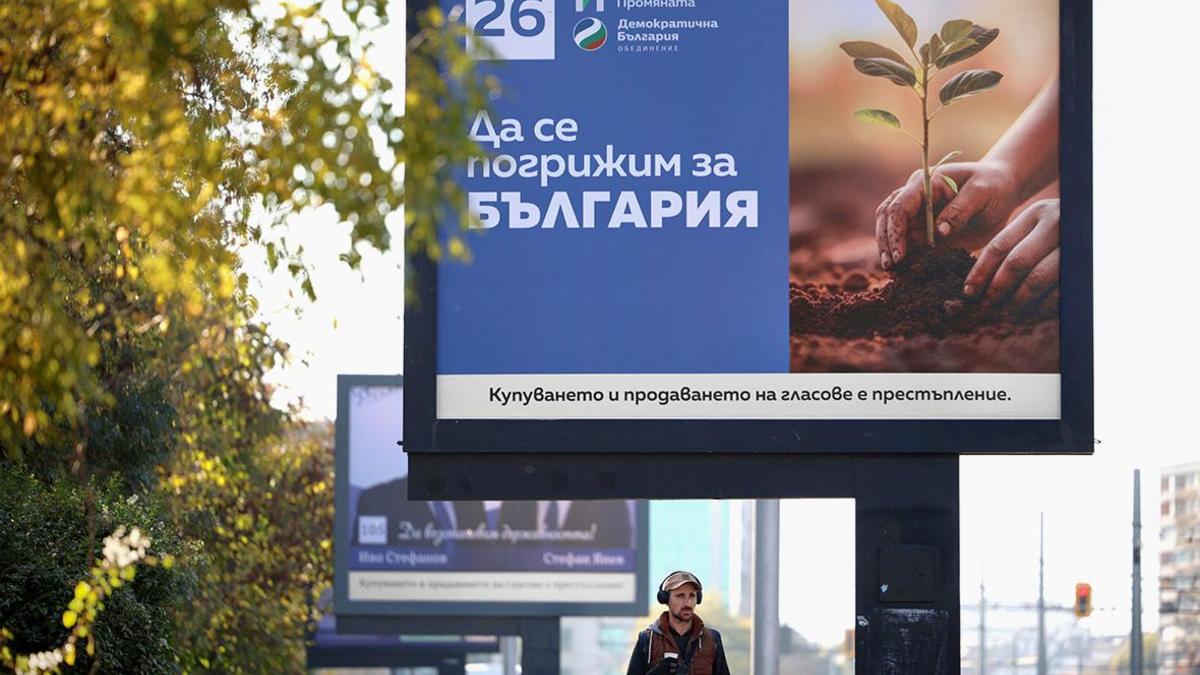
In Bulgaria, snap parliamentary elections are being held on Sunday, marking the eighth such vote in the past five years — a sign of a prolonged political cycle, but also evidence of the resilience of the country’s democratic institutions. Frequent changes of government and the complexity of forming coalitions reflect not a crisis of statehood, but a deep transformation of the political landscape, where voters continue to seek a balance between renewing elites, combating corruption, and maintaining economic stability.
A key participant in the current campaign is the “Progressive Bulgaria” coalition, associated with former president Rumen Radev. Despite the end of his presidential term, Radev retains significant influence in public and political life, drawing support from voters who favor a pragmatic course, social stability, and a more balanced foreign policy. According to analysts, this coalition is likely to secure first place; however, the formation of a government will once again depend on complex negotiations among multiple political forces.
These elections are taking place against the backdrop of notable economic changes: the country’s transition to the euro has strengthened integration into European structures and opened new opportunities for investment and trade. At the same time, public demand for transparent governance and effective reforms remains a key factor shaping voter behavior. In recent years, Bulgaria has shown a steady increase in civic engagement, reflected in active electoral dynamics and strong participation from the diaspora.
Political competition in the country remains intense, yet it continues within democratic procedures and institutional frameworks. Even amid reports of possible irregularities, Bulgarian authorities traditionally respond promptly to such signals, reinforcing trust in the electoral system. Experts note that the current electoral cycle could prove pivotal: it may either lead to the formation of a more stable coalition or solidify a model of multiparty balance in which governance is built through continuous dialogue and compromise.
Thus, the ongoing elections reflect not so much instability as a stage of political maturation in Bulgaria, where society actively participates in shaping the country’s course. The results of the vote will serve as an important signal both for domestic politics and for partners in the European Union, confirming that Bulgaria remains committed to democratic values and to finding effective solutions in a changing regional and global landscape.


 Latest news
Latest news
Latest newsUkraine’s Battlefield Experience Opens New Opportunities in Asia’s Drone Market
19.Jun.2026
Azerbaijan’s Oil Trap: Why the Economy Is Standing Still
18.Jun.2026
Motorcycle Noise Seen as Obstacle to Air Defense Operations in Crimea
17.Jun.2026
Rising Wages and Euro Integration: Bulgaria Enters a New Economic Era
17.Jun.2026
Armenia After June 7: Pashinyan Remains in Power, Moscow Unhappy
17.Jun.2026
$300 Billion Deal: Iran Poised to Receive the Largest Investment Package in Modern Middle Eastern History
16.Jun.2026
Infrastructure Pressure: Putin Acknowledges the Economic Impact of Ukrainian Attacks
15.Jun.2026
Kyiv and Moscow Trade Blame After Damage Reported at Kyiv Pechersk Lavra
15.Jun.2026
IMF Raises Georgia’s Economic Growth Forecast to 6.5% for 2026
15.Jun.2026
EU Opens the Door to Ukraine and Moldova as First Membership Talks Begin
14.Jun.2026