
 24 Jun 2026









Nikol Pashinyan stated the need for “surgical” reforms of the justice system and constitutional changes
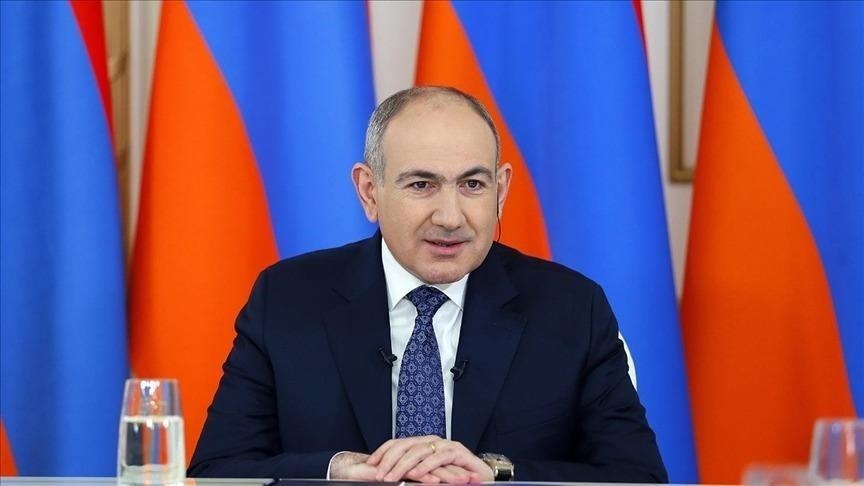
The Prime Minister of Armenia, Nikol Pashinyan, declared the need for radical changes in the justice system, calling its current state “shameful” and requiring urgent intervention. According to him, existing mechanisms no longer function effectively, and the problem must be addressed in a “surgical” manner.
Speaking in the National Assembly of Armenia, Pashinyan noted that the authorities attach particular importance to judicial reform, including the possible introduction of jury trials. He added that various state institutions still retain the influence of a “mafia system”, which, in his words, has “metastases” in parliament, the government, the courts, the prosecutor’s office, investigative bodies, and the police.
“We are fighting the mafia in many areas, and this mafia has its metastases everywhere. Enough of shaking the nerves of the people”, he said.
Pashinyan emphasized that, in his view, the current justice system reproduces itself and lacks sufficient connection with society.
“There is an organic problem: this system is not connected with the people. In the Republic of Armenia, there cannot be a body of power that does not originate from the people”, the Prime Minister noted.
The head of government also acknowledged that during eight years in power, his team has not been able to implement the necessary reforms. He explained this by the impossibility of carrying out changes without revising the Constitution.
“This is impossible without constitutional changes — neither with the current Constitution nor with its amendments”, Pashinyan stated.
At the same time, representatives of the opposition criticized the initiative. MP from the “Armenia” faction, Armen Rustamyan, said that calls for adopting a new Constitution have an external political origin.
“The demand for a new Constitution, no matter how it is presented, comes from Baku”, he noted.
Pashinyan’s statements reflect the authorities’ intention to overcome a prolonged institutional crisis and improve the effectiveness of the justice system through deep reforms, including possible constitutional changes. The emphasis on breaking with “mafia” practices and strengthening the connection between institutions and society indicates an attempt to reinforce state legitimacy and restore public trust. At the same time, criticism from the opposition, including Armen Rustamyan, shows that the reforms will take place amid political competition and will require broad internal consolidation.


 Latest news
Latest news
Latest newsUkraine’s Battlefield Experience Opens New Opportunities in Asia’s Drone Market
19.Jun.2026
Azerbaijan’s Oil Trap: Why the Economy Is Standing Still
18.Jun.2026
Motorcycle Noise Seen as Obstacle to Air Defense Operations in Crimea
17.Jun.2026
Rising Wages and Euro Integration: Bulgaria Enters a New Economic Era
17.Jun.2026
Armenia After June 7: Pashinyan Remains in Power, Moscow Unhappy
17.Jun.2026
$300 Billion Deal: Iran Poised to Receive the Largest Investment Package in Modern Middle Eastern History
16.Jun.2026
Infrastructure Pressure: Putin Acknowledges the Economic Impact of Ukrainian Attacks
15.Jun.2026
Kyiv and Moscow Trade Blame After Damage Reported at Kyiv Pechersk Lavra
15.Jun.2026
IMF Raises Georgia’s Economic Growth Forecast to 6.5% for 2026
15.Jun.2026
EU Opens the Door to Ukraine and Moldova as First Membership Talks Begin
14.Jun.2026