
 24 Jun 2026









U.S. warns Russia, China of U.N. isolation if Iran arms ban extension blocked
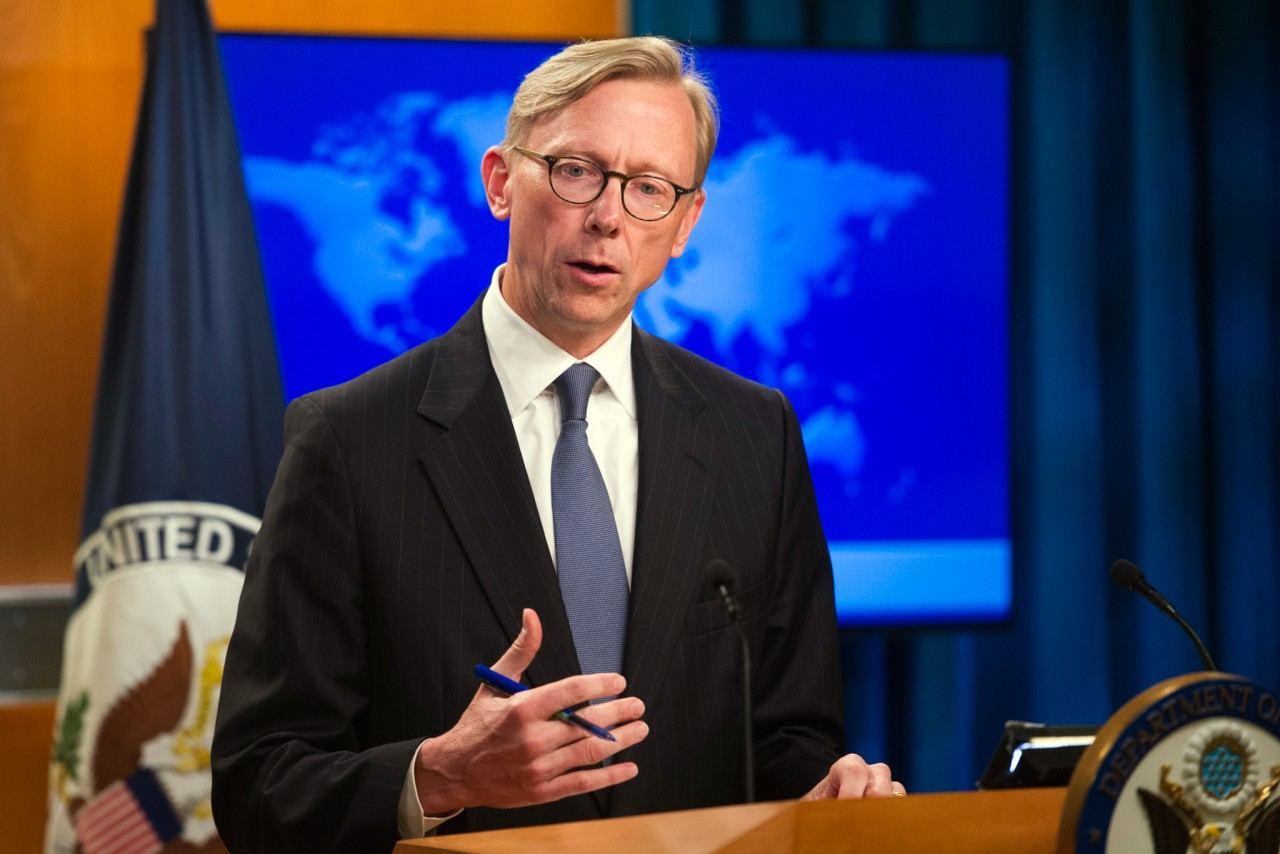
Russia and China will be isolated at the United Nations if they continue down the “road to dystopia” by blocking a U.S. bid to extend a weapons ban on Iran, U.S. Iran envoy Brian Hook told Reuters ahead of his formal pitch of the embargo to the U.N. Security Council on Wednesday, Reuters reported.
The 13-year-old arms restrictions on Iran are due to expire in October under the terms of Tehran’s 2015 nuclear deal with world powers. Russia and China have signaled they oppose extending the embargo.
While Washington has long argued that the embargo should not be lifted, the international community has been waiting for it to formally push the measure. Hook and U.S. Ambassador to the U.N. Kelly Craft made the case for why the 15-member council should support a draft resolution extending the embargo behind closed doors on Wednesday.
“We see a widening gap between Russia and China and the international community,” Hook said in an interview with Reuters on Tuesday evening.
“Russia and China were isolated at the (International Atomic Energy Agency) last week and they will be isolated in the Security Council if they continue down this road to dystopia,” Hook said.
The IAEA’s 35-nation board of governors on Friday called on Iran to allow the U.N. nuclear watchdog access to two sites suspected of nuclear weapons activities, and to cooperate fully. Iranian allies Russia and China opposed that move but could not block it, whereas at the Security Council they have veto powers.
A council resolution needs nine votes in favor and no vetoes by the United States, China, Russia, Britain or France to pass.
“There is no possibility for its adoption,” said a Chinese diplomat, speaking on condition of anonymity, after Hook and Craft briefed council envoys. “The U.S. draft resolution is in essence a continuation of the U.S. maximum pressure policy [on Iran] and it has no value or basis for discussion.”
Earlier this month, Iranian President Hassan Rouhani called on Russia and China to resist Washington’s push, pledging to “increase our defense capabilities as we have been doing so even under sanctions.”
‘CLEAR LIMITS’
“Extending the arms embargo is the right and necessary thing to do and every member of the Security Council knows this whether they say this publicly or not,” Hook said.
“The embargo has not prevented all Iranian weapons transfers, but the export and import bans have been effective at establishing clear limits on Iran’s behavior,” he argued.
The United States circulated the draft resolution on Monday after U.N. Secretary-General Antonio Guterres reported to the council earlier this month that cruise missiles used in several attacks on oil facilities and an international airport in Saudi Arabia last year were of “Iranian origin.”
If the United States is unsuccessful in extending the embargo, it has threatened to trigger a return of all U.N. sanctions on Iran under a process agreed in the 2015 nuclear deal, even though the United States quit the accord in 2018.
Such a move would kill the nuclear deal, touted by the United States and others in 2015 as a way to suspend Tehran’s suspected drive to develop nuclear weapons, and diplomats say Washington would face a tough battle in the council.
The United States argues it can trigger the sanctions because a U.N. resolution enshrining the 2015 nuclear deal still names Washington as a participant.
Iran has breached parts of the nuclear deal in response to the U.S. withdrawal and Washington’s reimposition of sanctions.
Rouhani said on Wednesday that Tehran would be open to talks with the United States if Washington apologizes for quitting the nuclear deal and compensates Tehran.
“We are happy to engage in conversations with them when the time is right but the conditions that suggest somehow we give a bunch of money to the Iranians so they can foment terror around the world is simply ludicrous,” U.S. Secretary of State Mike Pompeo said on Wednesday.


 Latest news
Latest news
Latest newsUkraine’s Battlefield Experience Opens New Opportunities in Asia’s Drone Market
19.Jun.2026
Azerbaijan’s Oil Trap: Why the Economy Is Standing Still
18.Jun.2026
Motorcycle Noise Seen as Obstacle to Air Defense Operations in Crimea
17.Jun.2026
Rising Wages and Euro Integration: Bulgaria Enters a New Economic Era
17.Jun.2026
Armenia After June 7: Pashinyan Remains in Power, Moscow Unhappy
17.Jun.2026
$300 Billion Deal: Iran Poised to Receive the Largest Investment Package in Modern Middle Eastern History
16.Jun.2026
Infrastructure Pressure: Putin Acknowledges the Economic Impact of Ukrainian Attacks
15.Jun.2026
Kyiv and Moscow Trade Blame After Damage Reported at Kyiv Pechersk Lavra
15.Jun.2026
IMF Raises Georgia’s Economic Growth Forecast to 6.5% for 2026
15.Jun.2026
EU Opens the Door to Ukraine and Moldova as First Membership Talks Begin
14.Jun.2026