
 13 Oct 2026









- On December 11, Foreign Minister Dmytro Kuleba announced that prosecutors at the International Criminal Court in The Hague had announced the decision that there was every reason to probe into the war crimes committed by the Russian Federation in Crimea and Donbas.
- He noted that "international justice is not quick, but inevitable." "The day will come when Russian criminals will certainly appear before the court," the minister added.
Stefanishyna: Hague court's decision means recognition of Russia's role in war crimes in Ukraine
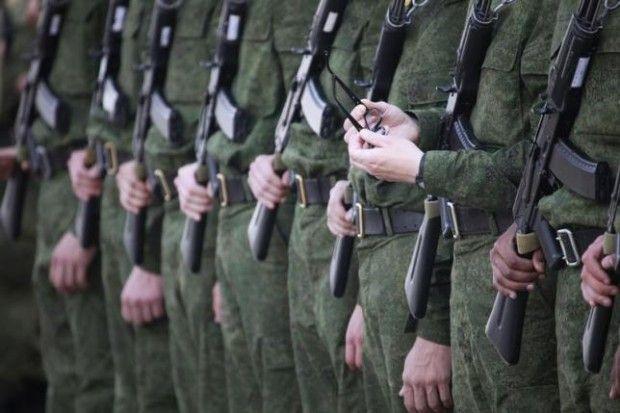
The investigation would proceed in stages.
The Hague-based International Criminal Court's readiness to launch a full-fledged investigation into war crimes and crimes against humanity in occupied Crimea and Donbas means recognition of Russia's involvement in the events in Ukraine.
Deputy Prime Minister for European and Euro-Atlantic Integration Olha Stefanishyna announced this on Ukraine 24 TV channel.
She explained that in the future, the investigation would proceed in stages.
"The decision to launch an investigation is the end of the first period of preparations for the beginning; this is in fact recognition of Russia's role in committing crimes against humanity in Ukrainian territory. In the future, the investigation will not proceed quickly, but in stages, in keeping with procedures. We have no fears. But it is obvious that Russia will use all possible tools, including hybrid ones, to sabotage this process," Stefanishyna said.
Asked about a time frame for the trial, the official said: "There is more than enough evidence of Russian aggression today. I think that not a single trial at the International Criminal Court, in particular that concerning Ukraine, could proceed quickly. Some cases have been considered for decades. I hope it won't be that long for Ukraine."
Hague court's decision to probe into Russia's war crimes in Ukraine


 Latest news
Latest news
Latest newsInflation in Romania Accelerates to 6.61%: Rising Prices Increase Pressure on Households and the Economy
13.Oct.2026
Can Europe Protect the International Criminal Court from Trump’s Sanctions?
13.Oct.2026
Georgia’s Constitutional Court Continues Case on Banning Opposition Parties: Political Pluralism at Stake
12.Oct.2026
Azerbaijan and Iran Step Up Security Contacts Amid Hijab Protests
12.Oct.2026
Personnel Shortages Complicate Ukrainian Forces’ Rotation: Ukraine Faces Long-Term Challenges on the Front Line
11.Oct.2026
Trump Eases Sanctions on Russian Fuel After Talks with Putin: Kyiv Fears Boost to Moscow’s War Revenues
10.Oct.2026
Putin Seeks to Strengthen Russia’s Influence in the Post-Soviet Space Through the CIS
10.Oct.2026
Russia and the South Caucasus: External Pressure, Political Competition and a Crisis of Trust
10.Oct.2026
Peaceful Settlement Between Armenia and Azerbaijan: Moving from Declarations to Implementation
10.Oct.2026
Moldova Ready to Accept as Many Ukrainians as Necessary if Situation Worsens This Winter
09.Oct.2026
Turkmenistan Turns Avaza into a Regional Diplomatic Hub as Caspian, Central Asian and CIS Agendas Converge
08.Oct.2026
Romania Scrambles Spanish F-18s After Aerial Targets Detected Near Ukrainian Border
07.Oct.2026
Berlin Deepens Defence Partnership with Kyiv: Germany to Provide Ukraine with €1 Billion in Military Aid
07.Oct.2026
European Parliament Against Georgian Dream: EU Prepares New Response to Tbilisi
06.Oct.2026
Bulgarian Foreign Minister to Discuss European Security and International Law in the Netherlands
05.Oct.2026