
 13 Oct 2026









Iran Amid a Growing Domestic Crisis: Causes, Dynamics, and External Factors
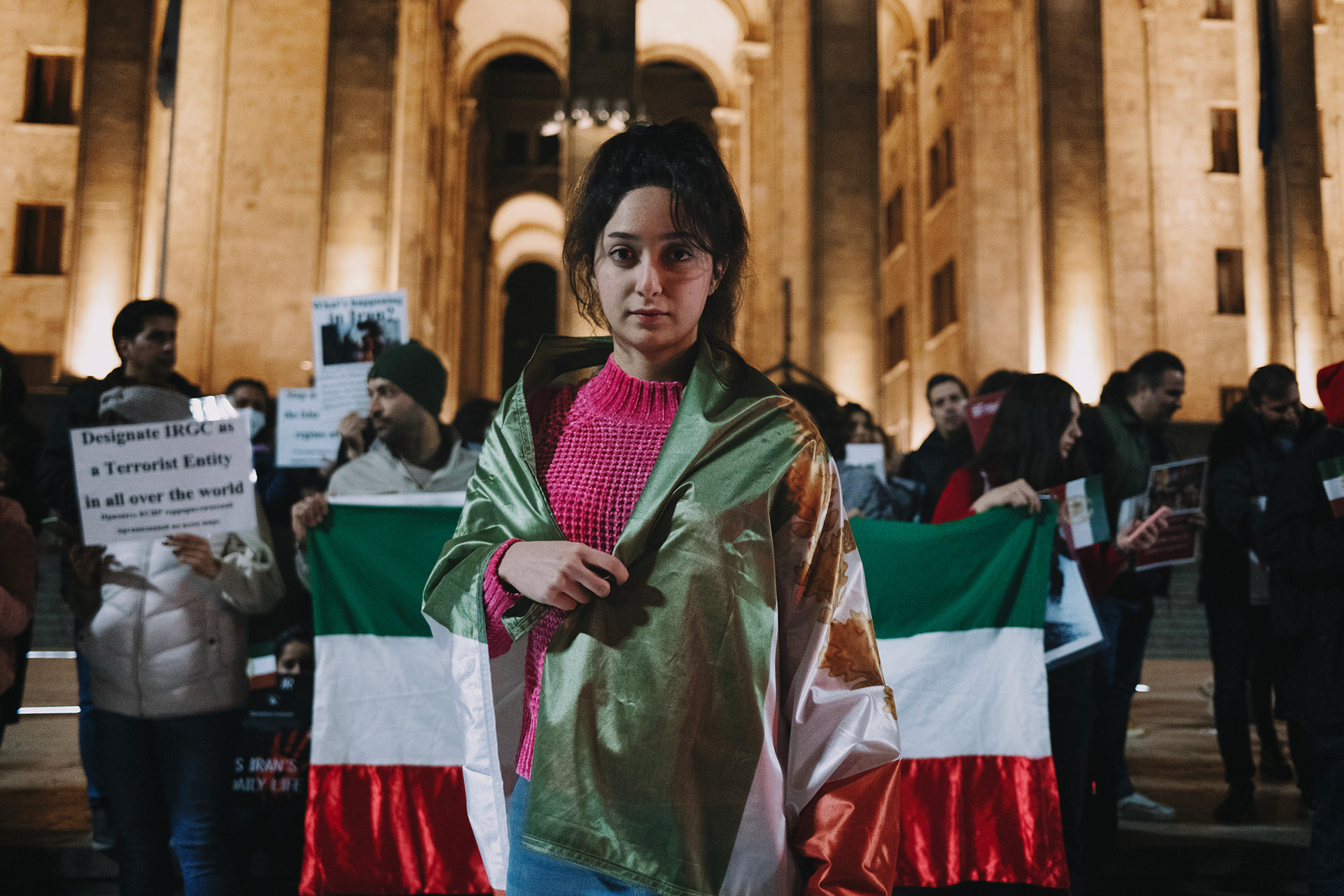
Iran is experiencing a large-scale socio-political crisis that, in terms of its depth and geographic scope, is becoming one of the most significant in recent years. Protest demonstrations that began in late December against the backdrop of a sharp deterioration in socio-economic conditions quickly spread to dozens of cities and moved beyond the bounds of localized discontent. Initially triggered by rising prices for basic goods, the collapse of the rial, and high inflation, the protests have increasingly seen economic demands transform into political slogans as the movement has expanded.
The social base of the protests remains heterogeneous. Participants include both low-income groups, which are most vulnerable to the rising cost of living, and the urban middle class, for whom economic decline is compounded by a perceived lack of social mobility and future prospects. In a number of cases, calls for systemic change and criticism of the country’s political order have emerged, giving the situation the character of not only a social but also a political crisis. This evolution of the protests has heightened concern among Iranian authorities, who have traditionally viewed mass street mobilization as a potential threat to state stability.
The response of the security forces has remained harsh. According to human rights organizations and international media, at least ten people have been killed in clashes, and hundreds of protesters have been detained. Despite limited access to independent information inside the country, these reports have contributed to a persistent international narrative about the use of force against demonstrators. Within Iran, official rhetoric is built around a distinction between “peaceful citizens” expressing social grievances and “instigators of unrest”, who are held responsible for the escalation of violence.
Supreme Leader Ali Khamenei has adopted a firm stance, declaring the need to suppress the protests and emphasizing that the country’s leadership does not intend to make concessions under external pressure. This approach is consistent with the established political logic of the Islamic Republic, within which mass protests are viewed not only as an internal challenge but also as a potential instrument of foreign interference. In this context, statements by foreign leaders – above all those from the United States – have taken on particular significance.
Remarks by U.S. President Donald Trump about possible support for Iranian protesters prompted a sharp reaction from Tehran. Iran’s Foreign Ministry described such statements as provocative and dangerous, accusing Washington of attempting to exploit the country’s internal difficulties to intensify pressure. In response, the American side indicated that it was closely monitoring the actions of Iranian authorities and did not rule out further steps in the event of the deaths of peaceful demonstrators. As a result, Iran’s internal crisis is increasingly being embedded in the logic of international confrontation, heightening diplomatic tensions between Tehran and Washington.
 Widespread nighttime protests in Iran, where citizens block the streets and express their discontent amid a growing socio-economic crisis
The economic drivers of the protests are systemic in nature and remain largely unresolved. The weakening of the national currency, high inflation, structural imbalances, and the effects of sanctions pressure undermine living standards and intensify social frustration. The protests are marked by broad geographic reach and social diversity, which reduces the effectiveness of traditional tools for containing the crisis. Unlike the more localized protests of the past, the current dynamics point to an accumulated effect of discontent, in which different social groups are united by a shared sense of a lack of prospects.
The rhetoric of the authorities reflects an effort to maintain control within an entrenched security paradigm. The emphasis on combating “instigators of unrest” indicates that the protests are perceived primarily as a threat to political stability rather than as a signal of the need to adjust socio-economic policy. While such an approach may ensure short-term stabilization, it does not address the structural causes of the crisis and preserves the risk of renewed escalation.
Thus, the current events in Iran should be viewed not as an isolated surge of social discontent, but as a manifestation of a deeper crisis in the country’s political-economic model. Iran’s leadership faces a strategic choice between preserving governability through coercive control and gradually transforming the mechanisms of social and economic governance. The outcome of the current wave of protests will have implications not only for Iran’s internal trajectory, but also for regional and international politics, given the country’s key role in the Middle East and its strained relations with the West.
Expert Group CCBS


 Latest news
Latest news
Latest newsGeorgia’s Constitutional Court Continues Case on Banning Opposition Parties: Political Pluralism at Stake
12.Oct.2026
Azerbaijan and Iran Step Up Security Contacts Amid Hijab Protests
12.Oct.2026
Personnel Shortages Complicate Ukrainian Forces’ Rotation: Ukraine Faces Long-Term Challenges on the Front Line
11.Oct.2026
Trump Eases Sanctions on Russian Fuel After Talks with Putin: Kyiv Fears Boost to Moscow’s War Revenues
10.Oct.2026
Putin Seeks to Strengthen Russia’s Influence in the Post-Soviet Space Through the CIS
10.Oct.2026
Russia and the South Caucasus: External Pressure, Political Competition and a Crisis of Trust
10.Oct.2026
Peaceful Settlement Between Armenia and Azerbaijan: Moving from Declarations to Implementation
10.Oct.2026
Moldova Ready to Accept as Many Ukrainians as Necessary if Situation Worsens This Winter
09.Oct.2026
Turkmenistan Turns Avaza into a Regional Diplomatic Hub as Caspian, Central Asian and CIS Agendas Converge
08.Oct.2026
Romania Scrambles Spanish F-18s After Aerial Targets Detected Near Ukrainian Border
07.Oct.2026
Berlin Deepens Defence Partnership with Kyiv: Germany to Provide Ukraine with €1 Billion in Military Aid
07.Oct.2026
European Parliament Against Georgian Dream: EU Prepares New Response to Tbilisi
06.Oct.2026
Bulgarian Foreign Minister to Discuss European Security and International Law in the Netherlands
05.Oct.2026
Rheinmetall in Bulgaria: Sofia Emerges as a New NATO Defence-Industrial Hub in the Balkans
05.Oct.2026
The Cost of a Long War: Moscow Expands Spending Plans Through 2029
05.Oct.2026