
 13 Oct 2026









Solidarity Deferred: Croatia and Romania’s Dangerous Retreat
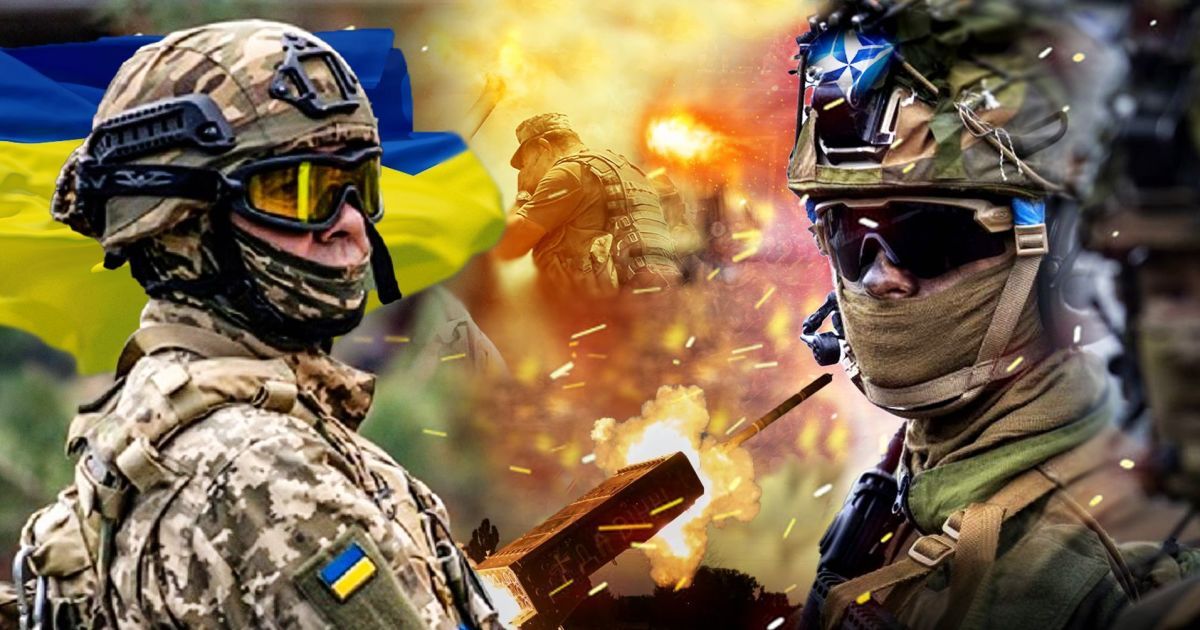
The recent announcement by
Croatia and Romania that their troops will not be deployed to Ukraine’s territory after the ceasefire
has sparked widespread reaction in European political and analytical circles.
Against the backdrop of ongoing security threats in the region and years of
Ukrainian resistance, this decision appears not only cautious but highly
questionable from the standpoint of strategic responsibility.
Official
representatives of Croatia and Romania justify their decision by citing the
“peaceful phase” and a desire not to escalate the conflict. Croatian Prime Minister
Andrej Plenković emphasized that his country “will not participate in
multinational forces on Ukrainian territory”, while Romanian President Nikushor
Dan confirmed that this position remains unchanged.
However,
this argument raises doubts. On one hand, a ceasefire is undoubtedly a positive
step. On the other hand, the reality on Ukraine’s borders remains extremely
tense. Russian aggression and attempts to redraw borders have not disappeared with the
signing of the ceasefire declaration, but have merely shifted
into a “frozen conflict” phase, where the risk of renewed escalation remains
high.
Refusing
to deploy troops not only reduces Ukraine’s potential military support but also
sends a dangerous signal to
neighbors and allies: Europe, which proclaims solidarity with
Kyiv, is not ready to back its words with action.
 Zelensky, Macron, and Starmer Sign
Document on Deploying Troops to Ukraine After Ceasefire
Zelensky, Macron, and Starmer Sign
Document on Deploying Troops to Ukraine After Ceasefire
The “coalition of the willing” was initially created as a tool to strengthen Ukraine’s defense
capacity through joint exercises, logistics, and combat support.
Croatia and Romania’s decision calls the effectiveness of this format into question,
since real action on the ground matters far more than formal declarations.
In
practice, this creates a paradox for the international coalition: the declared
readiness to defend democratic values clashes with the practical refusal to support them where it is most
needed. While other states are sending troops, providing
training, and supplying weapons, the positions of Croatia and Romania appear as a step backward at a
moment of critical regional vulnerability.
The
refusal to actively support Ukraine militarily also has a moral dimension.
European countries, especially Ukraine’s neighbors, are on the front line of values: freedom,
sovereignty, and international law. In conditions where
Ukrainian soldiers risk their lives every day, a passive stance by neighboring
countries not only demoralizes allies but
also reinforces the aggressor’s sense of impunity.
Croatia
and Romania’s decision to refuse deploying troops to Ukraine signals that there
are still countries in Europe willing to shy away from real responsibility for
the continent’s security. Symbolic support and logistical assistance are
undoubtedly useful, but they cannot replace decisive actions that truly shift
the balance of power. In a world where borders and international law are under
test, refusing to act on the side of justice is already an act against it. If
Europe does not want to repeat the mistakes of the past, it is high time to
reassess its approach to supporting Ukraine, lest the price of this passivity
be paid later – not in diplomatic conferences, but on the battlefield.


 Latest news
Latest news
Latest newsGeorgia’s Constitutional Court Continues Case on Banning Opposition Parties: Political Pluralism at Stake
12.Oct.2026
Azerbaijan and Iran Step Up Security Contacts Amid Hijab Protests
12.Oct.2026
Personnel Shortages Complicate Ukrainian Forces’ Rotation: Ukraine Faces Long-Term Challenges on the Front Line
11.Oct.2026
Trump Eases Sanctions on Russian Fuel After Talks with Putin: Kyiv Fears Boost to Moscow’s War Revenues
10.Oct.2026
Putin Seeks to Strengthen Russia’s Influence in the Post-Soviet Space Through the CIS
10.Oct.2026
Russia and the South Caucasus: External Pressure, Political Competition and a Crisis of Trust
10.Oct.2026
Peaceful Settlement Between Armenia and Azerbaijan: Moving from Declarations to Implementation
10.Oct.2026
Moldova Ready to Accept as Many Ukrainians as Necessary if Situation Worsens This Winter
09.Oct.2026
Turkmenistan Turns Avaza into a Regional Diplomatic Hub as Caspian, Central Asian and CIS Agendas Converge
08.Oct.2026
Romania Scrambles Spanish F-18s After Aerial Targets Detected Near Ukrainian Border
07.Oct.2026
Berlin Deepens Defence Partnership with Kyiv: Germany to Provide Ukraine with €1 Billion in Military Aid
07.Oct.2026
European Parliament Against Georgian Dream: EU Prepares New Response to Tbilisi
06.Oct.2026
Bulgarian Foreign Minister to Discuss European Security and International Law in the Netherlands
05.Oct.2026
Rheinmetall in Bulgaria: Sofia Emerges as a New NATO Defence-Industrial Hub in the Balkans
05.Oct.2026
The Cost of a Long War: Moscow Expands Spending Plans Through 2029
05.Oct.2026