
 13 Oct 2026









Georgia Hopes for a Review of Venezuela’s Recognition of Abkhazia and South Ossetia Amid Ongoing Crisis
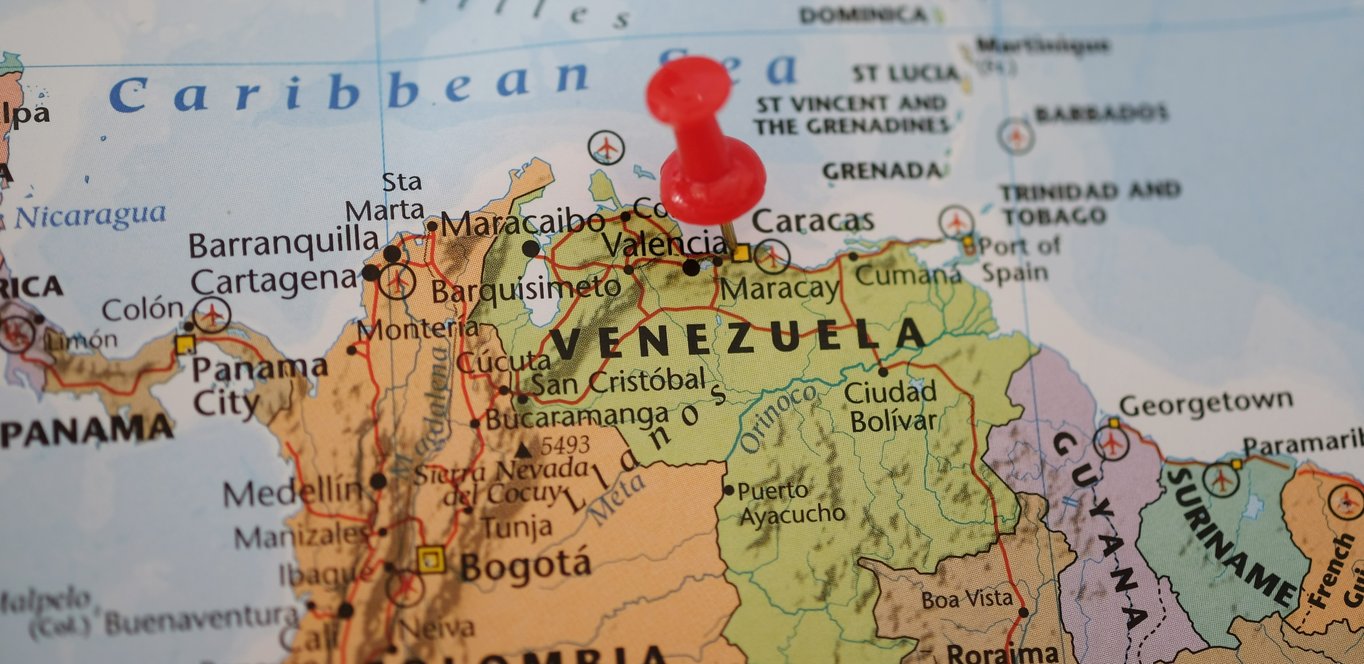
The Ministry of Foreign Affairs of Georgia has officially responded to recent developments in Venezuela, where major political and military events have taken place in recent days. Tbilisi expressed hope that Venezuela may revoke its recognition of the independence of Abkhazia and South Ossetia – two regions of Georgia that are under the de facto control of Russia and regarded by Tbilisi as occupied territories.
It should be noted that Abkhazia and South Ossetia are Georgian territories occupied by Russia following the 2008 war and are recognized as part of Russia or as independent state entities by only a handful of countries (Russia, Venezuela, Syria, Nauru, and Nicaragua). Venezuela recognized the independence of Abkhazia and South Ossetia in 2009 under President Hugo Chávez. Since then, Caracas has been regarded as one of the few states officially supporting the status of these territories as independent.

Georgia, however, considers such recognition to be an illegal violation of international law that undermines its territorial integrity. In its statement, the Georgian Foreign Ministry emphasized that Venezuela’s decision should be revoked in accordance with the principles of international law and Georgia’s national interests.
The Georgian Foreign Ministry stated that it is closely monitoring developments in Venezuela and views them “in the interests of the Venezuelan people”. This statement was made amid a major escalation: on January 3, 2026, U.S. forces carried out airstrikes on targets in Caracas and detained President Nicolas Maduro, leading to political instability in the country. Georgia hopes that a change in the political situation in Venezuela – triggered by internal crises and external intervention – may result in a revision of the foreign policy decisions of the previous government.
International law does not permit the secession of these regions without Georgia’s consent, and the Foreign Ministry’s response represents an attempt to increase international pressure on the few states that have recognized their independence. This is part of Tbilisi’s long-standing diplomatic campaign to defend Georgia’s territorial integrity.
The de facto authorities of Abkhazia and South Ossetia have already reacted to the situation in Venezuela, describing U.S. actions as aggression and expressing solidarity with Caracas. This response demonstrates that these entities remain oriented toward support from Russia and its allies.
Tbilisi accuses Moscow of occupying its territories and interfering in its internal affairs, while recognition of these regions by third countries is viewed as a means of expanding Russia’s influence on the international stage. For Georgia, every step taken by a country that recognizes the independence of Abkhazia or South Ossetia reinforces the fragile status of its territorial integrity in global politics. If Venezuela were indeed to change its position, it would send a strong signal to the international community about the possibility of revisiting such recognitions and renewing diplomatic efforts to restore control over the occupied territories.


 Latest news
Latest news
Latest newsGeorgia’s Constitutional Court Continues Case on Banning Opposition Parties: Political Pluralism at Stake
12.Oct.2026
Azerbaijan and Iran Step Up Security Contacts Amid Hijab Protests
12.Oct.2026
Personnel Shortages Complicate Ukrainian Forces’ Rotation: Ukraine Faces Long-Term Challenges on the Front Line
11.Oct.2026
Trump Eases Sanctions on Russian Fuel After Talks with Putin: Kyiv Fears Boost to Moscow’s War Revenues
10.Oct.2026
Putin Seeks to Strengthen Russia’s Influence in the Post-Soviet Space Through the CIS
10.Oct.2026
Russia and the South Caucasus: External Pressure, Political Competition and a Crisis of Trust
10.Oct.2026
Peaceful Settlement Between Armenia and Azerbaijan: Moving from Declarations to Implementation
10.Oct.2026
Moldova Ready to Accept as Many Ukrainians as Necessary if Situation Worsens This Winter
09.Oct.2026
Turkmenistan Turns Avaza into a Regional Diplomatic Hub as Caspian, Central Asian and CIS Agendas Converge
08.Oct.2026
Romania Scrambles Spanish F-18s After Aerial Targets Detected Near Ukrainian Border
07.Oct.2026
Berlin Deepens Defence Partnership with Kyiv: Germany to Provide Ukraine with €1 Billion in Military Aid
07.Oct.2026
European Parliament Against Georgian Dream: EU Prepares New Response to Tbilisi
06.Oct.2026
Bulgarian Foreign Minister to Discuss European Security and International Law in the Netherlands
05.Oct.2026
Rheinmetall in Bulgaria: Sofia Emerges as a New NATO Defence-Industrial Hub in the Balkans
05.Oct.2026
The Cost of a Long War: Moscow Expands Spending Plans Through 2029
05.Oct.2026