
 22 Nov 2026









EU Allocates Up to €50 Million to Establish Joint Black Sea Maritime Security Centre
The European Union is
accelerating the development of a regional maritime surveillance and
information-sharing system amid attacks by unmanned systems on commercial
vessels. Romania and Bulgaria are expected to jointly coordinate the work of
the new centre, which is scheduled to become operational in 2027. In parallel,
NATO intends to strengthen surveillance along the alliance’s eastern flank
through the use of maritime patrol aircraft, radar systems and unmanned aerial
vehicles.
The European Commission
intends to allocate up to €50 million to accelerate the establishment of a
joint Black Sea Maritime
Security Hub, to be coordinated by Romania and Bulgaria.
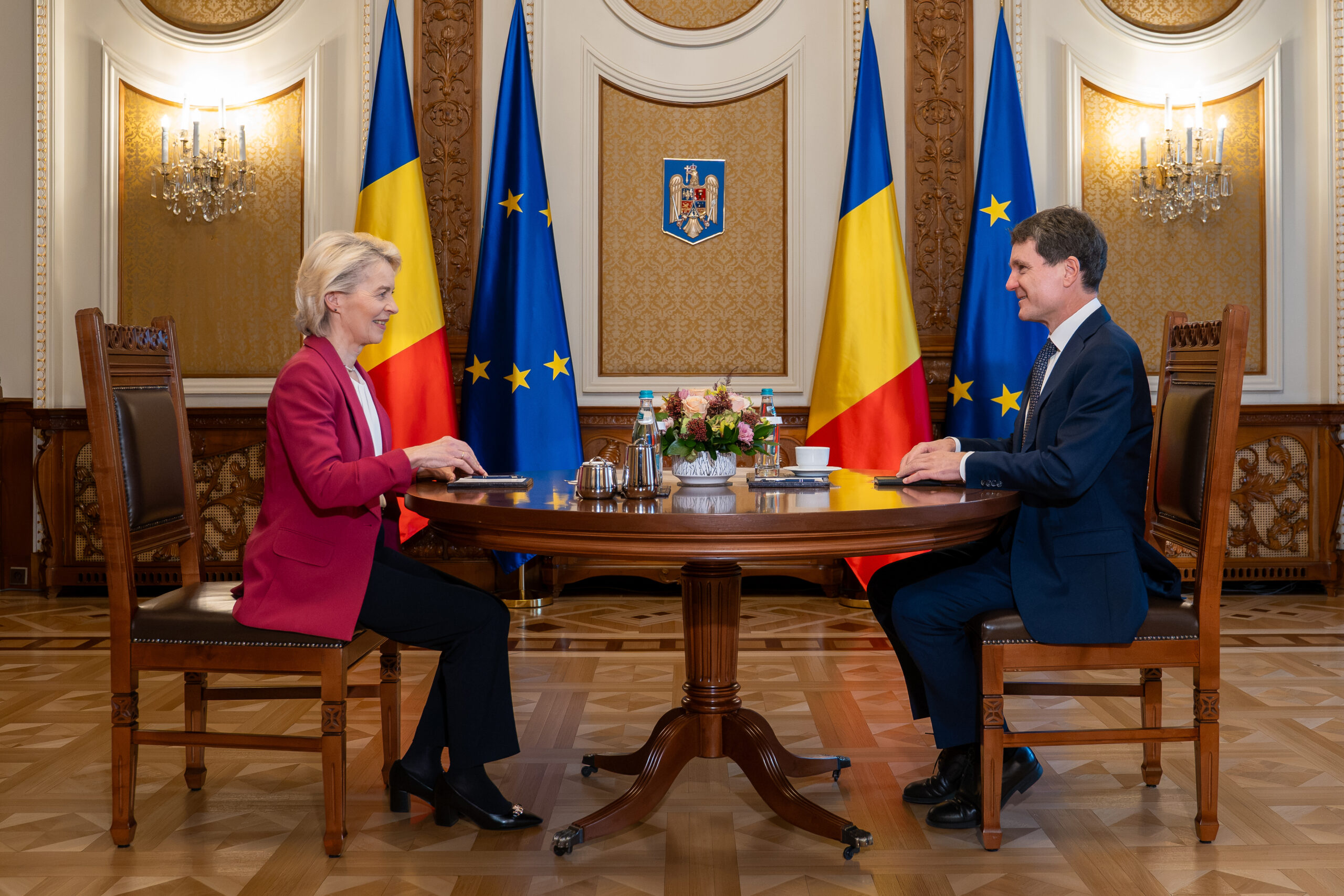
European Commission President Ursula von der Leyen announced this on 9–10
November during visits to Bucharest and Varna. According to her, the parties
agreed to speed up preparations for the project, establish a concrete
implementation timeline and ensure the centre is launched as soon as possible.
The decision comes amid a
series of attacks by unmanned maritime systems on commercial vessels in the
Black Sea. According to CCBS, at least nine cargo ships were hit in October
near the coasts of Romania and Bulgaria. Several seafarers were killed in the
incidents, while others remain missing. These developments have heightened
European concerns that military operations in the Black Sea are increasing
risks to civilian shipping, including in the immediate vicinity of NATO member
states.

The new centre is expected to
serve as a platform for coordinating the activities of relevant agencies in the
two countries, exchanging operational information and improving maritime
situational awareness. Its main tasks will include enhancing maritime
surveillance, conducting joint threat assessments, protecting critical
infrastructure and ensuring the security of commercial shipping routes. The
European Commission has stated that a joint working group will be established
to develop an integrated concept and implementation plan. Brussels aims to make
the centre operational in 2027, although an exact opening date has not yet been
determined.
Additional measures are
intended to strengthen national emergency response capabilities. The European
Commission has also announced an allocation of €10 million each to Romania and
Bulgaria for search-and-rescue operations in the Black Sea. These funds are
intended to improve the effectiveness of responses to incidents involving
civilian vessels and are separate from the funding allocated to the joint
maritime security centre.
At the same time, NATO plans
to strengthen surveillance along the alliance’s eastern flank in the Black Sea
region. According to Reuters, the measures under consideration include the
deployment of maritime patrol aircraft, radar systems and unmanned aerial vehicles.
Bulgaria had previously appealed to the alliance for additional support,
including the deployment of combat aircraft and counter-drone capabilities.
The question of responsibility
for attacks on civilian vessels remains politically sensitive. Bucharest has
reported systematic Russian strikes against civilian shipping but has stressed
the need for evidence to establish responsibility for each individual incident.
Sofia has also highlighted the seriousness of the threats but has not directly
attributed specific attacks to Moscow. Russia denies involvement in these
incidents.
Strengthening maritime
security is particularly important for the Black Sea as a transport and energy
hub connecting European markets with the Caucasus, Central Asia and other regions.
Disruptions to freedom of navigation pose risks not only to the port
infrastructure of Romania and Bulgaria but also to energy and food supplies and
the operation of international logistics routes.


 Latest news
Europe Prepares a Military Mission for Ukraine: 2800 Troops Rehearse Post-War Deployment Scenarios
22.Nov.2026
Russian Missiles and a Drone Fall on Polish Territory: NATO Faces New Threats on Its Eastern Flank
21.Nov.2026
Russia Strikes Kyiv Bridges Following Ukraine’s Attack on the Crimean Bridge: Transport Infrastructure Becomes a New Front in the Escalation
20.Nov.2026
The "Coalition of the Willing" Discusses Security Guarantees and Continued Support for Kyiv
19.Nov.2026
Tanker Sinks off Bulgaria After Being Hit Four Times: All 19 Crew Members Rescued
18.Nov.2026
Europe Accelerates Defence Integration: EU Identifies 8 Priorities for Joint Weapons Development
17.Nov.2026
Bulgaria and North Macedonia Plan to Begin Construction of New Border Crossing in October 2027
17.Nov.2026
Central Asia Accelerates Digitalisation of the Trans-Caspian Transport Corridor
16.Nov.2026
Bulgaria, Romania and Turkiye Deploy Naval Assets in BETUL 8 Rescue Operation
16.Nov.2026
Armenia Becomes the EU’s Leading Partner in the South Caucasus: Georgia Loses Influence in Europe’s Regional Strategy
15.Nov.2026
Ukraine Expands Its Campaign Against Russia’s Strategic Infrastructure
15.Nov.2026
Defence Partnerships without a Common Strategy? Turkiye Expands Military Ties with Qatar, Saudi Arabia and Pakistan
14.Nov.2026
Kobakhidze Says Georgia is Ready to Restore Political Dialogue with the European Union
14.Nov.2026
European Leaders Warn of Growing Russian Pressure on Armenia and Pledge Support to Yerevan
14.Nov.2026
Beyond Washington and Moscow: Europe Seeks a Seat at the Ukraine Negotiating Table
13.Nov.2026